'A**, Feet, Jawline': Trump's Pitch For US Midterms Is Republicans' Beauty
Source Entity
NDTV News Search Records Found 1000
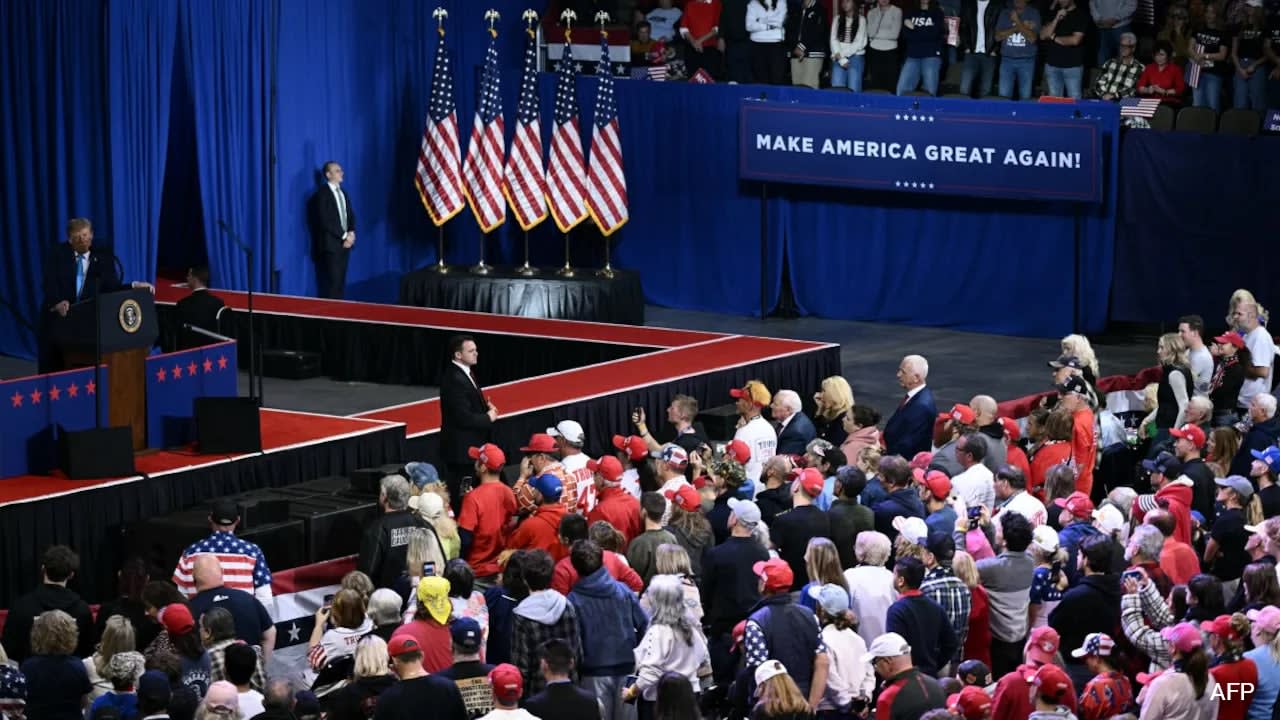
Donald Trump has adopted an unconventional campaign strategy for the US midterm elections by publicly evaluating the physical appearance of Republican candidates. This aesthetic-focused messaging draws on his past experience in entertainment and pageantry to rally voter support.
The Aesthetic Pivot: Trump’s Unconventional Campaign Strategy
As the United States approaches critical midterm elections, former President Donald Trump has introduced a unique and highly unconventional rhetorical strategy: the public appraisal of his candidates' physical appearance. During recent campaign stops, including a notable rally in Kentucky, Trump has shifted the focus from traditional policy debates to the aesthetics of those running under the Republican banner. By highlighting the physical attributes of figures like US House candidate Ed Gallrein and Senator Jon Husted, Trump is attempting to cultivate a specific brand image for his endorsed politicians.
Roots in Entertainment and Pageantry
This focus on physical appearance is not entirely disconnected from Trump’s long-standing professional history. Before his tenure in the White House, Trump was deeply embedded in the entertainment industry, most notably as the co-owner of the Miss Universe beauty pageant between 1996 and 2015. His experience in the world of beauty competitions, coupled with his role as the host of the reality television show The Apprentice, provided him with a unique perspective on how visual presentation and charisma can influence public perception. By applying these "aesthetics barometers" to political candidates, he is essentially treating the midterm campaign trail as a televised production where "looking the part" is framed as an asset.
Rebranding the Political Candidate
Trump’s commentary, which includes unconventional remarks about a candidate’s fitness or physical features, serves a dual purpose in his current political strategy. Firstly, it creates a viral moment, ensuring that media coverage focuses on his rallies and specific interactions rather than just the underlying policy platforms. Secondly, it creates a personal, almost familial bond between the former President and his chosen candidates, framing them as "beautiful" representatives of the movement he leads. This branding exercise aims to simplify the complex nature of midterm politics into a narrative of strength and visual appeal.
Broader Implications for Midterm Dynamics
While critics may dismiss these comments as eccentric, they represent a deliberate departure from the standardized, polished rhetoric typical of traditional political campaigns. By centering the conversation on personal aesthetics, Trump is effectively bypassing traditional media filters and appealing directly to his base's preference for authentic, often unfiltered, communication. This strategy highlights the evolving nature of political discourse in the digital age, where personality-driven narratives often eclipse substantive policy discussions in the public consciousness.
Future Trends in Political Communication
Looking forward, this tactic underscores a broader trend where political figures increasingly rely on their personal "brand" to drive voter turnout. If this "beauty pageant" approach proves successful in securing electoral victories for his endorsed candidates, it may encourage other political figures to adopt similar methods of endorsement—prioritizing charisma, visual strength, and unconventional personal anecdotes over traditional political endorsements. Ultimately, Trump’s focus on the physical appearance of his candidates is a calculated effort to redefine the image of the Republican party, ensuring it remains as much a cultural phenomenon as it is a political force.
Verification Required?