Trump posts AI images showing Markwayne Mullin in tears, recalls his son Jim's brain injury
Source Entity
Latest News: Todays Latest News Headlines from India & World | Hindustan Times
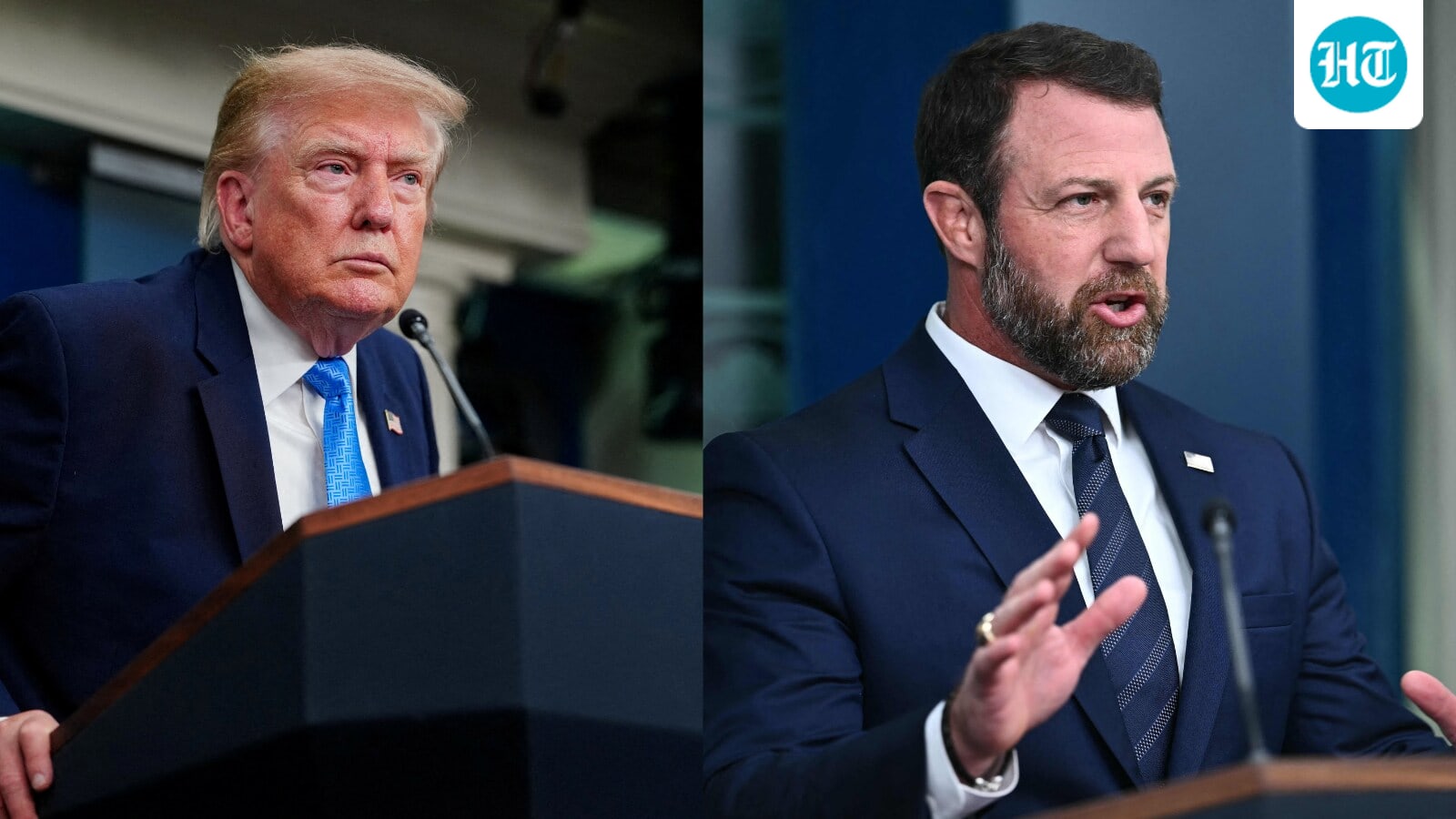
President Donald Trump used Truth Social to share AI-generated images and a personal account regarding DHS Secretary Markwayne Mullin and his son Jim's recovery from a brain injury. The post highlights Trump’s past involvement in facilitating the young man's medical rehabilitation and care.
A Personal Narrative Shared Through Digital Media
President Donald Trump recently utilized his Truth Social platform to share a deeply personal account concerning Department of Homeland Security (DHS) Secretary Markwayne Mullin and his son, Jim. The communication, which included the use of AI-generated imagery, serves as both a public acknowledgment of the Secretary’s personal history and a testament to the long-standing relationship between the two men. By sharing these visuals, Trump has bridged the gap between traditional political communication and modern, synthetic media, framing a private moment of struggle and recovery within a public narrative.
The Context of Recovery and Support
The narrative centers on Jim Mullin, who was described as a world-class athlete and wrestler prior to suffering a severe brain injury that fundamentally altered his life. Trump’s account details his direct involvement in Jim’s recovery process, specifically noting that he provided his private aircraft to transport the young man to a specialized rehabilitation facility in California. This level of personal intervention underscores the depth of the professional and personal bond between the President and his DHS Secretary, highlighting a collaborative effort to overcome a medical crisis that threatened the family's stability.
Psychological Impact and Emotional Resonance
Central to the post is the emotional toll this experience has taken on Secretary Mullin. The President recounted a specific hearing where Mullin was overcome with emotion, appearing in tears before the chamber. This moment of vulnerability serves to humanize the high-ranking official, shifting the public focus from the rigorous demands of his role in Homeland Security to the underlying human experiences that shape his character. The use of AI images to depict this emotional scene suggests a desire to visually represent a sentiment that transcends the limitations of traditional photography.
The Role of Consistent Engagement
Trump’s post emphasizes the importance of consistent emotional support, noting that he called Jim every day for two weeks, even while maintaining a grueling campaign schedule. This detail is intended to illustrate the President’s personal investment in the well-being of his subordinates and their families. By recounting the moment he sat with Jim and told him, “Do you know why I love your dad? Because he loves you,” Trump reinforces the theme of loyalty and familial devotion as core pillars of his political and interpersonal framework.
Implications of AI in Political Communication
The incorporation of AI-generated images in this context marks a significant evolution in how political figures share their personal histories. By using synthetic media to reconstruct or illustrate private events, political actors can create a visual shorthand for emotional narratives that might otherwise be difficult to document. While this approach offers a new medium for storytelling, it also highlights the increasing normalization of AI imagery in political discourse, where the line between historical documentation and illustrative representation continues to blur.
Concluding Summary
In summary, the narrative shared by President Trump provides a rare glimpse into the intersection of high-stakes government service and personal family adversity. By highlighting the medical journey of Jim Mullin and the supportive role he played, the President has sought to strengthen the public perception of his relationship with Secretary Markwayne Mullin. This account remains a significant example of how political leaders are leveraging new technology to frame their personal experiences and political alliances for a contemporary audience.
Verification Required?