Trump says Netanyahu won’t be arrested in US as Mamdani weighs legal options
Source Entity
The Indian Express
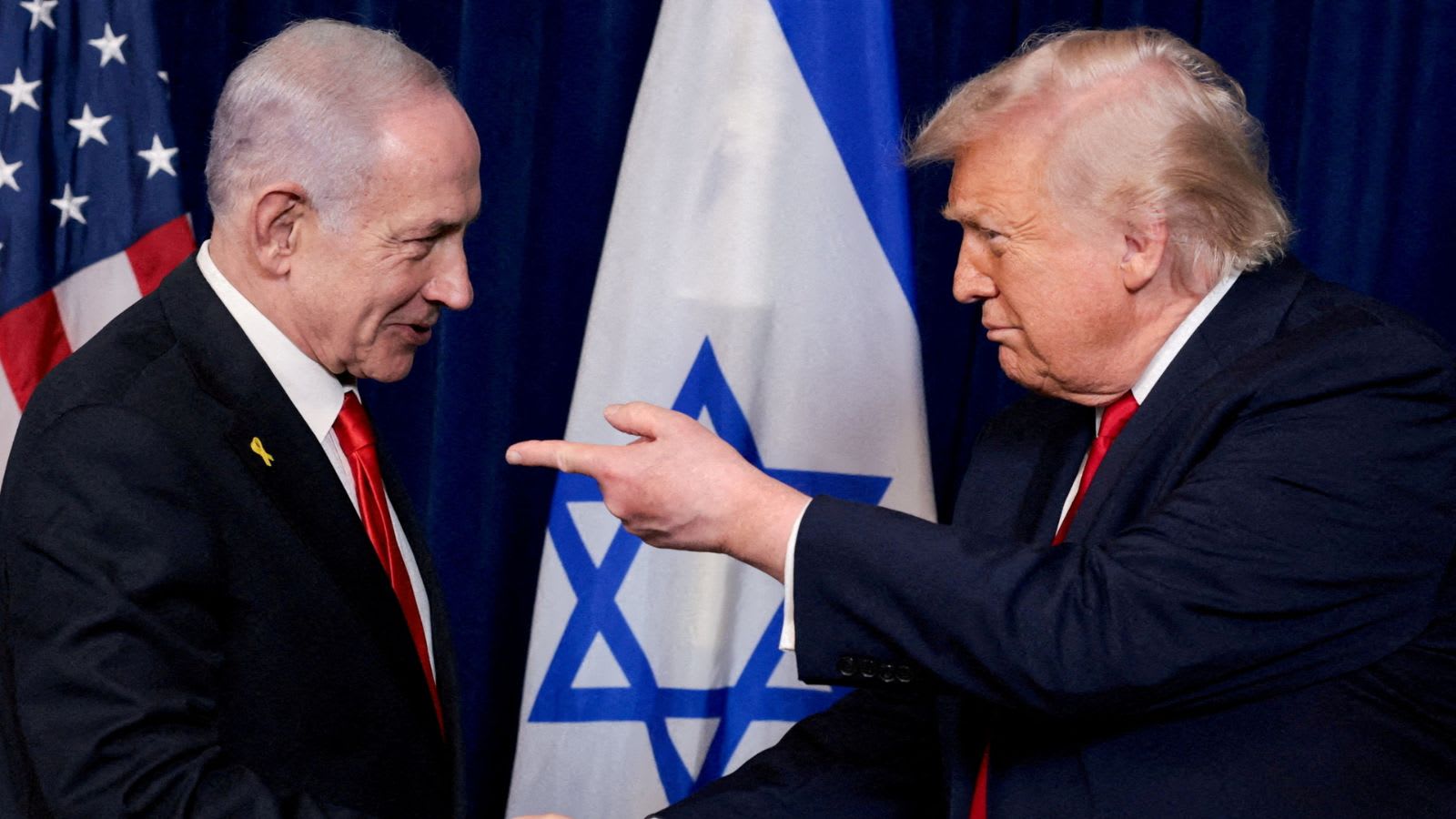
President Donald Trump has declared that Israeli Prime Minister Benjamin Netanyahu will face no arrest during his upcoming US visit. This statement directly refutes New York City Mayor Zohran Mamdani, who had indicated his legal team was exploring options regarding the ICC warrant against the Prime Minister.
The Diplomatic Standoff Over Netanyahu's US Visit
Recent statements by U.S. President Donald Trump have ignited a sharp political debate regarding the legal status of Israeli Prime Minister Benjamin Netanyahu during his upcoming visit to New York for the United Nations General Assembly. The core of this conflict lies in the International Criminal Court’s (ICC) issuance of an arrest warrant for the Prime Minister, a move that has prompted varied responses from U.S. political figures, most notably New York City Mayor Zohran Mamdani.
The Mayor's Legal Inquiries
Mayor Zohran Mamdani has publicly stated that he believes Prime Minister Netanyahu belongs in The Hague, citing the Prime Minister’s actions in Gaza as the basis for his stance. Mamdani revealed that he had tasked New York City’s legal department with investigating the extent of the city’s authority to act upon the ICC warrant during a potential visit. This move represents a significant intersection of local municipal governance and international legal mandates, highlighting the tension between domestic policy and international judicial oversight.
The Presidential Intervention
President Donald Trump responded to these developments with a definitive declaration on Truth Social, asserting that the Prime Minister "will not be arrested, in any way, shape, or form, while in the United States of America." By framing the protection of the Israeli leader as a matter of national interest—explicitly citing Netanyahu's cooperation in the conflict against Iran—Trump has effectively signaled that federal authority will supersede any local efforts to enforce the ICC warrant.
Federal vs. Municipal Authority
The friction between Mayor Mamdani’s office and the White House underscores a broader constitutional question regarding the limits of local power in the realm of foreign policy. While the Mayor seeks to align municipal actions with international human rights perspectives, the President maintains that the executive branch holds exclusive jurisdiction over diplomatic immunity and the treatment of foreign heads of state. This clash illustrates the complexities of enforcing international warrants within a federal system that prioritizes sovereign diplomatic relations.
Broader Implications for Global Diplomacy
This incident reflects the deepening polarization surrounding the conflict in Gaza. The discourse from both Mamdani and Trump highlights how international legal institutions are increasingly becoming focal points of domestic political battles. As the ICC continues to assert its mandate, the United States faces the ongoing challenge of balancing its commitment to international law with its strategic alliances, particularly with Israel. The resolution of this situation will likely set a precedent for how American cities navigate future visits from leaders facing international legal scrutiny.
Multiple Citing Sources