Trump Says Frozen Iranian Assets Will Pay For Damage To Shipping
Source Entity
NDTV News Search Records Found 1000
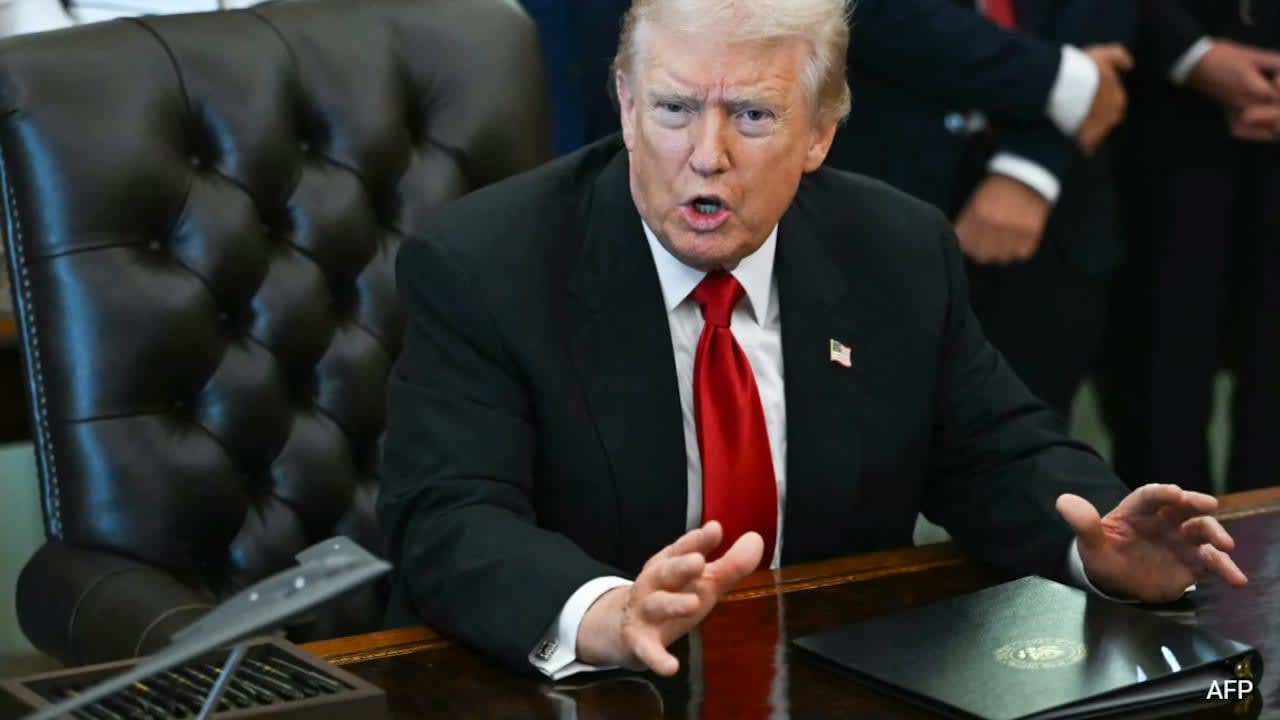
Former President Donald Trump has proposed utilizing frozen Iranian assets to compensate for maritime damages. This policy shift highlights an aggressive approach to international sanctions and asset seizure.
The Strategic Pivot on Frozen Iranian Assets
Former President Donald Trump has recently articulated a significant shift in U.S. foreign policy rhetoric, stating that the United States should utilize frozen Iranian assets to provide compensation for shipping vessels and cargo that have sustained damage. This proposal marks a notable escalation in how the U.S. government views the utility of sequestered foreign capital, moving beyond simple economic pressure toward a model of direct restitution for maritime losses.
Historical Context of Sanctions and Asset Seizure
For decades, the United States has employed the freezing of foreign assets as a primary tool of economic statecraft, particularly regarding Iran. Following the 1979 hostage crisis and subsequent tensions over nuclear proliferation, billions of dollars in Iranian government property and bank accounts were locked within the U.S. financial system. Historically, these funds have served as leverage in diplomatic negotiations. Trump’s new proposal suggests a departure from using these assets purely as a bargaining chip, signaling a move toward treating them as a pool of available funds for indemnifying American interests.
Economic and Legal Implications
Using frozen assets to pay for commercial or military damages introduces complex legal challenges under both domestic and international law. The concept of sovereign immunity generally protects the assets of foreign nations from being seized for private civil judgments or government-directed compensation. By proposing this action, the former president is essentially advocating for a reinterpretation of the 'Foreign Sovereign Immunities Act' to prioritize the protection of shipping lanes and the economic interests of maritime stakeholders over traditional diplomatic norms.
The Future of Maritime Security
This policy approach reflects broader concerns regarding the security of international shipping lanes in the Middle East, particularly in the Strait of Hormuz and the Red Sea. If implemented, such a policy would likely set a precedent for how global powers handle maritime disputes. Instead of relying solely on naval presence or diplomatic protests, the U.S. could effectively 'tax' the state-held assets of nations it deems responsible for regional instability to pay for the resulting physical and economic damages.
Geopolitical Risks and Escalation
Critics of this approach point to the high risk of retaliatory measures. If the U.S. moves forward with liquidating frozen Iranian assets, it may prompt Iran to intensify its efforts against Western-linked vessels, creating a cycle of escalation. Furthermore, other nations holding significant assets in the U.S. financial system may view this as a threat to their own capital security, potentially leading to a diversification away from the U.S. dollar and a weakening of the dollar's role as the global reserve currency.
Conclusion
In summary, the proposal to use frozen Iranian assets to cover shipping damages represents a bold and controversial expansion of economic warfare. While it aims to provide a direct mechanism for accountability regarding maritime losses, it also carries the potential to fundamentally alter international financial relations and increase the volatility of maritime security in the region. The feasibility of such a plan remains tied to the complex interplay between executive authority, judicial review, and the shifting landscape of global geopolitical power.
Verification Required?