Analysis: Trump's shock Russia deal highlights mounting pressure to curb fuel prices
Source Entity
BBC News
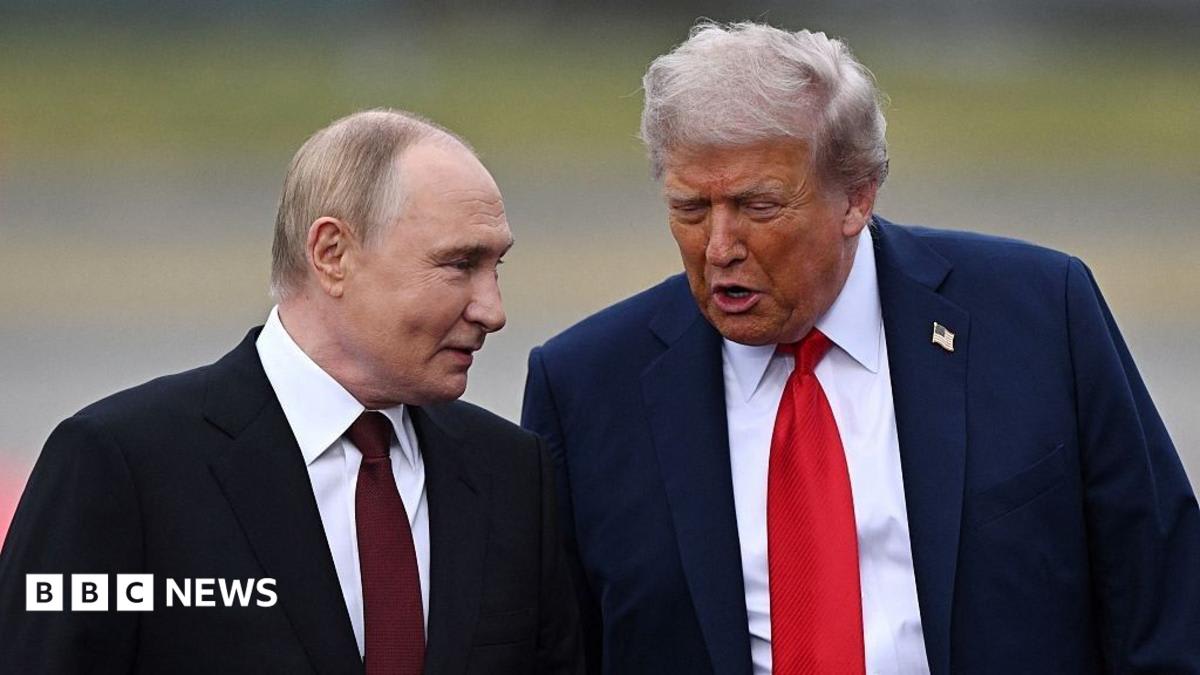
President Trump has announced a deal to import Russian diesel to lower domestic fuel prices, accompanied by a temporary suspension of related US sanctions. The decision marks a significant shift in energy policy, drawing criticism from Ukraine and raising questions about the future of international sanctions against Moscow.
The Strategic Pivot: Trump’s Diesel Deal with Russia
In an unexpected shift in geopolitical and energy strategy, President Donald Trump announced on October 9 that the United States has secured an agreement with Russia to import significant quantities of diesel. This move, intended to stabilize and reduce fuel prices for American consumers, involves the immediate supply of 300,000 tonnes of diesel, with plans for 500,000 tonnes in November and 1 million tonnes shortly thereafter. To facilitate this, the administration has enacted a temporary pause on existing sanctions that were originally designed to restrict the flow of revenue to the Russian state amidst the ongoing war in Ukraine.
The Sanctions Paradox and Diplomatic Implications
The decision to lift sanctions on Russian fuel until April 2027 represents a striking reversal of long-standing US policy. For months, the American administration has exerted significant pressure on international partners, including India, to minimize their energy reliance on Russia to deny Moscow the capital necessary to sustain its military operations. By directly engaging in these transactions, the US has created a complex diplomatic dilemma, prompting swift criticism from Ukrainian President Volodymyr Zelenskyy, particularly as the announcement coincided with a visit by a Ukrainian delegation to Washington to discuss conflict resolution strategies.
Economic Volatility and Market Reaction
While the immediate market reaction saw a decline in diesel prices, the long-term economic impact remains a subject of intense debate among energy analysts. The influx of Russian supply is intended to alleviate domestic inflationary pressures; however, experts cited by Reuters suggest that this intervention may not be sufficient to maintain lower prices indefinitely. Global energy markets remain highly sensitive to supply-chain disruptions and geopolitical instability, and the reliance on Russian exports introduces new variables into an already volatile price environment.
Domestic Political Context
The timing of this policy shift is politically charged, occurring less than four weeks before the critical November 3 congressional elections. By prioritizing the immediate reduction of fuel costs for the American public, the administration is likely aiming to mitigate voter dissatisfaction regarding inflation. However, this strategy carries significant political risk, as it invites scrutiny regarding the consistency of the administration's foreign policy and its commitment to the economic isolation of the Russian Federation.
Future Trends and Geopolitical Outlook
Looking ahead, this deal signals a potential move toward a more pragmatic, if not controversial, approach to energy security that prioritizes domestic economic relief over existing multilateral sanctions frameworks. The move provides a degree of relief to countries like India, which had previously been pressured to curb Russian energy imports, by shifting the global narrative on the necessity of such restrictions. As the war in Ukraine continues, the sustainability of this arrangement will likely be tested by both domestic political pressures and the evolving international response to the conflict.
Multiple Citing Sources