‘Can’t seize by tweet’: Iran mocks Trump after ‘will claim Hormuz’ threat
Source Entity
The Indian Express
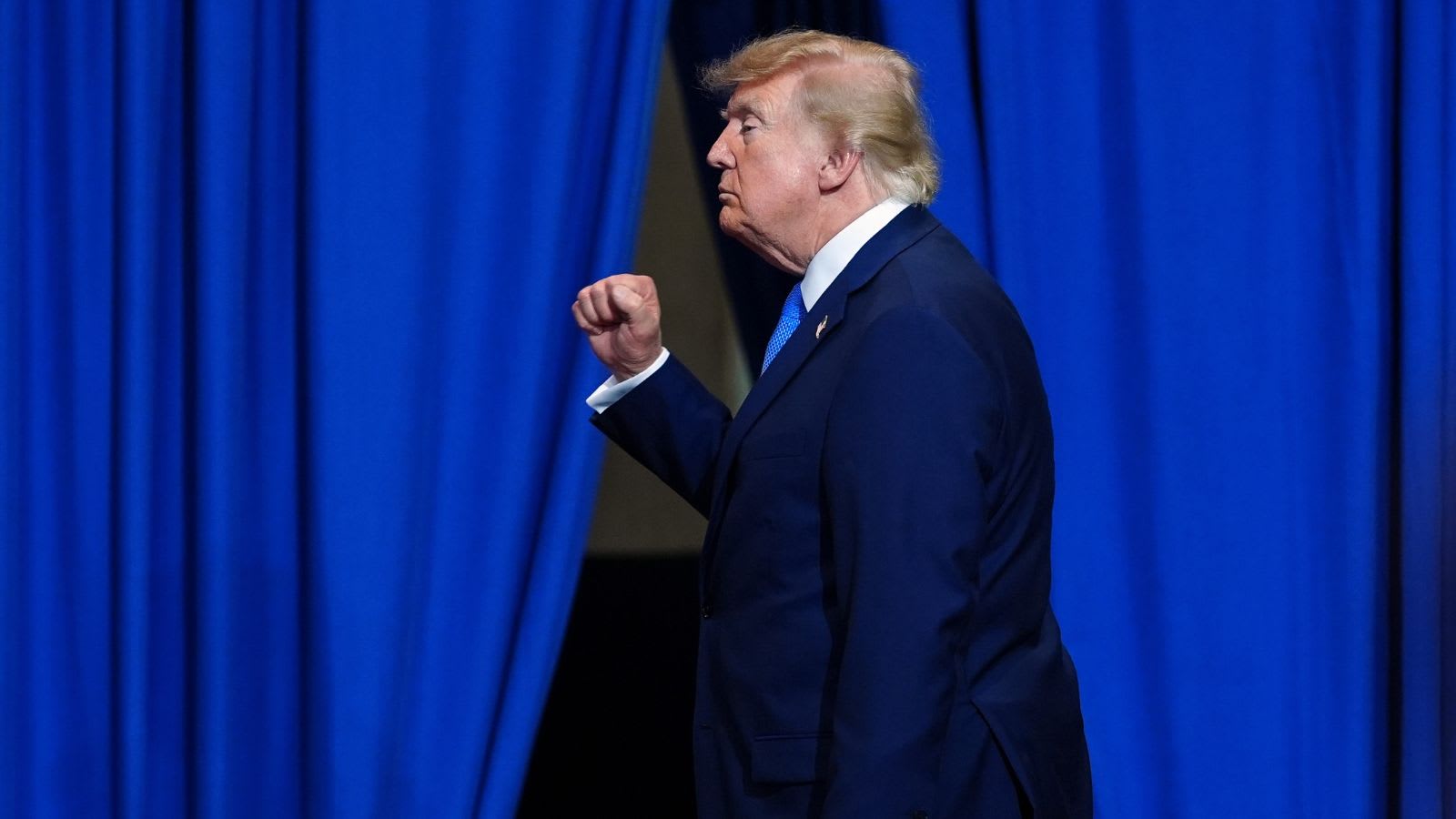
President Donald Trump has vowed to declare the Strait of Hormuz US territory following the ongoing military conflict with Iran. The waterway, critical for global energy supplies, has been effectively closed since February 28, prompting sharp opposition from Iranian officials.
The Geopolitical Shift in the Strait of Hormuz
President Donald Trump’s recent declaration regarding the Strait of Hormuz marks a significant escalation in the ongoing conflict between the United States, its allies, and Iran. By publicly stating his intention to designate this vital international waterway as United States territory, the President has signaled a departure from traditional maritime international law, framing the region as a central prize in the current military campaign. This rhetoric follows the commencement of a war against Iran on February 28, which has already resulted in the effective closure of this critical maritime chokepoint.
Strategic Importance and Economic Impact
The Strait of Hormuz is widely considered the world’s most important oil transit chokepoint, with approximately one-fifth of global oil and natural gas supplies passing through its narrow passage. Since the onset of the conflict, the closure of this route has created significant volatility in energy markets. By describing the American naval blockade as a “Wall of Steel” and claiming “total control” over the waters, the administration is leveraging energy security as a primary instrument of its wartime strategy, aiming to isolate Iran economically while asserting absolute regional dominance.
Military Context and the 'Wall of Steel'
The assertion that the Strait will become US territory is intrinsically linked to the recent, record-setting deployment of the US Navy to the region. President Trump has characterized these naval assets as insufficient, suggesting that the current military posture is only the beginning of a sustained presence. This militarization is designed to ensure that the ongoing blockade remains absolute, preventing any Iranian attempt to reclaim access to the sea lanes or influence the flow of international commerce.
Iranian Resistance and International Implications
Iran has responded to these claims with defiance, with Deputy Foreign Minister Kazem Gha dismissing the notion that sovereignty over such a crucial international waterway can be seized via political rhetoric or social media declarations. This diplomatic friction underscores the broader challenge of enforcing control over international waters. While the US administration views the Strait as a strategic asset to be secured through military victory, Iran views the move as an illegal encroachment on its regional geography and sovereign rights.
Future Trends and Regional Stability
Looking forward, the declaration of the Strait of Hormuz as US territory suggests a long-term shift toward a permanent American naval presence in the Persian Gulf. If the US succeeds in its stated goals of defeating Iranian forces, the international community will face a new reality where one of the most critical arteries of the global economy is under the direct administration of a single nation. This precedent could fundamentally alter international maritime law and trigger a long-term struggle over the legitimacy of such territorial claims in contested waters.
Conclusion
The situation remains highly fluid as the war continues to unfold. With the Strait of Hormuz effectively shut down since late February, the geopolitical landscape of the Middle East is undergoing a rapid, forced transformation. As the US moves to cement its control, the world continues to watch the economic and diplomatic fallout of a conflict that has moved beyond regional border disputes to encompass the very control of global energy corridors.
Multiple Citing Sources