Donald Trump says will declare Strait of Hormuz ‘US territory’, Iran hits back
Source Entity
Latest News: Todays Latest News Headlines from India & World | Hindustan Times | Hindustan Times
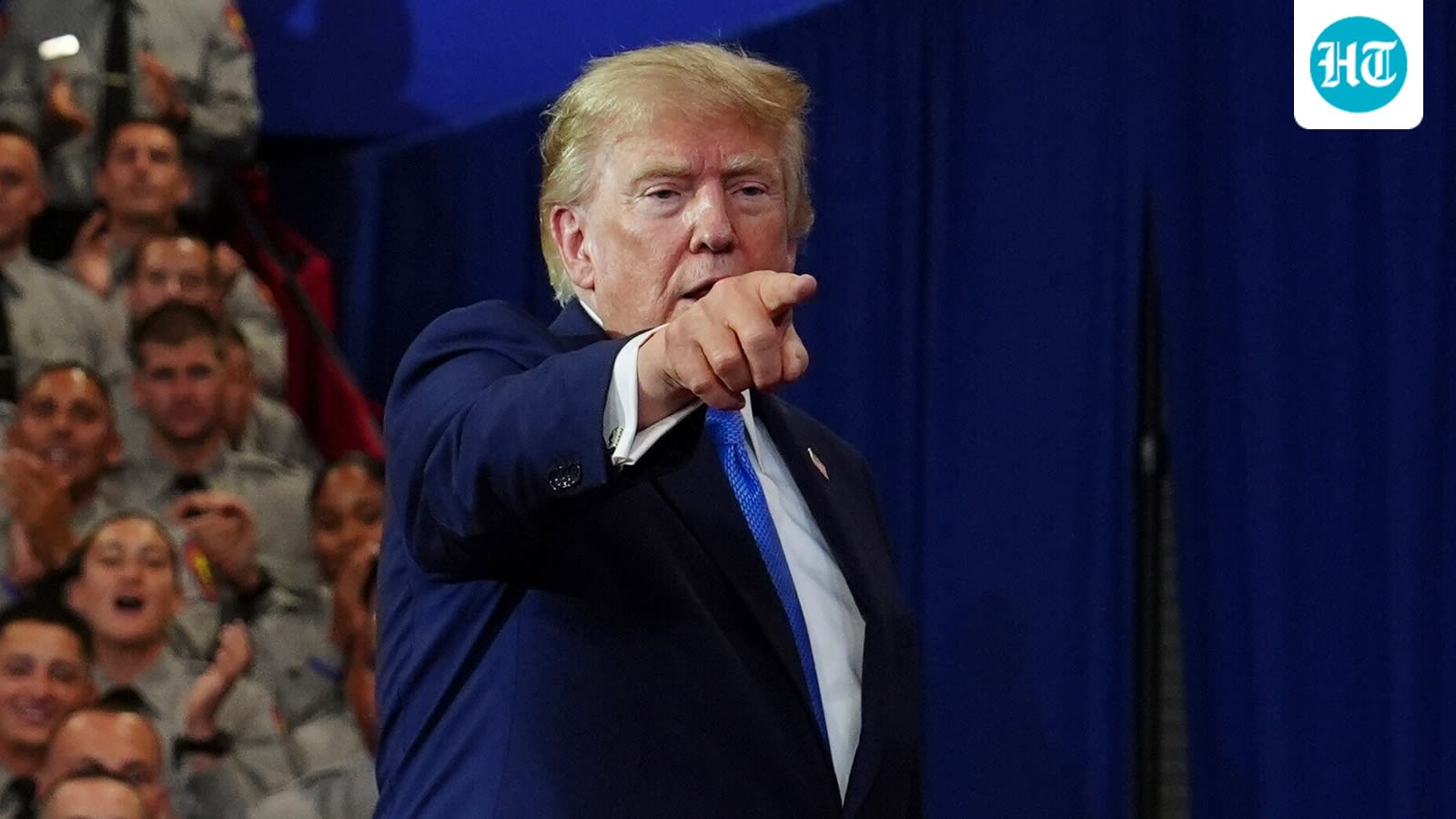
President Donald Trump has announced intentions to declare the Strait of Hormuz US territory following the ongoing conflict with Iran. Iran has formally rejected these claims, emphasizing that such geopolitical shifts cannot be achieved through unilateral declarations.
The Geopolitical Status of the Strait of Hormuz
Recent statements from President Donald Trump regarding the status of the Strait of Hormuz signal a radical shift in international maritime policy. Following the commencement of a war between the United States, Israel, and Iran on February 28, the strategic waterway has remained largely shut. President Trump has articulated a vision where, upon the conclusion of the current conflict, the Strait would be formally declared a territory of the United States. This declaration aims to solidify American control over a chokepoint that historically facilitates the transit of approximately one-fifth of the world’s oil and natural gas supplies.
Strategic Significance and the 'Wall of Steel'
The Strait of Hormuz is arguably the most critical maritime passage for global energy security. By describing the current naval blockade as a 'Wall of Steel,' the administration is framing the military presence as an absolute mechanism of total control. This rhetoric serves to reassure domestic audiences of the efficacy of the ongoing military operations while signaling to international markets that the flow of energy resources is now under direct American oversight, rather than governed by international maritime law or regional sovereignty.
The Iranian Response and Diplomatic Friction
Predictably, the Iranian government has hit back against these assertions. Iranian officials, including the deputy foreign minister, have dismissed the rhetoric, stating that control over such a vital international waterway cannot be seized 'by tweet' or unilateral decree. This friction highlights a deep divide between the US objective of total regional dominance and the Iranian assertion of sovereign rights. The diplomatic standoff underscores the difficulty of translating military success into long-term legal and territorial sovereignty in international waters.
Economic and Global Implications
The closure of the Strait since late February has already sent ripples through global energy markets. With a significant portion of global energy transit halted, the long-term occupation or annexation of the waterway would constitute a fundamental restructuring of global trade routes. If the United States proceeds with the declaration of the Strait as US territory, it would likely face significant pushback from the international community, including regional allies and global powers who rely on the freedom of navigation through these waters.
Future Trends and Regional Stability
Looking ahead, the situation remains volatile. The promise of an impending victory over Iran suggests that the administration is preparing for a post-war landscape where American naval power serves as the primary arbiter of regional geography. However, the international legal framework governing territorial waters will likely become the next battleground. Whether the US can sustain this claim hinges not only on current military momentum but also on the long-term diplomatic costs of challenging established norms of international maritime law.
Multiple Citing Sources
Verification Required?