World News Updates: Trump says will declare Hormuz US territory ‘pretty soon’; Iran hits back
Source Entity
The Indian Express
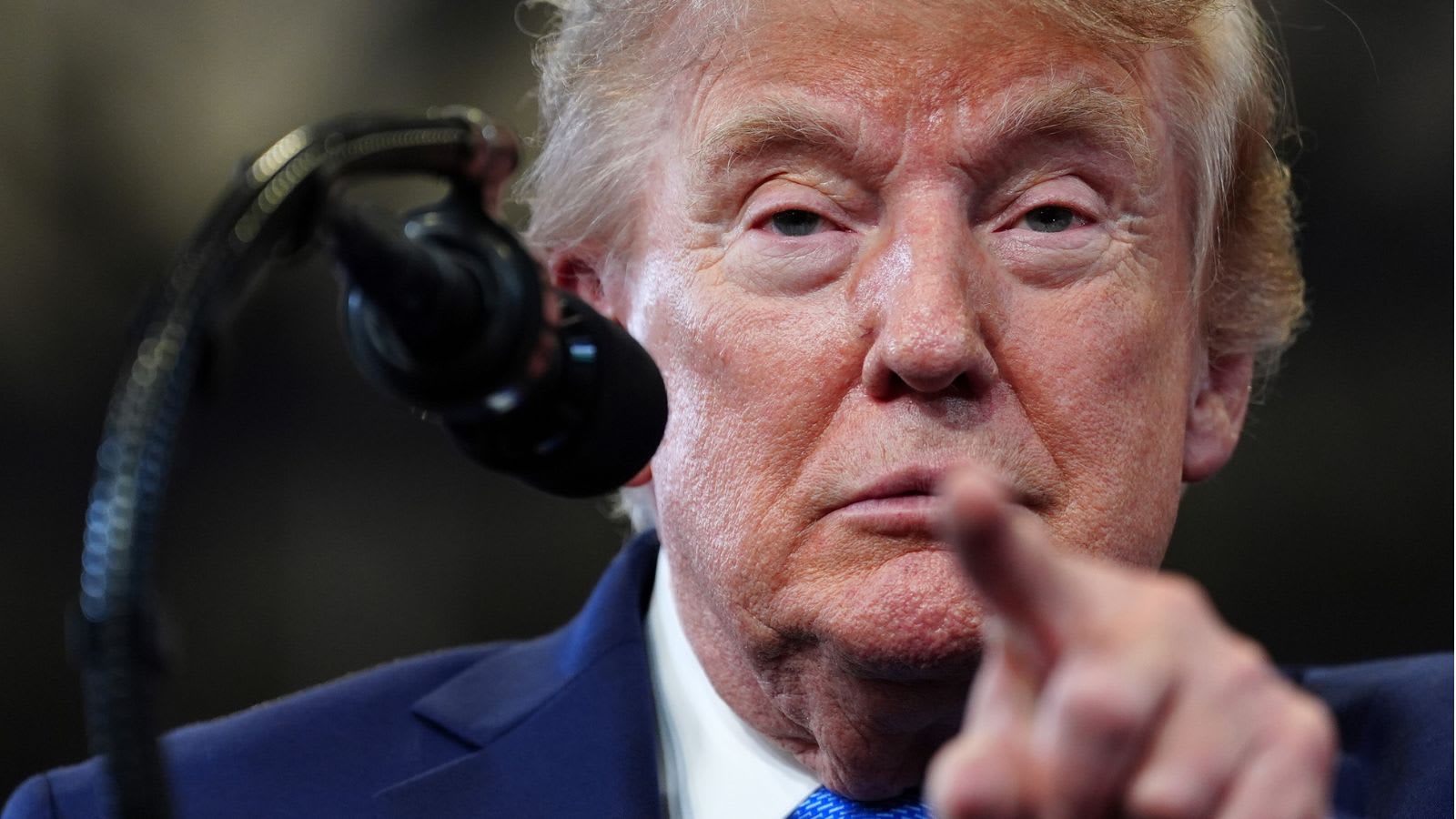
President Trump has announced plans to claim the Strait of Hormuz as U.S. territory following the ongoing conflict with Iran. Iran has firmly rejected the claim, while global markets react to the disruption of this critical energy chokepoint.
The Geopolitical Shift at the Strait of Hormuz
President Donald Trump’s recent declaration at a rally in Garden City, New York, marks a significant escalation in the ongoing conflict between the United States and Iran. By stating his intention to declare the Strait of Hormuz a territory of the United States following the conclusion of the war, the President has signaled a fundamental shift in how the U.S. intends to manage global energy transit routes. This rhetoric follows the February 28 initiation of a war involving the U.S. and Israel, which has seen the Strait largely shuttered to international shipping.
Strategic Importance and the 'Wall of Steel'
The Strait of Hormuz is not merely a geographic feature; it is the world’s most vital maritime oil chokepoint, through which approximately one-fifth of global oil and natural gas supplies transit. The U.S. military’s current blockade—described by the President as a 'Wall of Steel'—has effectively enforced a status quo of total control. By moving from a blockade to a territorial claim, the administration is signaling a long-term intention to exert direct sovereignty over these waters, fundamentally altering the maritime security architecture of the Persian Gulf.
Iran’s Diplomatic and Territorial Rebuttal
In response to these comments, Iranian deputy foreign minister Kazem Gharibabadi utilized social media to issue a sharp rebuttal, asserting that the Strait of Hormuz remains historically and legally Iranian. This exchange highlights the deepening divide between the two nations, as Iran views the U.S. naval presence and subsequent territorial claims as an infringement on its sovereign rights. The rejection of these claims 'by tweet' underscores the volatile nature of this diplomatic standoff.
Economic Implications and Energy Volatility
The closure of the Strait since February 28 has had immediate and tangible consequences for global energy markets. Brent crude prices have surged toward $90 a barrel, reflecting the market's anxiety regarding supply chain disruptions. Domestically, the impact is mirrored in U.S. petrol prices reaching $4 a gallon. President Trump’s acknowledgment of these rising costs, coupled with his request for Americans to accept the burden, suggests that the administration views these economic pressures as a necessary cost of the ongoing military campaign.
Future Trends and Regional Stability
Looking ahead, the assertion of U.S. territorial control over the Strait of Hormuz suggests a prolonged period of military presence in the region. If the U.S. proceeds with this declaration post-conflict, it will likely necessitate a permanent, massive naval deployment, potentially leading to a new era of 'territorial' management of international waters. The international community, particularly nations reliant on Gulf energy, will likely face mounting pressure to navigate this new, highly militarized reality, potentially leading to further diplomatic friction and long-term instability in the Middle East.
Multiple Citing Sources