An offer they can't refuse: Don's protection racket in the Middle East & Europe
Source Entity
AASHISH SAXENA
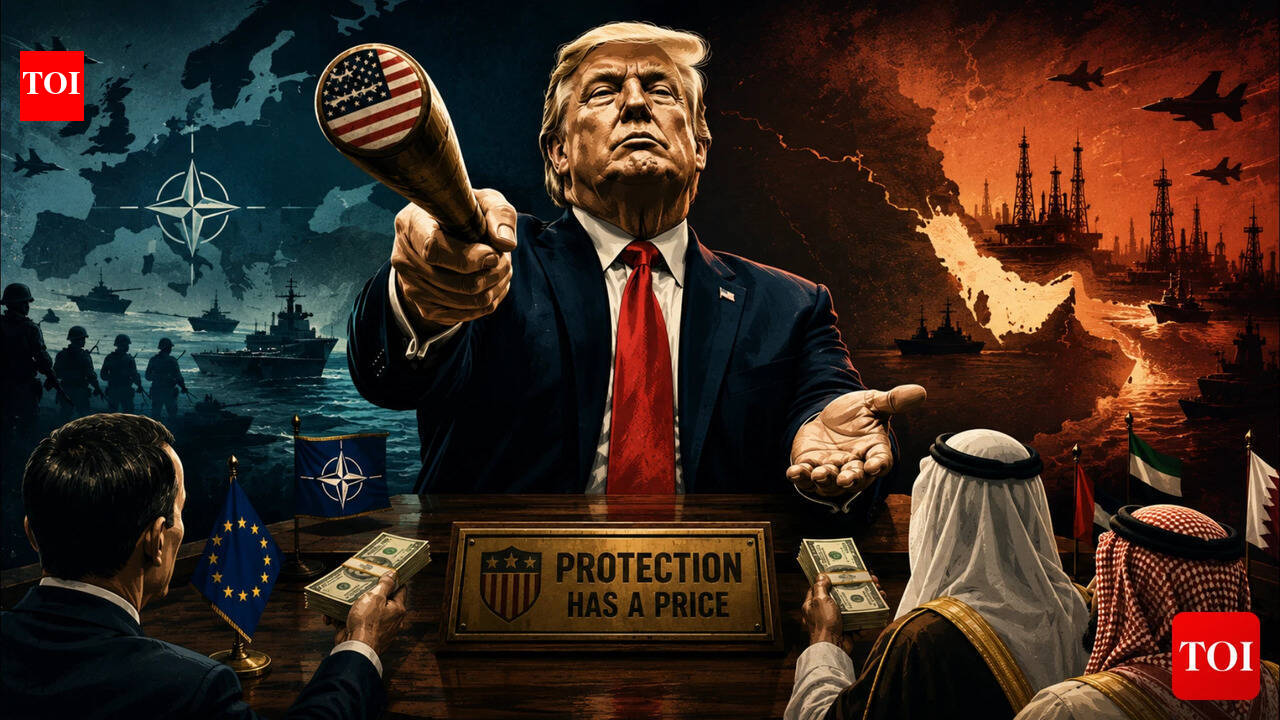
Donald Trump is reframing international security alliances as transactional business deals, pressuring NATO and Gulf nations to increase defense spending. This approach prioritizes financial compensation for US military support, fundamentally shifting traditional diplomatic norms.
The Transactional Doctrine of Global Security
Donald Trump’s approach to foreign policy has consistently centered on the premise that traditional security alliances, such as those within NATO and with Gulf nations, are fundamentally 'bad deals' for the United States. By framing the provision of military protection as a service requiring fair market compensation, Trump has effectively introduced a protection-racket style of diplomacy. This perspective views sovereign defense commitments not as ideological or geopolitical partnerships, but as commercial arrangements where the United States acts as a service provider demanding higher premiums from its beneficiaries.
Real Estate Logic in Geopolitics
This transactional methodology is deeply rooted in Trump’s background as a real estate mogul. In the world of property development, every negotiation is a zero-sum game where leverage is used to extract maximum value. When applied to international relations, this logic strips away the nuance of collective security treaties and replaces them with a ledger-based accounting system. By insisting that allies contribute more for American military support and armaments, the administration seeks to rectify what it perceives as historical inequities where the US bore the brunt of defense costs without adequate financial return.
Pressuring NATO and the Gulf
The impact of this strategy is most visible in the increased pressure placed on NATO members and Gulf states. For decades, the US served as the primary security guarantor for these regions, often with minimal direct financial reimbursement. Under the current paradigm, that dynamic is shifting. Allies are now facing explicit demands to increase their defense expenditures, effectively turning their strategic anxiety regarding regional instability into a direct source of financial gain for the United States. This pressure is designed to force countries to either pay for the security they receive or risk a reduction in US military engagement.
The Shift in Alliance Dynamics
This shift represents a departure from the post-World War II consensus, which prioritized stability and ideological alignment over direct budgetary balance sheets. By treating military support as a commodity, the US is fundamentally altering the expectations of its partners. Countries that once relied on implicit American guarantees are now forced to navigate an environment where their security is contingent upon their willingness to contribute to American industrial or budgetary goals. This creates a more volatile geopolitical landscape, as the value of these alliances is now subject to constant renegotiation.
Future Trends and Global Implications
Looking forward, this 'protection racket' model is likely to have lasting consequences for global security architecture. If nations are increasingly forced to view their defense budgets as payments to Washington, they may seek to diversify their military procurement or develop indigenous capabilities to reduce their reliance on the US. While this strategy may result in short-term financial benefits for the American defense industry and treasury, it risks undermining the long-term soft power and influence that the US has cultivated through its role as a reliable, strategic partner. The future of global security will likely be defined by this tension between transactional demands and the enduring necessity of collective defense.