Trump Urges Congress to Pass Clarity Act During Meeting With Crypto Executives
Source Entity
Yahoo Finance
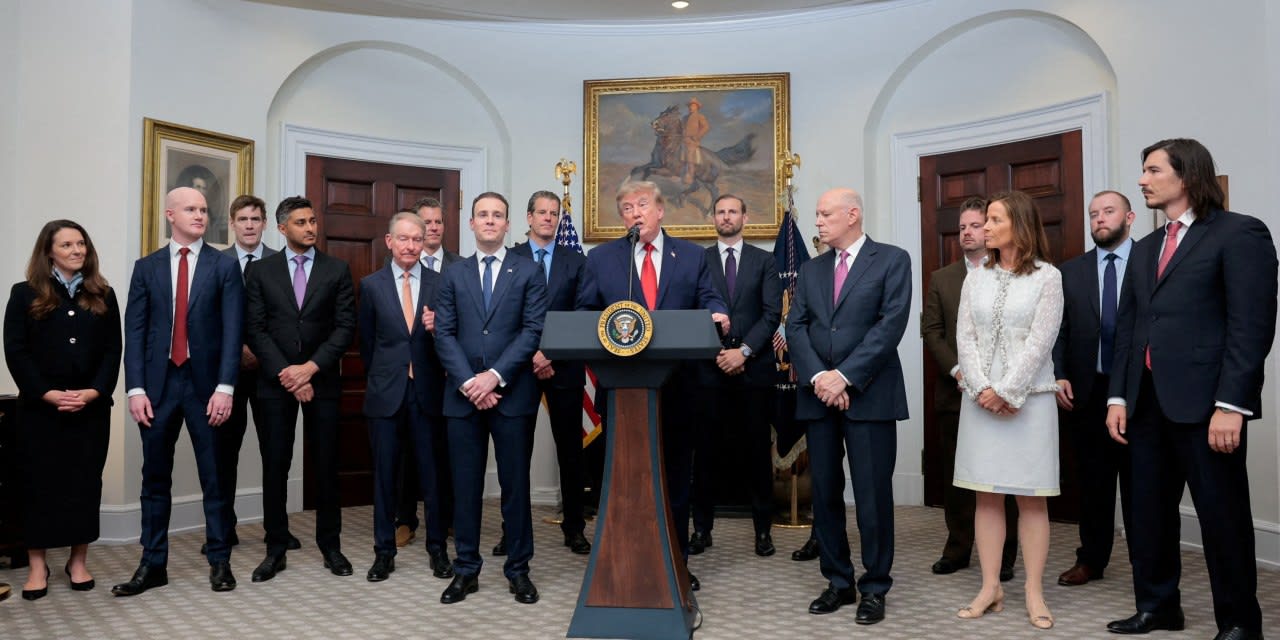
Former President Donald Trump has officially advocated for the passage of the Clarity Act during discussions with cryptocurrency industry leaders. This move signals a significant pivot toward integrating digital asset policy into mainstream political discourse.
The Intersection of Crypto and Federal Policy
Former President Donald Trump’s recent engagement with cryptocurrency executives marks a pivotal moment in the evolution of digital asset regulation in the United States. By explicitly urging Congress to prioritize the passage of the Clarity Act, Trump is signaling a strategic shift in how political figures engage with the burgeoning Web3 and decentralized finance sectors. This legislative push suggests an attempt to formalize the legal status of digital assets, moving them from the periphery of financial debate into the center of national economic policy.
Understanding the Clarity Act
The Clarity Act represents a legislative attempt to establish a definitive regulatory framework for cryptocurrencies. For years, the industry has operated in a 'gray zone,' often grappling with inconsistent enforcement actions from agencies like the SEC and the CFTC. By calling for this specific legislation, Trump is advocating for a rules-based system that could provide the legal certainty necessary for institutional adoption and long-term market stability. This move reflects the growing recognition that the current fragmented regulatory environment is stifling technological innovation.
Political Implications and Voter Engagement
Trump's meeting with crypto executives highlights the increasing influence of the 'crypto-voter' demographic. As digital asset ownership becomes more widespread, political candidates are finding that ambiguous stances on fintech regulation are no longer sufficient. By aligning himself with the objectives of the Clarity Act, the former President is positioning himself as a champion of innovation and financial freedom, potentially tapping into a base of voters who prioritize decentralized technology and a reduced federal regulatory footprint.
Economic Context and Market Stability
The push for legislative clarity is not merely a political maneuver; it is an economic imperative for those seeking to maintain U.S. leadership in global finance. Proponents argue that without a clear legislative roadmap, capital and talent will continue to migrate to jurisdictions with more favorable regulatory environments. By bringing this issue to the halls of Congress, the discourse shifts toward the necessity of competitive economic policy that keeps the U.S. at the forefront of the digital asset revolution.
Future Trends in Digital Asset Governance
Looking forward, the success or failure of the Clarity Act will serve as a bellwether for how future administrations approach emerging technologies. If bipartisan support can be galvanized around this legislation, it could set a precedent for a more collaborative approach between the government and the crypto industry. Conversely, if the initiative stalls, it may lead to a more polarized landscape where regulatory enforcement remains the primary tool for governance, likely prolonging the uncertainty that has characterized the sector for the past decade.
Conclusion: A New Era of Policy Integration
In summary, the call for the Clarity Act represents a sophisticated alignment of political ambition and industry requirement. While the legislative process is notoriously complex, the public endorsement by a high-profile figure like Donald Trump ensures that digital asset regulation will remain a top-tier issue in the upcoming legislative sessions. The outcome of this effort will likely define the trajectory of American financial infrastructure for years to come.