"Not In Best Interests": Trump Warns China, Russia Against Arms Sale To Iran
Source Entity
NDTV News Search Records Found 1000
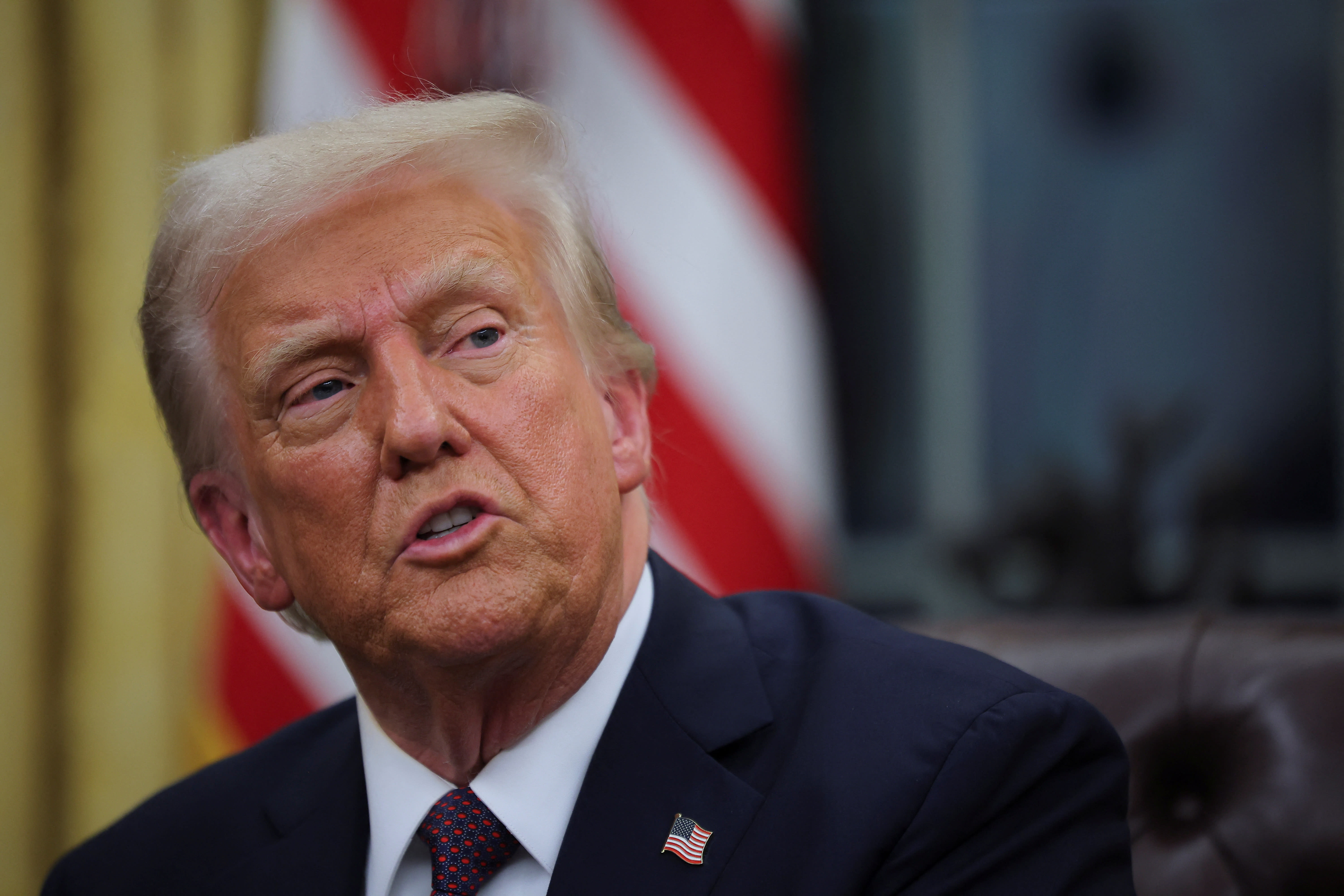
Former President Donald Trump has issued a stern warning to China and Russia, cautioning against the sale of weaponry to Iran. Trump claims he secured assurances from leaders, including Vladimir Putin, regarding these restrictions despite ongoing geopolitical conflicts.
Assessing Trump's Warning on Iran's Arms Procurement
The Geopolitical Stakes of Arms Proliferation
Former President Donald Trump’s recent public warning to China and Russia concerning the sale of arms to Iran highlights the precarious nature of international security. By explicitly stating that such transactions are "not in the best interests" of global stability, Trump is addressing the significant threat posed by the potential modernization of Iran’s military arsenal. The strategic transfer of advanced weaponry to Tehran could fundamentally shift the power dynamics in the Middle East, potentially undermining regional peace efforts and complicating the security landscape for global allies.
The Role of Great Power Diplomacy
Trump’s assertion that Vladimir Putin provided assurances regarding these arms sales, even amidst the ongoing war in Ukraine, underscores the complex and often paradoxical nature of modern diplomatic maneuvering. Even as Russia faces unprecedented international sanctions and military pressure, its engagement with regional powers like Iran remains a critical component of its foreign policy. This dynamic suggests that despite the isolation caused by the conflict in Ukraine, Moscow continues to leverage its military-industrial complex as a tool to maintain strategic relevance on the global stage.
China's Strategic Positioning
Beyond Russia, Trump’s inclusion of China in this warning points to the broader concern of Beijing’s potential role as a supplier of defense technology. As a major global economic power, China’s involvement in the Iranian arms market would represent a significant escalation in geopolitical tensions. Such an action would likely trigger a strong reaction from Western powers, potentially leading to further economic friction and diplomatic isolation for any nation perceived to be actively arming a regime that remains a focus of intense international scrutiny.
Historical Context and Security Frameworks
Historically, the international community has utilized various frameworks, such as the UN arms embargoes, to prevent the proliferation of conventional and unconventional weapons into Iran. Trump’s rhetoric reflects a continued commitment to these restrictive policies, emphasizing that the containment of Iran’s military capabilities remains a cornerstone of his foreign policy vision. This approach seeks to prevent the regional destabilization that would inevitably follow if Iran were to gain access to next-generation military hardware.
Future Trends and Diplomatic Hurdles
Looking ahead, the effectiveness of such warnings will depend on the degree of international cooperation and the willingness of world leaders to prioritize long-term regional stability over short-term transactional gains. As the geopolitical landscape continues to evolve, the pressure on China and Russia to adhere to these informal or formal restrictions will likely increase. If these nations proceed with arms sales, the international community may be forced to implement further punitive measures, potentially leading to a new era of intensified global economic and political fragmentation.
Verification Required?