Trump embraces Xi as peer, alarms partners and critics
Source Entity
CHIDANAND RAJGHATTA
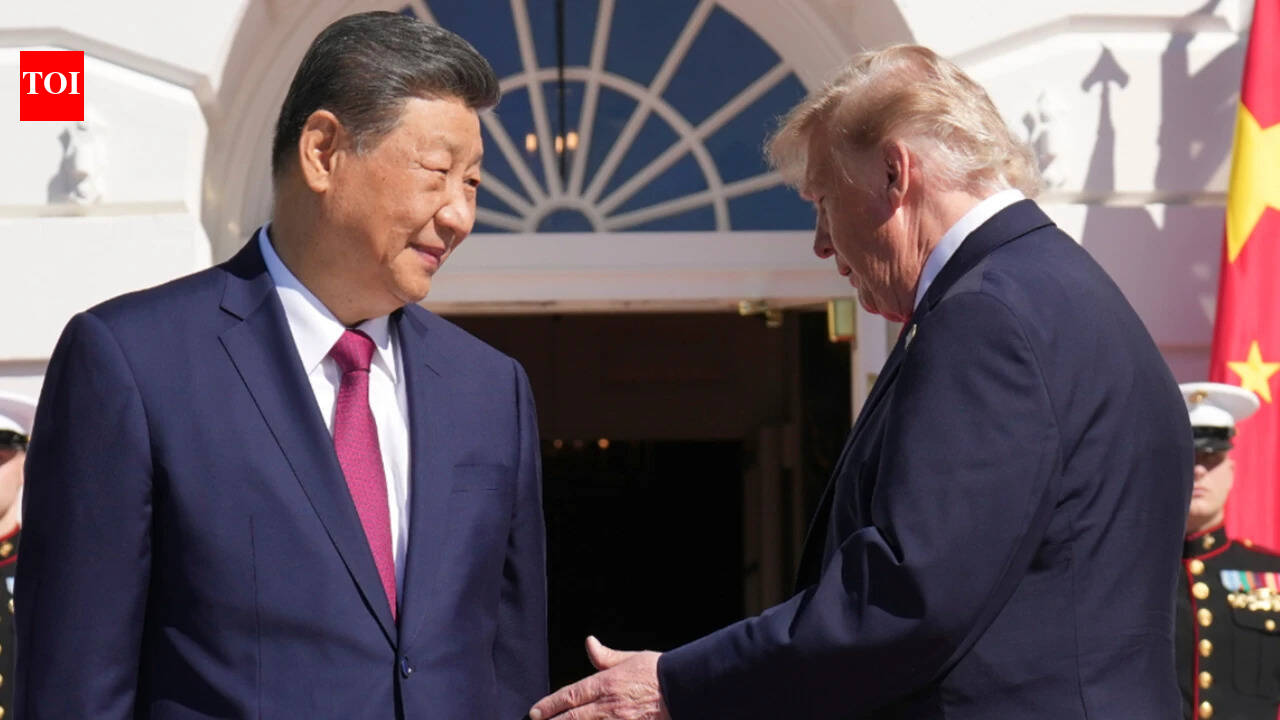
President Trump and President Xi held a high-stakes White House summit focused on de-escalating tensions across trade, technology, and geopolitical issues. Despite the lavish ceremony, a surge in U.S. orders for Chinese goods suggests businesses are cautiously optimistic about future economic stability.
The White House Summit: A Diplomatic High-Wire Act
The recent summit between U.S. President Donald Trump and Chinese President Xi Jinping at the White House represents a critical juncture in modern international relations. Characterized by lavish ceremonies and formal military reviews in the Rose Garden, the meeting served as a stage for the world’s two most powerful leaders to project stability. Beyond the pageantry, the core objective was clear: to create a framework for managing the multifaceted friction between Washington and Beijing, ranging from trade imbalances to complex geopolitical disputes.
The Thucydides Trap and Strategic Competition
President Xi’s explicit reference to the “Thucydides Trap” during the summit is a significant indicator of the current ideological climate. This historical concept, which posits that conflict is nearly inevitable when a rising power challenges an established hegemon, highlights the gravity of the current U.S.-China dynamic. By invoking this term, Xi signaled a desire to move beyond the current zero-sum narrative and toward a model of cooperation. The discussions covered a wide array of contentious issues, including the status of Taiwan, the complexities of artificial intelligence, and diverging policies on Iran, all of which remain primary sources of friction.
Economic Indicators and Business Sentiment
While the diplomatic rhetoric focused on long-term stability, private sector data offers a more immediate perspective on the state of U.S.-China relations. A recent survey by China Beige Book, which analyzed 1,296 Chinese companies, revealed a “surprise” uptick in orders from the United States. This rebound in exports, occurring in the weeks leading up to the summit, underscores a strategic repositioning by American businesses. As companies prepare for a period of relative stability, the improvement in China’s tariff position has acted as a catalyst for renewed trade activity.
Navigating the Trade Landscape
The surge in shipments to the U.S., measured on both a yearly and monthly basis, indicates that the private sector is betting on a cooling of trade hostilities. This economic behavior suggests that despite the high-stakes political disagreements, there is a tangible incentive for both nations to maintain functional supply chains. The Yantian Port in Shenzhen stands as a physical testament to this reality, where container ships continue to facilitate the massive flow of goods that underpin the world's two largest economies.
Future Implications and Global Stability
The success of this summit will ultimately be measured not by the warmth of the speeches, but by the tangible concessions made regarding technology and trade policy. The challenge for both administrations lies in balancing domestic political pressures—which often demand a hardline stance—with the global necessity of avoiding economic decoupling. As the U.S. and China continue to navigate the complexities of their competition, the ability to maintain open channels of dialogue will be the defining factor in determining whether they can successfully avoid the structural conflicts inherent in their relationship.
Conclusion
In summary, the Trump-Xi meeting served as a necessary exercise in diplomatic signaling. While the atmosphere was marked by ceremony, the underlying economic data suggests a cautious optimism among the business community. Whether this summit marks the beginning of a genuine stabilization or merely a temporary pause in a broader era of systemic competition remains to be seen. The coming months will likely reveal whether the commitments made in the White House translate into long-term policy shifts.