'I don't want to send you to prison', witness tells Tupac accused in combative testimony
Source Entity
BBC News
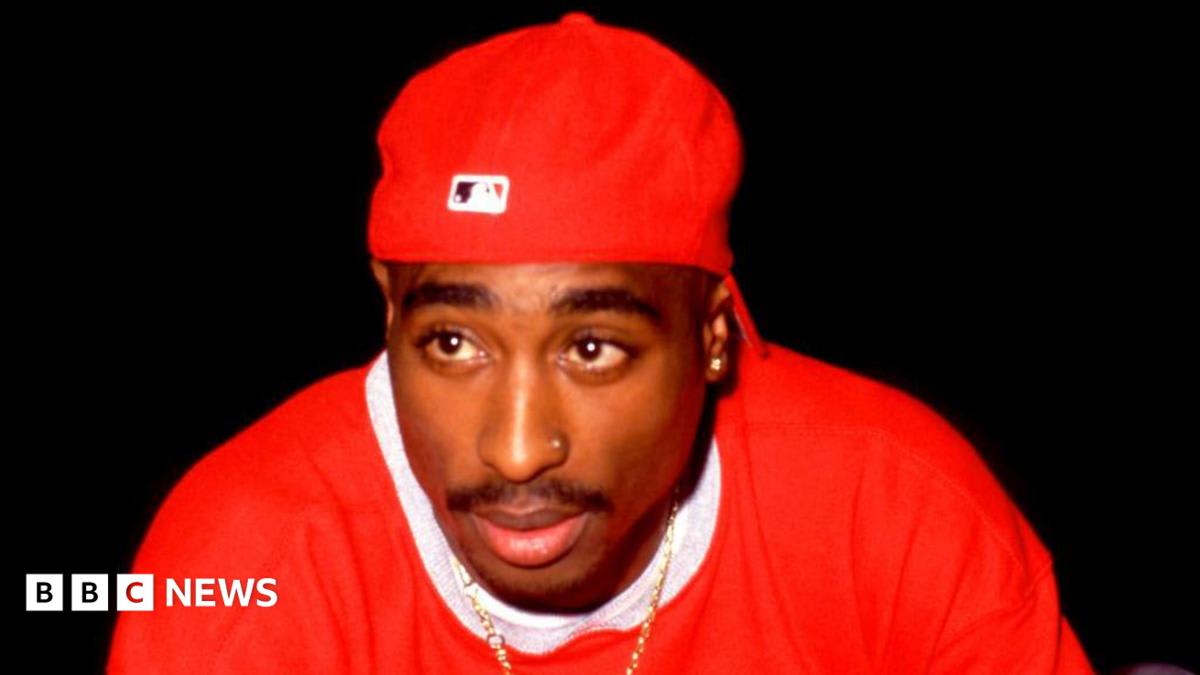
A former Death Row Records associate testified in the trial of Duane 'Keffe D' Davis regarding the murder of Tupac Shakur. The witness expressed reluctance to implicate Davis, despite their rivalry and legal pressure to provide testimony.
The Complexity of the Tupac Shakur Murder Trial Testimony
The ongoing legal proceedings surrounding the murder of hip-hop icon Tupac Shakur have reached a volatile juncture. During the recent trial of Duane 'Keffe D' Davis, a key witness—identified as a former member of the Mob Piru gang and a one-time enforcer for Death Row Records—provided testimony that highlighted the deep-seated tensions and complex loyalties inherent in this decades-old case. The witness, known as McDonald, found himself at the center of a judicial pressure cooker, having been threatened with contempt of court to compel his participation in the trial.
The Dynamics of Street Allegiances and Legal Obligations
The testimony underscored the inherent conflict between street codes and the formal requirements of the American justice system. McDonald, who held a prominent role within the Death Row Records orbit during the label's peak, explicitly stated that he was not present during the specific incident that claimed Shakur’s life. His reticence to provide detailed answers to defense attorney Michael Sanft’s inquiries was not merely a matter of memory, but a reflection of the lingering, complicated dynamics between former gang rivals and associates caught in the crosshairs of a historic investigation.
A Confrontation of Wills in the Courtroom
The courtroom atmosphere turned combative as McDonald resisted the line of questioning, eventually raising his voice and arms in a display of frustration. His vocal insistence that he did not want to send Davis to prison—despite a clear acknowledgment of their mutual dislike—serves as a poignant reminder of the 'no-snitching' culture that has historically hindered investigations into the 1996 killing. By directly addressing Davis and urging him to communicate with his counsel, McDonald blurred the lines between a courtroom witness and a participant in a long-standing personal and professional rivalry.
Broader Implications for the Case
This interaction provides significant insight into the challenges prosecutors face when relying on witnesses from the world of 1990s gang subcultures. The reluctance of those involved to serve as catalysts for a conviction complicates the narrative of the state, which is attempting to secure a verdict against Davis years after the crime occurred. As the defense continues to probe for inconsistencies, the emotional volatility displayed by witnesses like McDonald suggests that the trial will remain a battle of psychological endurance as much as a search for objective evidence.
Looking Toward Future Judicial Trends
As this case proceeds, the legal system faces the difficult task of reconciling historical gang affiliations with the evidentiary standards required for a murder trial. The intense scrutiny placed on witnesses, combined with the threat of contempt, reflects the high stakes of this high-profile case. Moving forward, the court must navigate these personal vendettas and ideological loyalties, which continue to loom over the proceedings, potentially shaping the final outcome and the historical legacy of the investigation into Tupac Shakur's death.