Two Turkish-flagged vessels collide off Istanbul; 10 crew members unreachable
Source Entity
TRISHA MAHAJAN
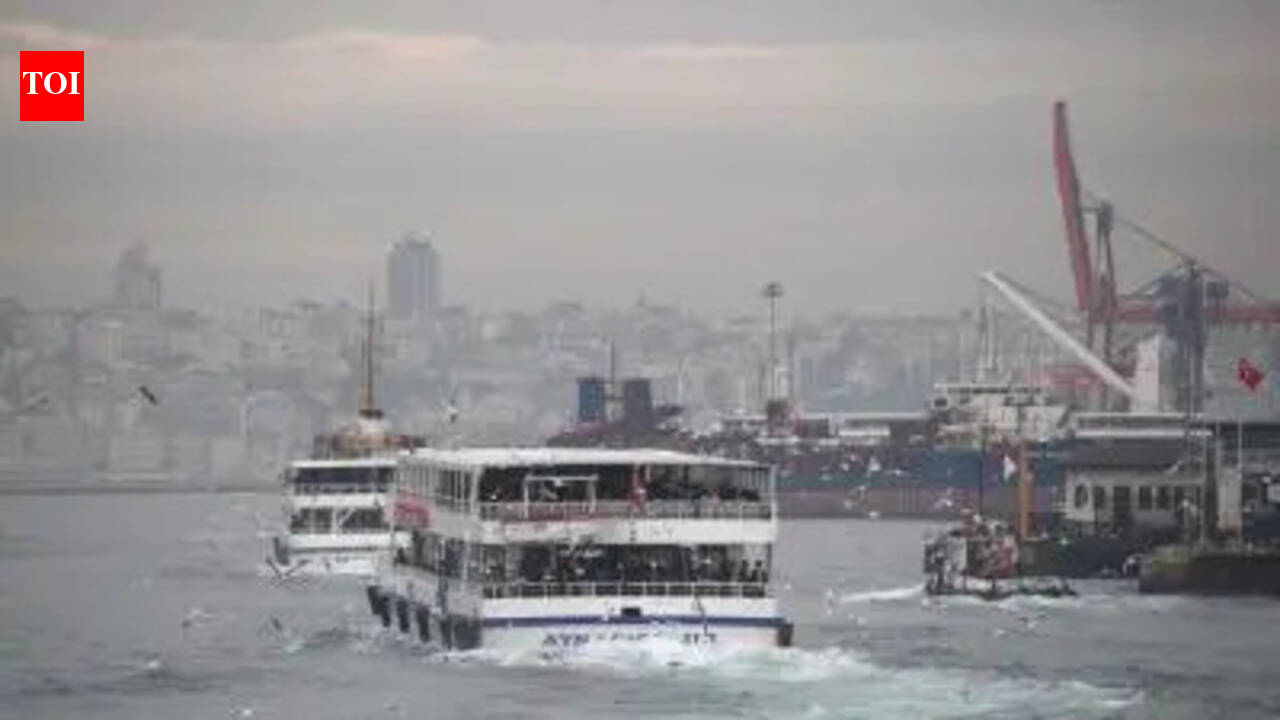
Two Turkish-flagged vessels, the Alsu and the Tugberk Imamoglu, collided in the Sea of Marmara off Istanbul early Wednesday. Search and rescue operations are underway for 10 crew members from the Tugberk Imamoglu who remain unaccounted for.
Maritime Collision in the Sea of Marmara
On Wednesday morning, a significant maritime incident occurred in the Sea of Marmara, as two Turkish-flagged commercial vessels collided off the coast of Istanbul. The collision, which took place near the Silivri district at approximately 3:00 am local time (0000 GMT), involved the chemical tanker Alsu and the bulk carrier Tugberk Imamoglu. While the Alsu was navigating toward the Aegean port of Aliaga, the Tugberk Imamoglu was en route to the Black Sea port of Karadenizeregli when the incident transpired.
Immediate Response and Search Operations
Following the collision, the Istanbul governor's office confirmed that contact with the Tugberk Imamoglu had been lost. Authorities have launched an extensive search and rescue mission, deploying both coast guard vessels and helicopters to the site of the crash to locate the missing ship and its 10 crew members. The rapid response from Turkish authorities underscores the critical nature of maritime safety protocols in one of the world's most congested waterways.
Vessel Status and Damage Assessment
Preliminary reports from the governor's office suggest a disparity in the impact sustained by the two vessels. While the Tugberk Imamoglu remains the focus of the urgent search effort due to its missing status, officials noted that there was no visible damage to the Alsu. This observation has become a focal point for investigators attempting to determine the mechanics of the collision and why one vessel appears to have suffered more catastrophic consequences than the other.
Strategic Importance of the Sea of Marmara
The Sea of Marmara serves as a vital maritime corridor, connecting the Black Sea to the Aegean and Mediterranean through the Bosphorus and Dardanelles straits. Given its role as a global chokepoint for energy and bulk commodity transport, any disruption in this region carries significant implications for maritime traffic management. The safety of these corridors is paramount, and incidents like this highlight the complexities of navigating highly trafficked waters, particularly during early morning hours when visibility and operational fatigue may influence safety outcomes.
Historical Context and Future Trends
Maritime safety in the region is a constant priority for Turkish authorities, who manage the heavy transit of commercial shipping. While the Tugberk Imamoglu, owned by Zeybe Denizcilik, is currently the subject of a desperate rescue effort, the incident serves as a stark reminder of the inherent risks involved in commercial shipping. Looking forward, we can expect increased scrutiny on maritime navigation standards and potentially stricter enforcement of traffic separation schemes in the Sea of Marmara to prevent similar collisions as global trade volumes continue to rise.