What do the bypoll results tell us about their states? | Number Theory
Source Entity
Latest News: Todays Latest News Headlines from India & World | Hindustan Times | Hindustan Times
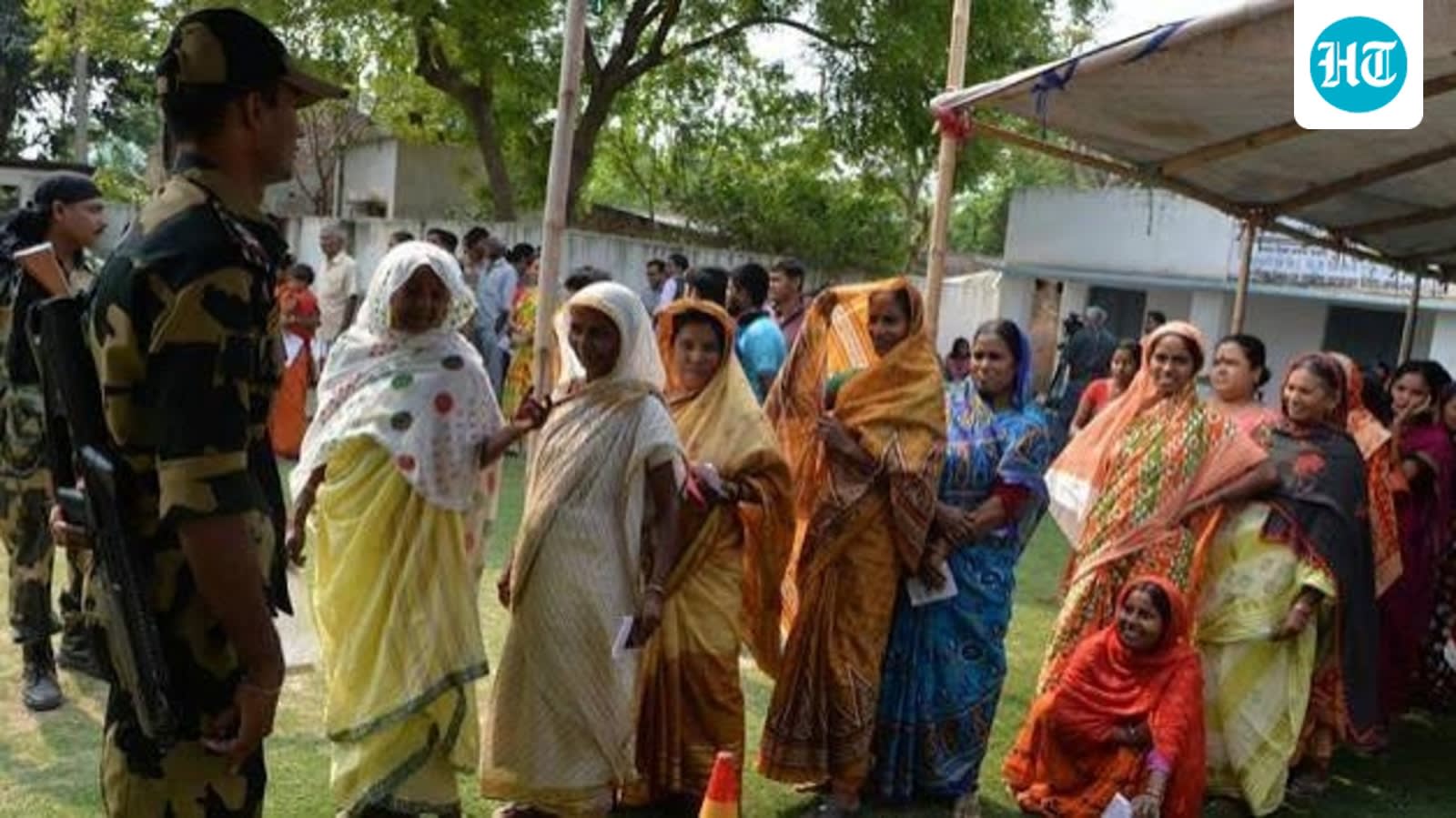
The ruling Tamilaga Vettri Kazhagam (TVK) successfully retained the Madurantakam and Dharapuram seats in Tamil Nadu byelections. Meanwhile, DMK leader M.K. Stalin criticized the results as a 'temporary victory for the politics of betrayal' and accused the ruling party of poaching.
TVK Consolidates Power in Tamil Nadu Byelections
The recent byelection results in Tamil Nadu have solidified the position of the Tamilaga Vettri Kazhagam (TVK), which secured decisive victories in the Madurantakam and Dharapuram (Reserved) constituencies. These results, declared on October 9, 2026, mark a significant milestone for the party, which has been in power for only five months. The victory is particularly notable as it serves as the first major electoral test for the ruling administration since assuming office.
The Mechanics of Defection and Re-election
The electoral success for the TVK was driven by the candidacy of Maragatham Kumaravel and P. Sathyabama, who were previously elected as AIADMK representatives earlier in the year. Following their resignation from the Assembly shortly after their initial election, they switched allegiance to the TVK. This political maneuver necessitated the byelections, and their subsequent re-election—with comfortable margins of 20,040 and 9,471 votes respectively—suggests that the local electorates prioritized the incumbents' switch to the ruling party over their former party affiliations.
Opposition Critique and the 'Politics of Betrayal'
DMK president M.K. Stalin has vocally challenged the legitimacy of these results, framing the TVK’s victory as a product of the "politics of betrayal." Stalin’s rhetoric highlights a growing divide in Tamil Nadu politics, where the opposition is increasingly critical of "horse-trading" and the poaching of MLAs. By characterizing the result as a "temporary victory," Stalin is attempting to delegitimize the ruling party's gain, arguing that the combined vote share of the opposition parties signifies that the TVK has been rejected by the majority of the electorate.
Impact on the AIADMK
The performance of the AIADMK in these byelections indicates a challenging road ahead for the party. In Madurantakam, for instance, the AIADMK candidate S. Kanitha Sampath finished behind the DMK rival, signaling a loss of voter base in traditional strongholds. The fact that the party lost its own sitting MLAs to the ruling party and subsequently failed to reclaim these seats in the byelections underscores a systemic issue with retaining leadership and voter loyalty in the current political climate.
Broader Political Implications and Future Trends
The recurring theme of MLAs resigning to join the ruling party, followed by successful re-elections, suggests a trend of "governance-focused" voting, where constituents may feel that aligning with the ruling power provides better access to resources and development. However, this trend has drawn sharp criticism from the opposition, which advocates for higher standards of political discourse and an end to what they describe as "vendetta politics." As the TVK continues its tenure, the tension between these electoral gains and the opposition's narrative of "dirty politics" will likely define the discourse leading up to future state-wide contests.
Multiple Citing Sources
Verification Required?