Typhoons batter East Asia as El Niño makes Pacific 'burn with fever'
Source Entity
BBC News
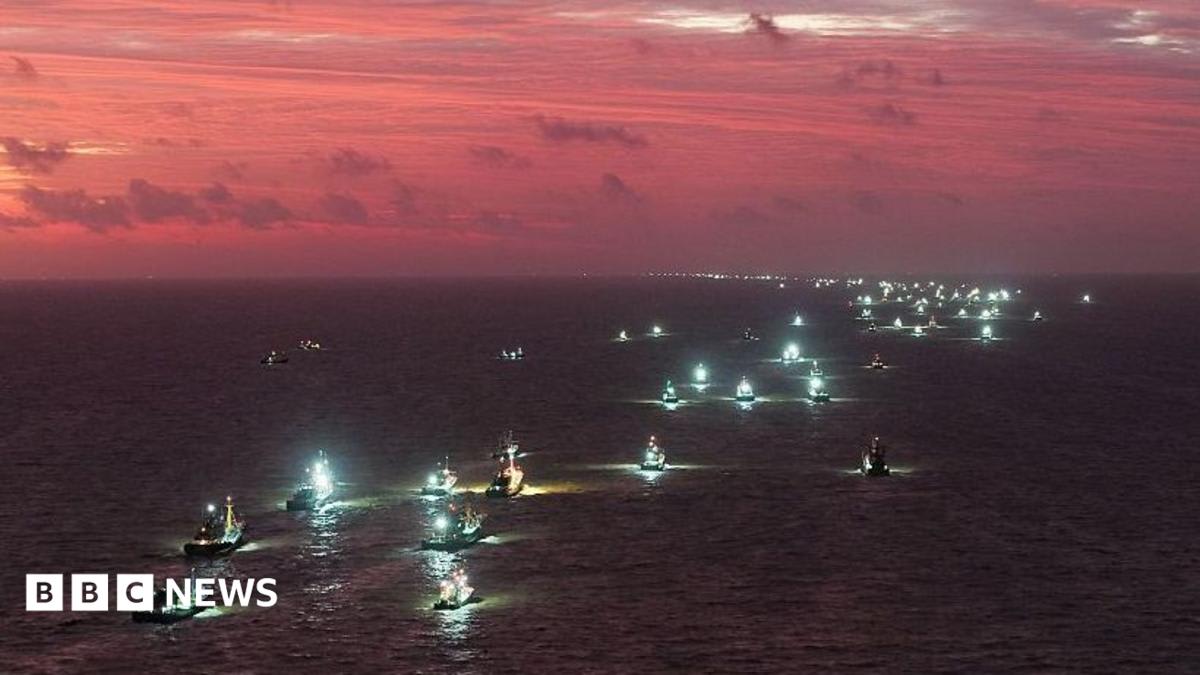
East Asia is facing a wave of unusually intense typhoons exacerbated by the El Niño weather pattern. These storms have caused significant fatalities and infrastructure damage, prompting urgent calls for enhanced disaster preparedness.
The Pacific's Fever: A New Era of Storm Intensity
Coastal communities across the Philippines, Taiwan, China, and Japan have long adapted to the seasonal rhythm of typhoons. However, recent months have deviated from historical norms, characterized by a series of violent weather systems that have pushed existing disaster management frameworks to their breaking point. The current surge in storm frequency and power is not merely a seasonal fluctuation but an alarming manifestation of the Pacific Ocean 'burning with a fever,' a metaphor used by scientists to describe the anomalous warming of ocean temperatures.
The Role of El Niño in Meteorological Escalation
The driving force behind this recent instability is the El Niño phenomenon, a naturally occurring climate pattern that involves the warming of surface waters in the central and eastern Pacific Ocean. When El Niño is active, it alters atmospheric circulation patterns, effectively providing more thermal energy to developing storms. This influx of energy allows typhoons to intensify more rapidly, often reaching catastrophic wind speeds—such as the 295km/h (193mph) gusts recorded during Typhoon Champi—that pose existential threats to residential and industrial infrastructure.
Economic and Social Toll of Extreme Weather
The human and economic costs of these storms have been severe. Beyond the tragic loss of life, the region has faced widespread disruption to critical logistics, including the shuttering of major international airports and the destruction of vital agricultural yields. In October, the threat posed by Typhoon Champi was significant enough to necessitate the near-total shutdown of Taiwan, a testament to the scale of these weather events. Even when storms do not make direct landfall, the resulting rainfall and storm surges trigger secondary disasters like flooding and landslides, which continue to ravage local economies long after the wind subsides.
The Challenge of Disaster Preparedness
Governments across East Asia are currently in a race against time to bolster their disaster readiness protocols. While these nations are arguably among the most experienced in the world at managing typhoon risks, the current trajectory suggests that historical data is becoming an unreliable guide for future planning. The 'unprecedented' nature of these recent weather systems forces a shift from reactive emergency management to proactive, long-term climate adaptation strategies, such as upgrading coastal fortifications and revising urban development codes to withstand higher-velocity winds.
Future Trends and Scientific Warnings
Scientists continue to issue warnings that the intensification of the Pacific’s weather systems is part of a broader, concerning trend in global climate risks. As the ocean continues to hold more heat, the capacity for storms to undergo 'rapid intensification' increases, making them more difficult to forecast accurately. For the millions living in coastal zones, the future will likely require a fundamental shift in lifestyle and infrastructure to coexist with a more volatile climate, emphasizing the need for regional cooperation in data sharing and disaster response to mitigate the worst of these recurring crises.