Uber is building an autonomous vehicle empire, and here’s every company it’s using to do it
Source Entity
Kirsten Korosec
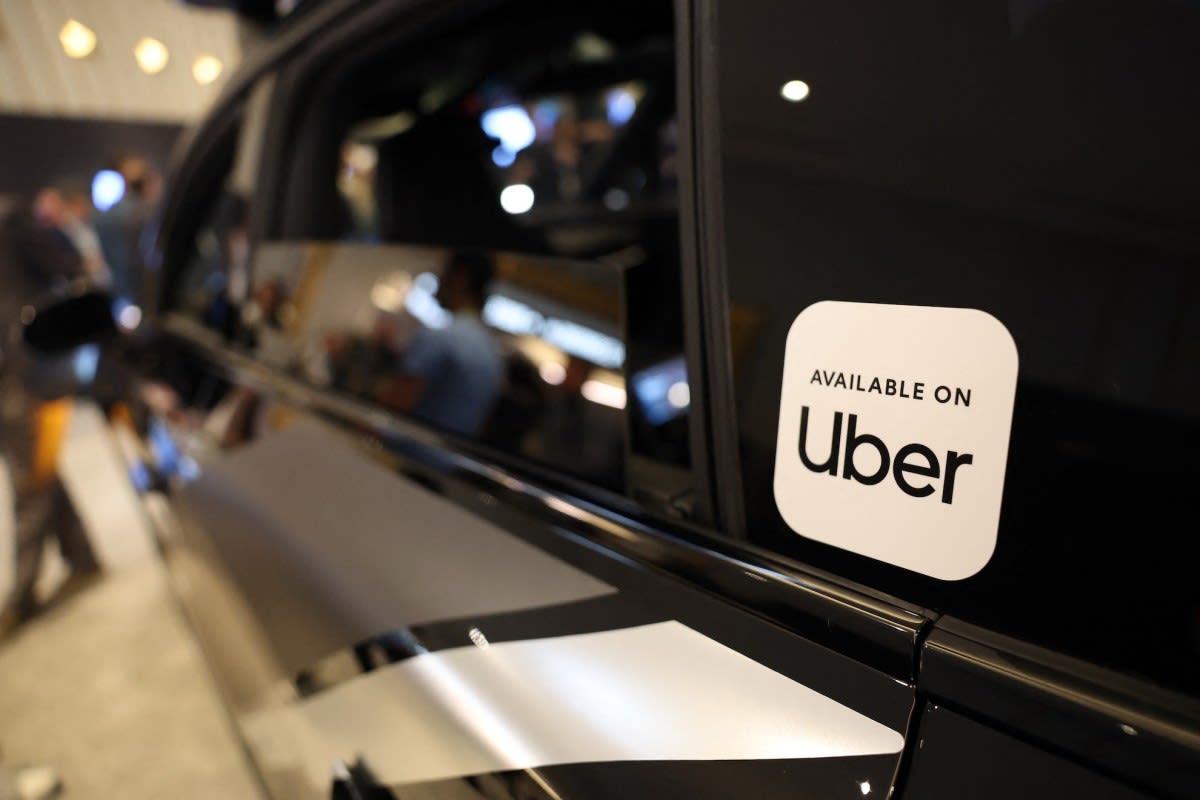
Uber is pivoting from internal development to a strategic ecosystem model, partnering with over 30 autonomous vehicle firms to scale its operations. This shift is accompanied by complex political maneuvering in Washington, D.C., where Uber has uniquely aligned with labor unions against specific mass deployment legislation.
The Strategic Pivot: From Developer to Ecosystem Architect
Uber’s trajectory in the autonomous vehicle (AV) sector has undergone a profound transformation. Initially, the company pursued an insular strategy, launching its Advanced Technologies Group (ATG) in 2014 and aggressively recruiting talent from Carnegie Mellon University. This period was defined by an effort to build proprietary technology, underscored by high-profile acquisitions like the self-driving truck startup Otto. However, the company has since abandoned the 'build-it-all' model in favor of an expansive ecosystem approach, having invested in or partnered with over 30 autonomous vehicle companies globally over the past two years.
The Rationale Behind Ecosystem Integration
By decentralizing its AV development, Uber is positioning itself as the primary marketplace and infrastructure layer for autonomous transport. Rather than bearing the massive R&D costs and regulatory risks of developing a bespoke fleet from scratch, Uber is leveraging the innovation of external specialists. This shift allows the company to remain asset-light while ensuring that its platform remains the dominant interface for future mobility services, regardless of which specific AV provider wins the technological race.
Political Paradoxes in Washington, D.C.
As Uber scales this strategy, it faces a complex regulatory landscape. Most notably, the company has found itself in an unlikely, if tactical, alignment with labor unions regarding the 'Autonomous Vehicle Deployment Authorization Amendment Act' in Washington, D.C. While Uber is an AV proponent, it is currently pushing back against this specific legislation. This indicates that Uber’s priority is controlled, profitable deployment rather than rapid, unrestricted expansion that might bypass its existing operational standards or regulatory preferences.
Labor and Safety: The Core Friction Points
The D.C. bill highlights the growing tension between technological acceleration and public welfare. Organized labor groups have raised significant concerns regarding the erosion of wages and the displacement of human drivers due to widespread AV adoption. These economic anxieties are compounded by persistent public skepticism regarding the safety of autonomous systems. Uber's involvement here suggests that the company recognizes that the road to mass adoption is as much political as it is technical.
Future Trends and Market Implications
Moving forward, the competition between industry heavyweights like Uber and Waymo will likely intensify, particularly in the realm of regulatory capture and policy influence. The future of autonomous transport will not merely be determined by who has the best sensor suite or software stack, but by which companies can successfully navigate the competing demands of municipal governments, labor organizations, and public safety advocates. Uber’s recent moves suggest a calculated effort to lead this transition by exerting influence over the legislative framework that will eventually dictate the rules of the autonomous road.