Uber beats Waymo as first to launch robotaxis in London
Source Entity
Andrew J. Hawkins
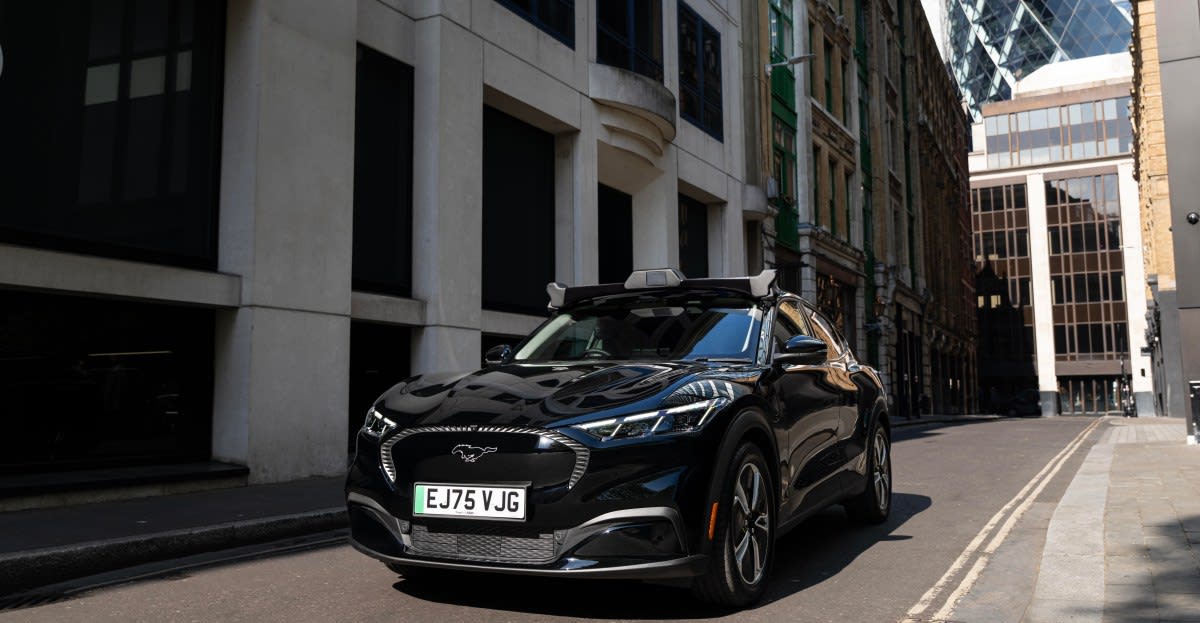
Uber has officially launched London's first commercial robotaxi service in partnership with UK startup Wayve. While the vehicles feature autonomous technology, they currently operate with mandatory human safety drivers and are limited to a small fleet of 15 cars.
The Dawn of Autonomous Ride-Hailing in London
Uber has officially marked a significant milestone in the evolution of urban mobility by launching London’s first commercial robotaxi service. By integrating autonomous technology developed by the UK-based startup Wayve into its platform, Uber has successfully outpaced competitors like Waymo to establish a foothold in the British capital. This launch, which occurred this past Thursday, signifies the culmination of several years of strategic planning and collaboration between the two companies.
The Mechanics of the Launch
While the technology is autonomous, the current rollout is characterized by a cautious, safety-first approach. Transport for London (TfL) has granted licenses for these modified vehicles, which currently include a fleet of only 15 cars. A critical requirement of this regulatory approval is the presence of a licensed human safety driver in the front seat at all times. This driver is prepared to intervene and assume manual control of the vehicle should the autonomous systems encounter an environment they cannot safely navigate.
Scaling and Market Integration
Integrating the service into the existing Uber app allows for a seamless user experience, where passengers can hail a robotaxi just as they would an UberX or Uber Electric. Pricing for these rides is currently aligned with standard service tiers, ensuring that the novelty of the technology does not create an immediate barrier to entry for consumers. However, with over 100,000 private hire vehicles already operating in London, the current fleet of 15 robotaxis represents a minuscule fraction of the market, serving more as a controlled pilot program than a mass-market transportation solution.
Regulatory and Competitive Landscapes
The race to dominate the autonomous vehicle space in the UK has been intense, and Uber’s victory over Waymo is a strategic win that allows the company to define the early consumer experience. By working closely with local regulators, Uber is testing the public appetite for driverless technology within the complex, high-density traffic environment of London. This trial is crucial for gathering data on both technical performance and user trust.
Future Implications and Challenges
Looking ahead, the success of this program will likely hinge on the transition from supervised autonomy to fully driverless operations. The current necessity of a safety driver limits the economic efficiency of the service, as the labor costs remain constant. Future trends will likely involve the gradual increase of the licensed fleet size and, eventually, a transition toward removing the human operator once the technology proves sufficiently reliable to meet the stringent safety standards required by UK authorities.
Conclusion
Uber’s entry into the London robotaxi market is a foundational step toward a future where autonomous transport may become commonplace. By balancing technological ambition with the pragmatic requirements of safety and regulation, the company is laying the groundwork for what could eventually be a transformation of the city's private hire landscape. While the current scale is limited, the initiative provides a vital real-world laboratory for the future of urban mobility.
Multiple Citing Sources