Udhayanidhi Stalin accused of making double entendre comment on Trisha Krishnan while talking about Vijay: ‘Disgusting’
Source Entity
Latest News: Todays Latest News Headlines from India & World | Hindustan Times | Hindustan Times
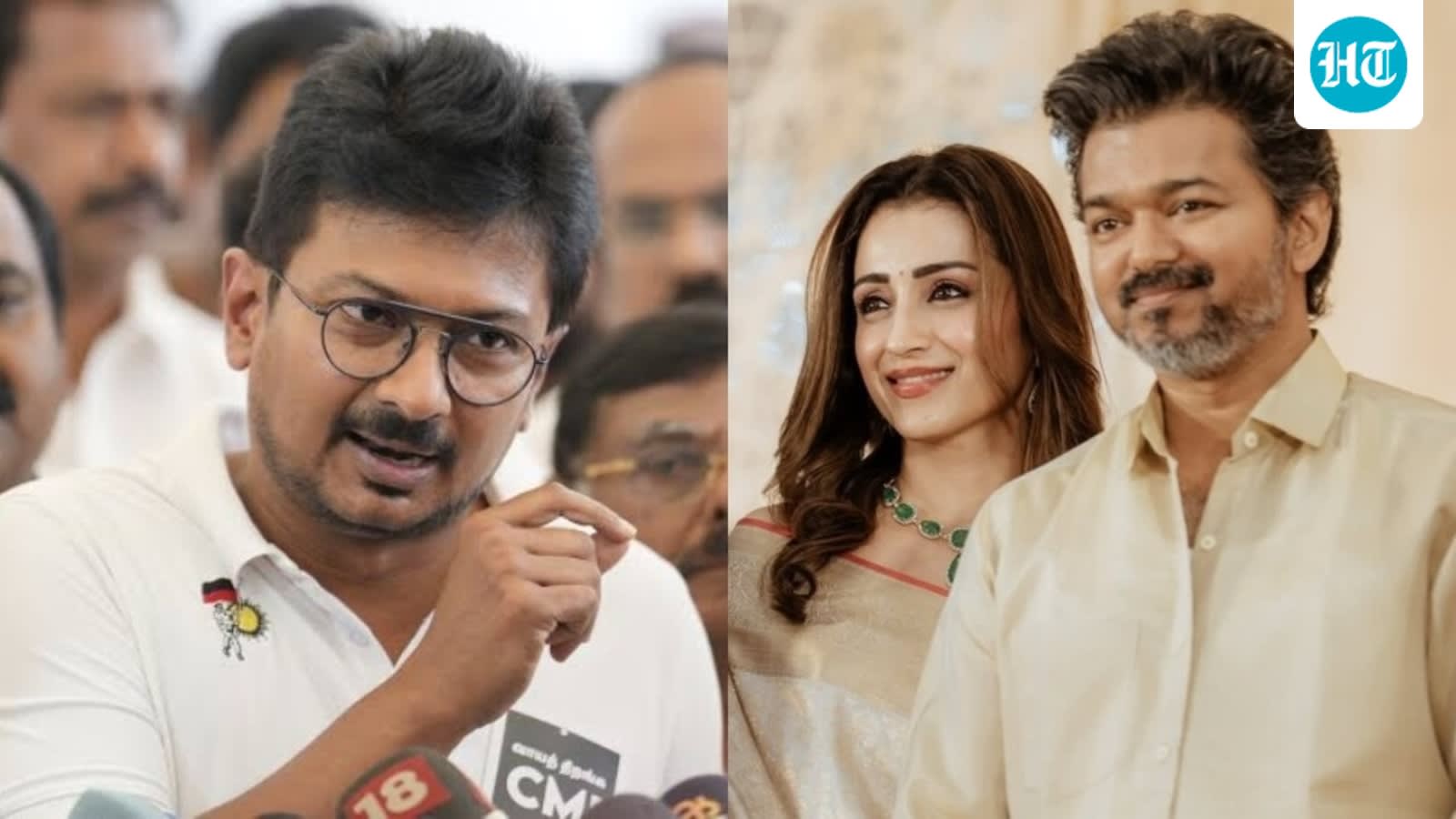
Tamil Nadu Deputy CM Udhayanidhi Stalin is facing widespread backlash after making a controversial comment involving actor Trisha Krishnan during a political event. Both Vijay’s TVK party and the BJP have condemned the remarks as inappropriate.
The Intersection of Cinema and Politics in Tamil Nadu
Tamil Nadu has long maintained a unique cultural landscape where the lines between the film industry and political life are frequently blurred. This recent controversy involving Deputy Chief Minister Udhayanidhi Stalin—who himself transitioned from a successful career as a film producer and actor into the political sphere—highlights the volatility of this convergence. By making a comment perceived as a double entendre regarding actor Trisha Krishnan during a farmers' protest, Stalin has inadvertently sparked a significant public outcry that transcends mere celebrity gossip.
The Anatomy of the Controversy
The incident, which occurred during a public demonstration, has been characterized by critics as "disgusting" and professionally inappropriate. The core of the grievance lies in the perceived lack of decorum expected from a high-ranking government official. When public figures utilize their platform to make suggestive remarks about women in the industry, it reignites broader societal debates regarding misogyny, the objectification of female actors, and the standard of discourse expected from elected representatives.
Political Fallout and Party Dynamics
The political ramifications were swift, with Vijay’s newly formed political party, TVK (Tamilaga Vettri Kazhagam), taking a strong stance against Stalin. This move is particularly significant as it signals a sharpening of political rivalries. By positioning themselves as defenders of moral decorum, TVK is attempting to carve out a distinct identity that contrasts with the established DMK leadership. Simultaneously, BJP leader Vinoj P Selvam has joined the chorus of condemnation, illustrating how this incident has provided a rare common ground for disparate opposition parties to criticize the current state administration.
Historical Context of Celebrity-Politician Friction
Historically, the Tamil film industry has served as a launchpad for political power, with figures like M.G. Ramachandran and J. Jayalalithaa dominating the state's political history. However, this history also carries the baggage of public scrutiny. When a politician with a background in cinema makes comments about a contemporary actor, it is often viewed through the lens of power dynamics. The public reaction suggests a growing intolerance for remarks that diminish the professional standing of women in the entertainment sector, indicating a shift in social expectations.
Implications for Future Public Discourse
As the digital age continues to amplify the reach of every public statement, the threshold for what constitutes acceptable political speech is narrowing. For leaders like Udhayanidhi Stalin, the incident serves as a cautionary tale regarding the scrutiny that accompanies high office. Future trends suggest that political actors will face increasing pressure to separate their personal commentary from their official duties, as the electorate becomes more vocal about demanding professionalism and respect in public discourse.
Conclusion
Ultimately, the backlash against the Deputy CM underscores a broader cultural demand for accountability. Whether this event marks a temporary lapse in judgment or a recurring issue in Tamil Nadu's political discourse remains to be seen. However, the swift mobilization of both the TVK and the BJP indicates that this incident will likely remain a point of contention in the ongoing battle for political narratives in the state.
Verification Required?