UK commits to 'time-bound' talks on slavery apology
Source Entity
BBC News
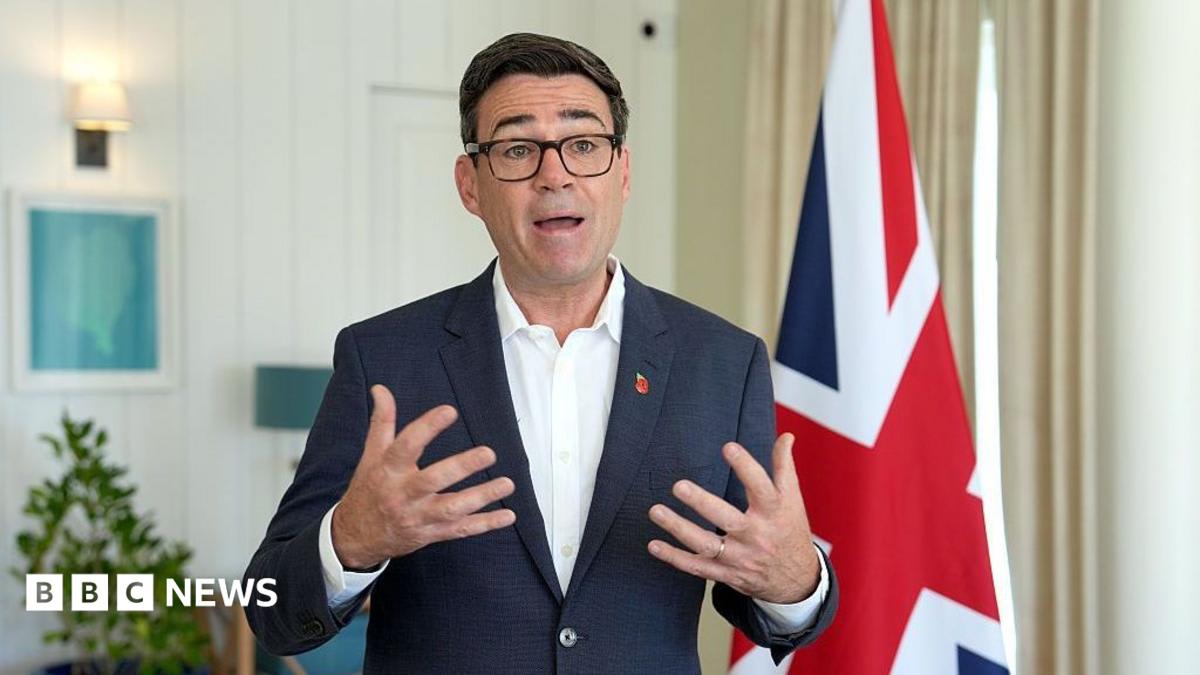
The UK has formally committed to structured, time-bound, and inclusive dialogue regarding the historical harms of the transatlantic slave trade. This agreement, finalized at the Commonwealth Heads of Government Meeting, signals a potential shift toward addressing long-standing calls for recognition and reparations.
A New Chapter in Commonwealth Relations
The recent commitment by the United Kingdom to engage in "structured, time-bound, inclusive and good-faith" talks regarding the transatlantic slave trade marks a significant evolution in international diplomacy. By formalizing this commitment within the Commonwealth Heads of Government Meeting communique, the UK has acknowledged the necessity of addressing the "historical harms" inflicted during one of history's most brutal eras. This decision represents a departure from previous diplomatic postures that often avoided direct engagement with the legacy of slavery.
The Significance of the Commonwealth Communique
The inclusion of this commitment in an 18-page formal document carries substantial weight. The Commonwealth, as a voluntary association of 56 independent and equal countries, serves as a unique platform for this dialogue. By embedding the agreement in the official communique, the UK has institutionalized the process, ensuring that the talks are not merely symbolic but are subject to a structured framework that demands accountability and progress over a defined period.
Historical Context and Institutional Responsibility
For decades, affected nations and descendant communities have sought acknowledgment and reparations for the transatlantic trafficking of enslaved Africans. The UK’s historical role as a primary architect and beneficiary of this trade has long been a point of contention in its foreign relations. This move suggests an emerging recognition that contemporary geopolitical stability and moral leadership depend on reconciling with the past. The "historical harms" referred to in the text encompass not just the physical act of enslavement, but the systemic economic and social destruction that persists in many nations today.
The Role of Leadership and Political Will
Prime Minister Andy Burnham’s role in opening the door to a formal apology is a pivotal moment in this unfolding narrative. Political leadership is often the catalyst for shifting national narratives, and by signaling a willingness to engage in these discussions, the current administration is attempting to bridge the gap between historical accountability and modern-day diplomacy. The shift reflects a growing awareness that ignoring the structural legacy of the slave trade is no longer a viable long-term strategy for the UK within the Commonwealth.
Future Implications and Predicted Trends
The success of these time-bound talks will likely set a precedent for how other former colonial powers approach their own historical legacies. If these discussions yield concrete outcomes—whether through formal apologies, developmental partnerships, or restorative justice initiatives—it could fundamentally alter the relationship between the UK and its Commonwealth partners. The world will be watching to see if "good-faith" dialogue translates into meaningful restorative action that satisfies the demands of the parties most impacted by the transatlantic slave trade.
Conclusion
Ultimately, this development is a landmark step toward addressing a centuries-old grievance. While the path ahead remains complex, the move toward a structured and inclusive dialogue is an essential prerequisite for any genuine attempt at reconciliation. By committing to this process, the UK has initiated a crucial conversation that will likely define its international standing and moral authority for years to come.