Top UK appeals court overturns centuries-old Trinidad and Tobago law criminalising homosexuality
Source Entity
Latest News: Todays Latest News Headlines from India & World | Hindustan Times
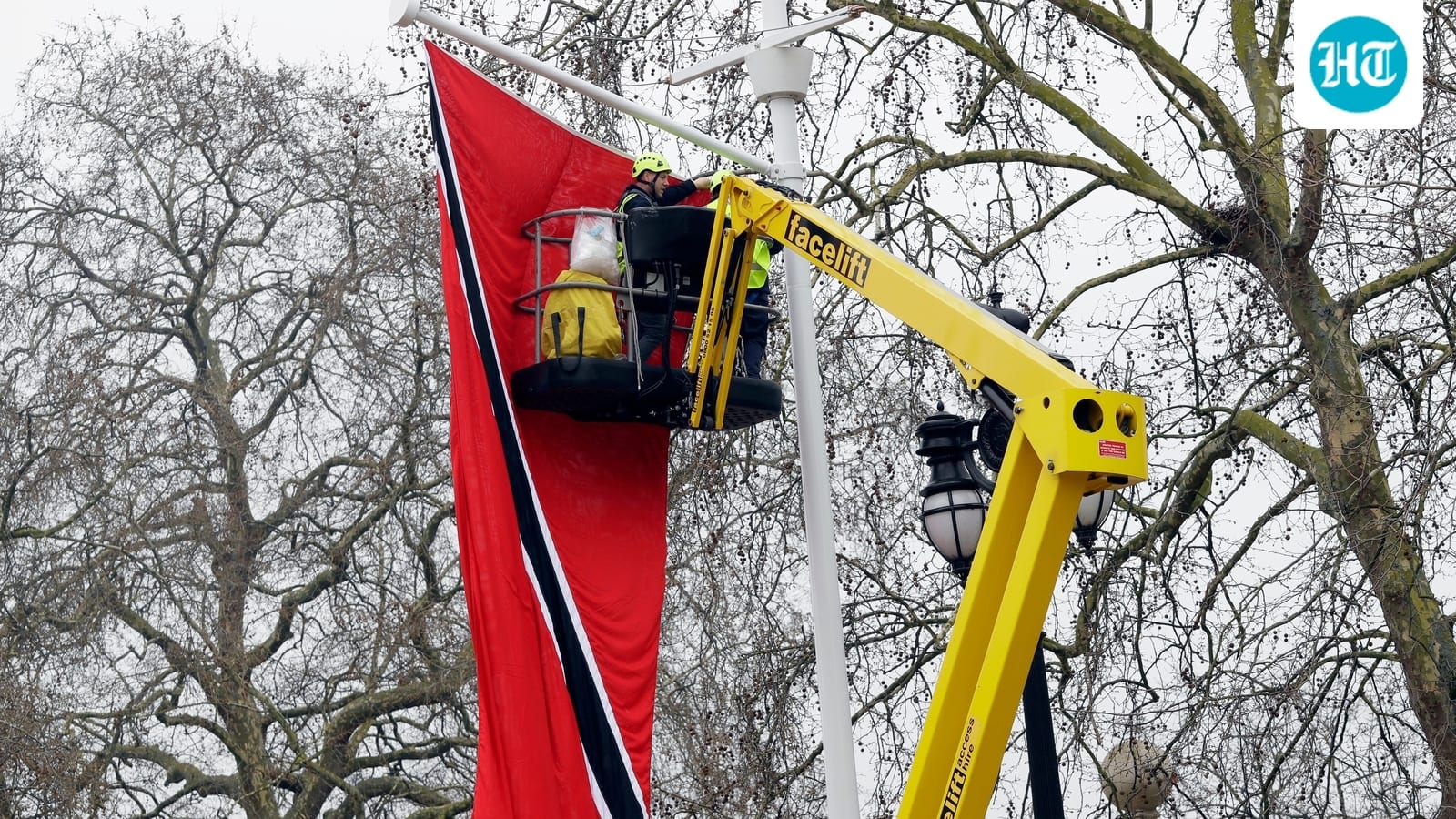
The UK's Privy Council has struck down a colonial-era law criminalizing homosexuality in Trinidad and Tobago, marking a historic victory for LGBTQ+ rights. This final, non-appealable ruling concludes a decade-long legal battle initiated by activist Jason Jones.
A Landmark Shift in Caribbean Human Rights
The Judicial Committee of the Privy Council, serving as the final court of appeal for Trinidad and Tobago, has delivered a watershed moment for civil liberties by striking down colonial-era laws that criminalized homosexuality. This decision marks the culmination of a nearly decade-long legal crusade, effectively dismantling statutes that had persisted since the nation’s time as a British colony. By removing these prohibitions, the court has signaled a definitive end to state-sanctioned discrimination rooted in an antiquated legal framework.
The Legal Foundation of the Challenge
The legal challenge, spearheaded by activist Jason Jones in February 2017, hinged on the argument that the so-called “buggery” laws were fundamentally unconstitutional. These statutes, inherited from British rule, were increasingly viewed as incompatible with modern human rights standards. The Privy Council's ruling serves as a vital judicial intervention, reinforcing the principle that individual freedoms must supersede laws that lack contemporary justification.
Judicial Reasoning and Societal Values
In his delivery of the ruling, Judge Philip James Sales articulated a clear mandate for modern governance: "Those laws cannot be regarded as reasonably justifiable in a society that has a proper respect for the rights and freedom of the individual." This statement underscores a shift in legal philosophy, prioritizing the protection of the individual over the maintenance of archaic moral codes. The court’s decision establishes a precedent that regional laws must align with constitutional protections, rather than historical legacies.
The End of a Decade-Long Struggle
This victory is the result of ten years of persistent advocacy and litigation. The fact that this ruling is final and cannot be appealed provides a sense of absolute closure to the legal battle. For LGBTQ+ activists in Trinidad and Tobago and across the globe, this success represents not just a change in the statute books, but a validation of their humanity and a significant step toward equality within the Caribbean legal landscape.
Broader Implications and Future Trends
Beyond the borders of Trinidad and Tobago, this ruling carries significant weight for other nations still grappling with similar colonial-era legislation. It serves as a powerful signal that the global movement toward decriminalization is gaining institutional momentum. As other jurisdictions observe this transition, the pressure to evaluate and repeal discriminatory laws of colonial origin will likely intensify, potentially sparking a wider trend of legislative reform across the Commonwealth.
Conclusion
The overturning of these laws is a historic triumph that reshapes the legal and social fabric of Trinidad and Tobago. By delegitimizing laws that historically suppressed the rights of the LGBTQ+ community, the Privy Council has paved the way for a more inclusive society. This decision stands as a testament to the power of sustained legal activism and the evolving nature of human rights in the 21st century.
Verification Required?