Not enough water for UK’s datacentre plans, trade body says
Source Entity
Pippa Neill Environment reporter
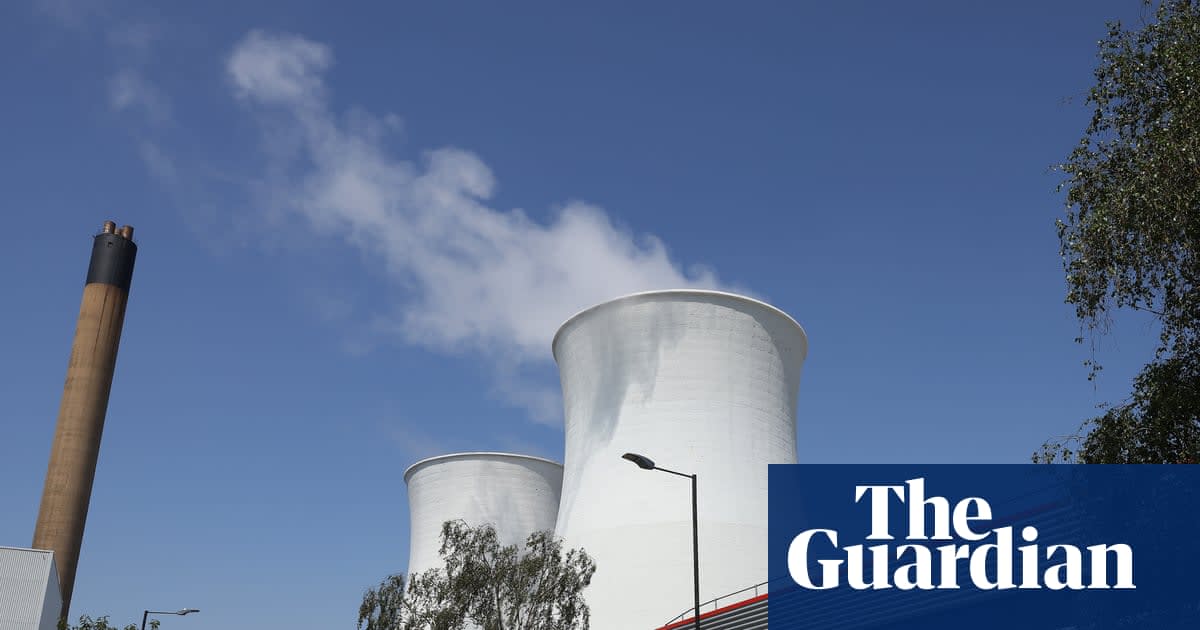
The UK water industry has warned that government AI expansion plans are unsustainable due to a critical lack of water resources. Water UK claims official forecasts ignore the massive cooling requirements of datacentres, creating a major infrastructure deficit.
The Hidden Resource Conflict in UK AI Strategy
Recent warnings from Water UK, the trade body representing British water companies, have cast a shadow over the UK government's ambitious AI growth strategy. The core of the issue lies in a fundamental disconnect between the digital requirements of modern computing and the physical reality of the UK’s water infrastructure. While the government promotes the expansion of AI zones and scientific research hubs, the industry responsible for supplying the necessary cooling resources suggests that these plans are built upon a foundation of incomplete data.
The Mechanics of Datacentre Cooling
To understand the severity of this warning, one must look at the operational requirements of modern datacentres. Unlike older server rooms, modern high-density AI clusters generate immense amounts of heat. This heat is managed through cooling towers, advanced chillers, and humidification systems that require vast, continuous supplies of water. Furthermore, the indirect consumption—water required to generate the electricity that powers these facilities—adds a secondary layer of strain on the national grid and its associated water-intensive power production methods.
A Critique of Policy Oversight
Water UK has explicitly characterized the government’s current water forecasts as “fatally flawed.” The primary concern is that official policy documents, including those for AI growth zones and scientific research, fail to account for the massive water footprint of these facilities. By omitting datacentres from these projections, the government has essentially planned for a digital future without ensuring the physical utility capacity to support it.
The Broader Implications for Infrastructure
This oversight raises significant questions about the long-term sustainability of the UK's tech sector. If the infrastructure cannot meet the cooling demands of new datacentres, the government may face a forced choice between slowing its AI progress or risking localized water shortages. This conflict highlights the need for a more integrated approach to industrial policy, where digital ambitions are strictly balanced against environmental and utility constraints.
Future Trends and Strategic Alignment
Looking ahead, the tension between AI development and utility management is likely to increase. Future policy must incorporate rigorous water-use modeling into the initial planning stages of any high-tech development project. As datacentres become more prevalent, the industry will likely be pressured to adopt water-neutral or low-water cooling technologies to mitigate their impact on local reservoirs and public supply. The failure to address this now could lead to regulatory bottlenecks that stifle the very innovation the UK government seeks to cultivate.