Stellantis taps Mobileye for hands-free driving assist
Source Entity
Andrew J. Hawkins
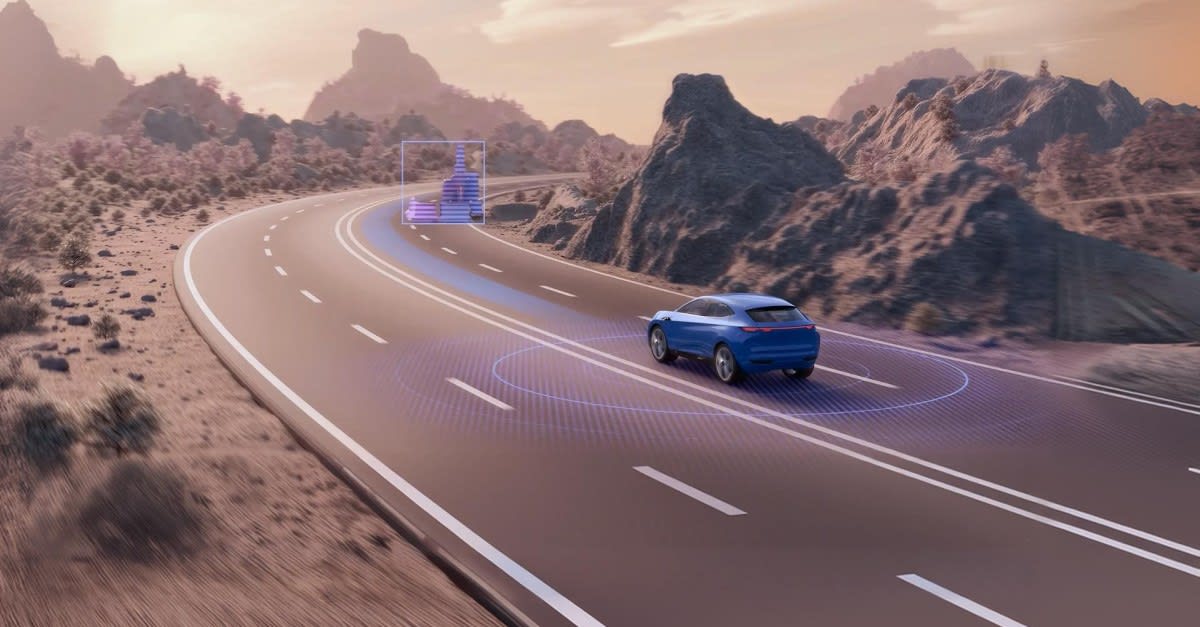
Stellantis has partnered with Intel's Mobileye to integrate advanced Level 2 hands-free driving technology into its vehicle fleet starting in 2027. The collaboration will utilize EyeQ chips and real-time mapping data to enhance autonomous driving capabilities across the company's various brands.
The Future of Stellantis: A Strategic Shift Toward Automation
Stellantis, the automotive conglomerate behind brands like Jeep, Chrysler, and Fiat, has officially announced a significant partnership with Intel’s subsidiary, Mobileye. By integrating Mobileye’s specialized technology, Stellantis aims to bolster its Level 2 hands-free driving capabilities. This move marks a pivotal moment for the automaker as it attempts to remain competitive in an increasingly software-defined automotive market.
The Technological Foundation: EyeQ and REM
The core of this partnership centers on two primary technologies: the EyeQ system-on-a-chip and the Road Experience Management (REM) program. The EyeQ chip serves as the processing brain, capable of handling complex sensor data required for semi-autonomous operations. Concurrently, the REM program acts as a crowdsourced data engine, utilizing real-time information from vehicles equipped with Mobileye sensors to build a comprehensive, global 3D map. This dynamic mapping is essential for maintaining safety and precision in varying road conditions.
Scaling Autonomous Capabilities
Starting in 2027, the rollout will enable "hands-free, eyes-on" driving, alongside intelligent lane-keeping features. A notable aspect of this implementation is the ability to navigate unmarked roads within designated areas. By focusing on Level 2 automation—which requires the driver to remain attentive—Stellantis is prioritizing a pragmatic approach to autonomous integration, balancing driver assistance with regulatory and safety constraints.
Strategic Implications for the Automotive Industry
The automotive industry is currently undergoing a massive transition from mechanical innovation to software-centric platforms. By outsourcing the underlying mapping and processing architecture to an industry leader like Mobileye, Stellantis can expedite its time-to-market for advanced driver-assistance systems (ADAS). This strategy allows the automaker to focus its internal resources on vehicle design and brand-specific experiences while leveraging proven, scalable technology from a specialized partner.
Challenges and Future Outlook
While the 2027 timeline provides a clear roadmap, the success of this initiative will depend on the density of data gathered through the REM program. As more vehicles hit the road equipped with these sensors, the map fidelity will increase, theoretically making the driving experience smoother and more reliable. However, the company will also face the challenge of integrating these complex systems across a diverse portfolio of international brands, ensuring consistency and safety for consumers globally.
Conclusion
This collaboration between Stellantis and Mobileye represents a calculated step forward in the race toward intelligent transportation. By combining hardware efficiency with the power of crowdsourced data, Stellantis is positioning itself to provide modern, tech-forward driving experiences. As we look toward 2027, this partnership will likely serve as a benchmark for how traditional automakers adapt to the demands of the digital age.