Is UK facing drought for second summer in a row?
Source Entity
BBC News
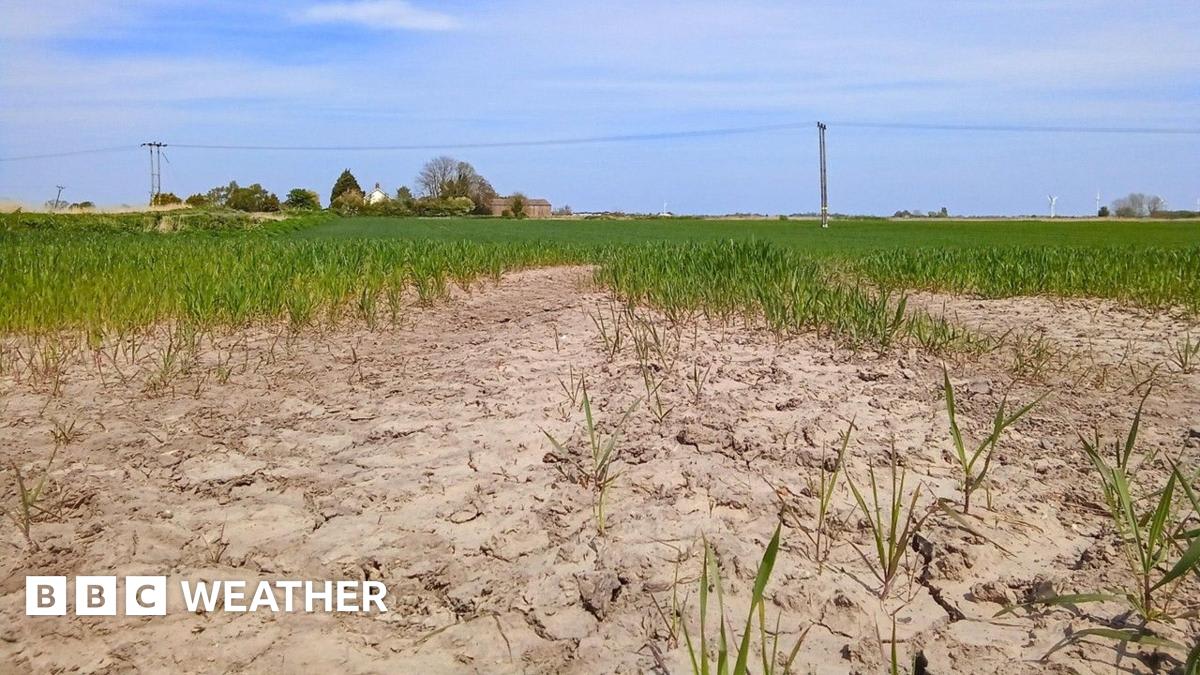
The UK is experiencing its longest dry spell since 1995, following an exceptionally hot summer and a dry spring. Concerns are growing over the potential for a second consecutive year of drought as long-range forecasts show little relief.
The Specter of Consecutive Droughts in the UK
The United Kingdom is currently grappling with a climate anomaly that has seen central England endure its longest dry spell in over three decades. With meteorological data confirming that the run of dry days is the most significant since 1995, the nation finds itself on the precipice of a recurring environmental crisis. This period of extreme heat and lack of precipitation is not merely a seasonal fluctuation; it represents a concerning trend that mirrors the conditions faced during the previous summer, sparking fears of a systemic shift in British weather patterns.
The Geography of Aridity
While the entire UK has felt the impact of rising temperatures, the crisis is geographically concentrated. England, Wales, and eastern Scotland have emerged as the epicenters of this dryness. These regions, which also experienced a notably parched spring, are now facing the compounding effects of a cumulative precipitation deficit. The lack of moisture in the soil, coupled with three distinct, widespread heatwaves, has created a high-pressure environment that is resistant to the typical Atlantic weather fronts that usually bring relief to the British Isles.
Meteorological Outlook and Immediate Challenges
Looking at the immediate horizon, the forecast remains bleak. Meteorological models indicate that very little rainfall is expected throughout the current week. While some coastal areas may see minor, localized light showers, these are statistically insufficient to alleviate the systemic drought conditions building inland. The absence of significant rainfall means that water tables will continue to deplete, placing increased pressure on local infrastructure and agricultural sectors that rely on consistent moisture levels.
Historical Context and Long-Range Implications
The historical significance of this event cannot be overstated. By comparing current data to the 1995 benchmark, experts are forced to consider whether the UK is entering a new era of 'serial drought.' When a dry spring is immediately followed by a heat-intensive summer, the soil's ability to retain water is severely compromised, leading to rapid evaporation and increased fire risks. This pattern is becoming a litmus test for the country's water management policies, which were designed for a more temperate, predictable climate.
Future Trends and Resilience
As the second half of summer approaches, the long-range predictions remain a focal point for government agencies and environmental scientists. The prospect of a second consecutive drought year suggests that historical norms are no longer reliable indicators of future weather. Future trends will likely require a pivot toward more aggressive water conservation strategies and a reevaluation of agricultural resilience. The current situation serves as a stark reminder of the vulnerability of the UK's water infrastructure to prolonged periods of meteorological extremes.