UK humanitarian worker monitored for Ebola in London hospital
Source Entity
BBC News
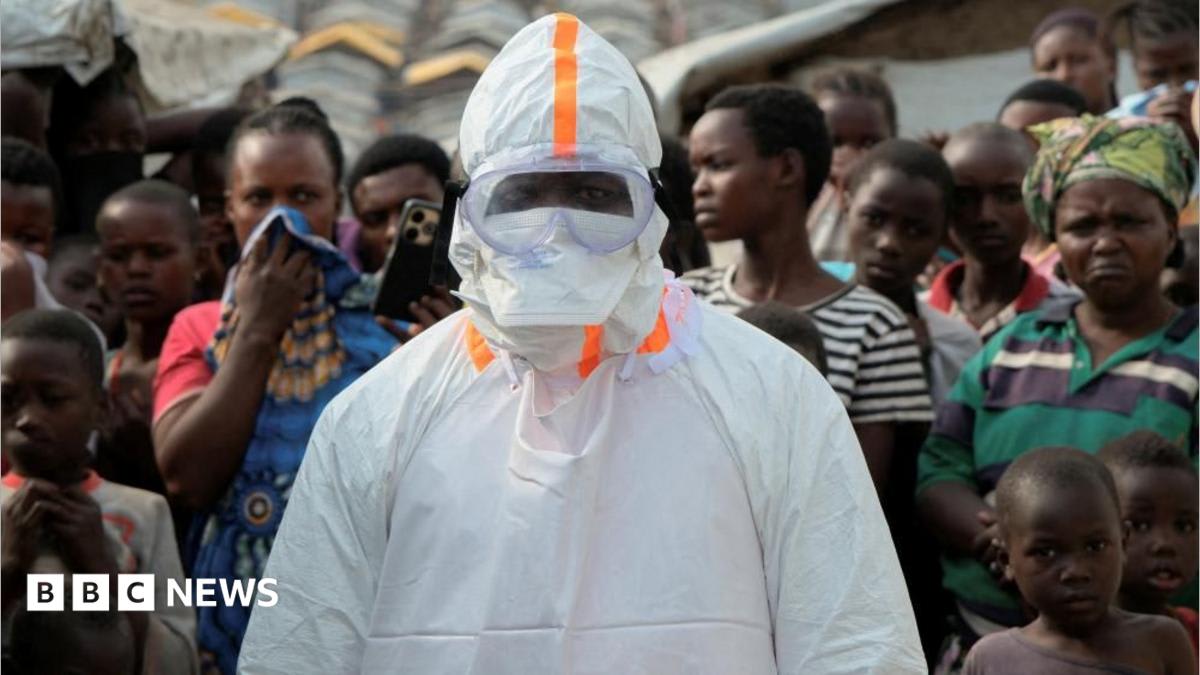
A UK humanitarian worker who was potentially exposed to Ebola in the Democratic Republic of the Congo has been medically evacuated to London. The individual is currently asymptomatic and remains under precautionary isolation and monitoring by specialists.
Precautionary Evacuation of Humanitarian Worker Following Ebola Exposure
The Incident Overview
A UK-based humanitarian worker has been medically evacuated from the Democratic Republic of the Congo (DRC) to a specialist hospital in London after a potential exposure to the Ebola virus. This evacuation was conducted as a highly precautionary measure by the UK Health Security Agency (UKHSA) to ensure the individual receives expert assessment in a controlled environment. The worker, who was treating patients in the DRC, is currently not displaying any symptoms and remains in good health.
Stringent Monitoring Protocols
According to the UKHSA, the individual is being held in isolation under the care of infectious disease specialists. While the specific medical facility has not been publicly identified, the Royal Free Hospital in north London is widely recognized as the national center for high-consequence infectious diseases, possessing specialized isolation units designed for such scenarios. The monitoring process is essential because the incubation period for Ebola—the time between infection and the onset of symptoms—ranges from two to 21 days.
Contextualizing Ebola Risk
Ebola remains a severe, often fatal viral hemorrhagic fever that frequently impacts regions within the DRC. Humanitarian workers operating in these areas face significant risks despite rigorous safety protocols. The decision to charter a flight solely for this evacuation underscores the UK government's commitment to protecting both its citizens and public health security at home. By isolating the individual immediately, the UKHSA is effectively mitigating any potential risk of community transmission, even though the risk remains statistically low given the absence of symptoms.
Broader Implications for Global Health Workers
This event highlights the inherent dangers faced by international aid workers who provide critical medical care in high-risk zones. The coordination between international humanitarian organizations and national health agencies like the UKHSA is a vital component of global outbreak management. Such precautionary measures are standard practice to ensure that those who risk their lives in volatile health environments are afforded the highest standard of care should a potential exposure occur.
Future Trends and Preparedness
As global health threats continue to evolve, the ability to rapidly assess and isolate individuals remains the cornerstone of public health defense. The UK's proactive stance in this instance serves as a case study for international preparedness. Moving forward, continued investment in high-level isolation units and rapid evacuation infrastructure will be essential for governments to maintain public safety while supporting international humanitarian efforts in regions where diseases like Ebola are endemic.