Military training sites to be investigated following rape and abuse claims at Army college
Source Entity
BBC News
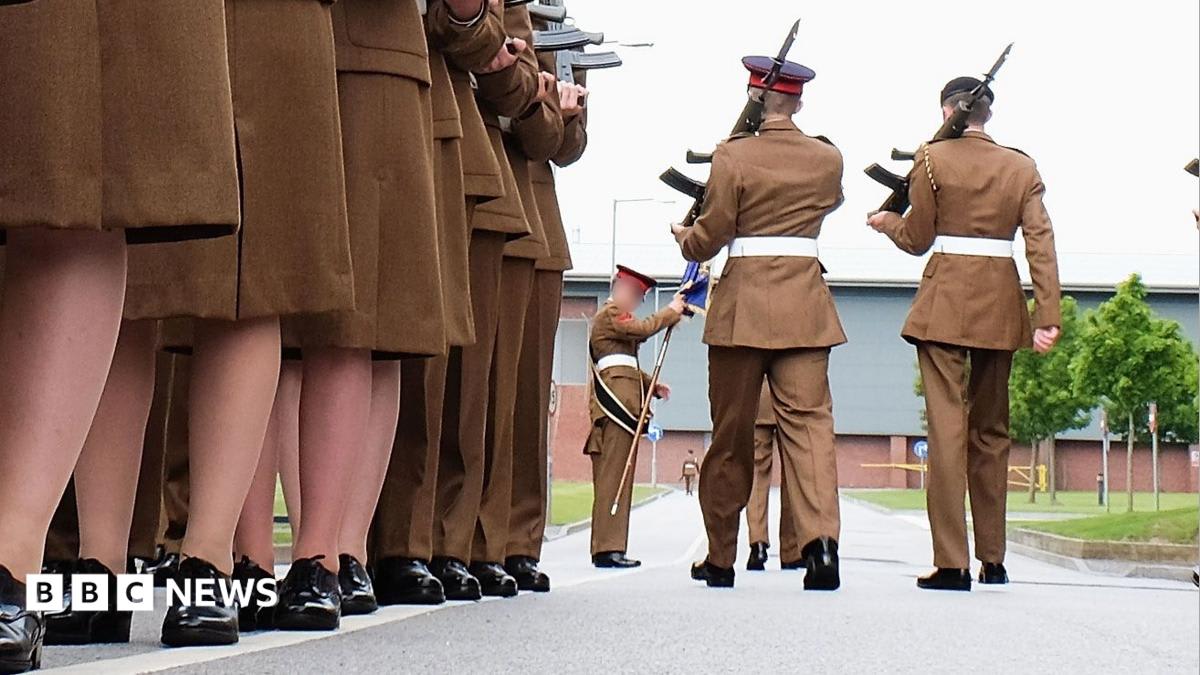
The UK Ministry of Defence is launching investigations into military training sites following allegations of sexual assault and harassment at an Army college in Harrogate. The government is prioritizing cultural reform to ensure respect and safety for all serving personnel through new oversight mechanisms.
Investigation Launched into UK Military Training Standards
The UK Ministry of Defence (MoD) has initiated a series of investigations into military training sites following harrowing reports of sexual assault and harassment. These allegations, centered on an Army college in Harrogate, were brought to light in August by four young women who shared their experiences with the BBC. This development has forced a critical examination of the internal culture governing the earliest stages of military service.
The Challenge of Phase One Training
Phase one training represents a pivotal transition for recruits entering the armed forces from a diverse range of socio-economic backgrounds. As noted by officials, the responsibility lies with the MoD to instill a rigorous set of values and standards that align with a modern, inclusive military. This process is intended to ensure that every individual, regardless of their background, adheres to a culture of mutual respect and professional conduct.
Political Commitment to Cultural Reform
Defence Secretary Wes Streeting has positioned the issue of military culture as a top priority, explicitly stating his ambition to lead a comprehensive transformation within the UK armed forces. His stance centers on the fundamental requirement that every woman serving in the military must be treated with respect and decency. This political pressure signals a potential shift away from historical insularity toward greater institutional accountability.
The Role of the Armed Forces Commissioner
To address systemic failures in reporting and oversight, the government has introduced the role of the Armed Forces Commissioner. This newly-created position is designed to provide an independent layer of scrutiny over the existing service complaints system. By acting as a direct, impartial point of contact, the Commissioner empowers serving personnel to raise concerns about their welfare and professional environment without fear of reprisal.
Broader Implications and Future Trends
These investigations mark a turning point for the UK military's relationship with its recruits. The transition toward independent oversight suggests that the MoD recognizes that internal grievance procedures may no longer be sufficient to protect vulnerable personnel. Future trends in military policy will likely focus on strengthening these external accountability mechanisms, ensuring that the 'values and standards' preached during training are strictly enforced at every level of the chain of command.
Conclusion
The allegations at the Harrogate college are a catalyst for long-overdue institutional introspection. By combining high-level political will with the implementation of the Armed Forces Commissioner, the MoD is attempting to modernize its culture. Ultimately, the success of these measures will be judged by the safety and security of the women and men who serve, ensuring that the military reflects the progressive values of the society it represents.