Watch: UK falls silent to mark Armistice Day
Source Entity
BBC News
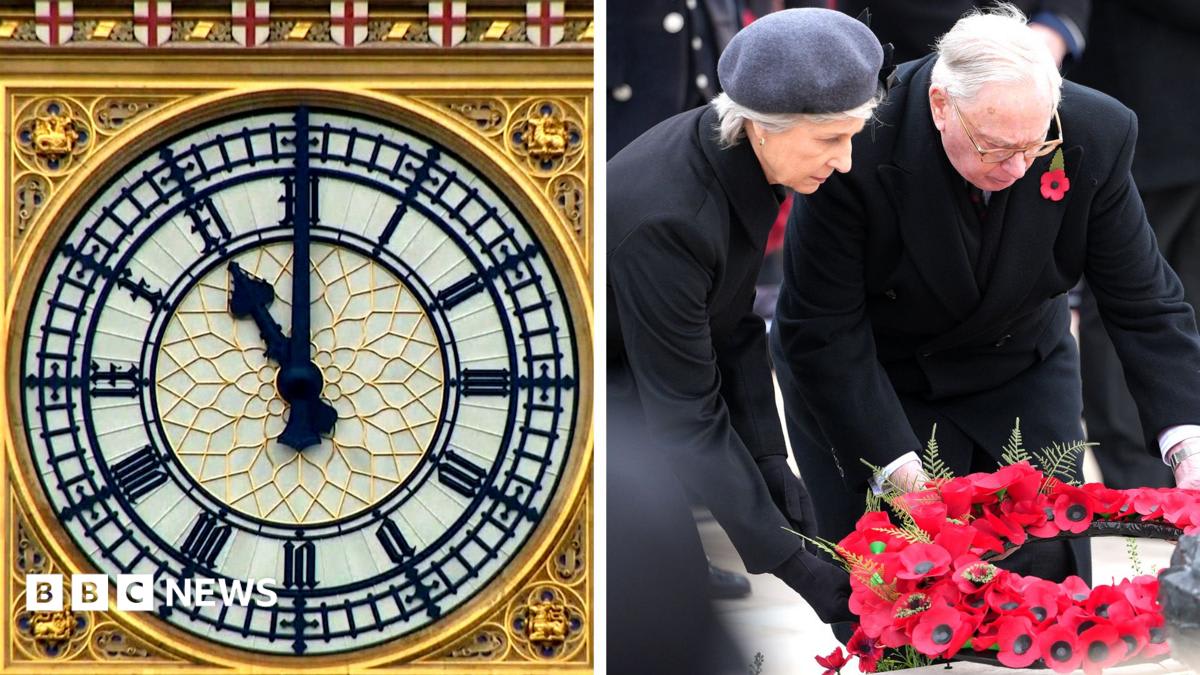
The United Kingdom observed a two-minute silence on Armistice Day to honor those lost in World War I and subsequent conflicts. Ceremonies held across the nation, including at the Cenotaph, served as a solemn reminder of the 1918 agreement that ended the Great War.
A Nation in Reflection: Observing Armistice Day
On November 11th, the United Kingdom observed a poignant two-minute silence, marking the anniversary of the Armistice that brought an end to the hostilities of World War One. This tradition, which serves as a cornerstone of British national remembrance, honors the millions who served and died in the 'Great War' and subsequent conflicts. From the bustling streets of London to the quiet corners of Belfast, Cardiff, and Edinburgh, the silence acts as a collective pause, allowing the nation to reflect on the immense human cost of global warfare.
The Historical Significance of the Armistice
The timing of the silence is deeply rooted in history, precisely commemorating the moment the Armistice went into effect at 11:00 on 11 November 1918. This agreement was not a final peace treaty, but a critical prelude to the negotiations that would ultimately reshape the geopolitical map of the 20th century. By maintaining this ritual, the UK ensures that the memory of the 1918 cessation of hostilities remains a central pillar of its national identity and historical consciousness.
Ceremonial Centers of Remembrance
While the silence is observed nationwide, certain locations serve as focal points for official remembrance. The Cenotaph in Whitehall remains the primary site, drawing government ministers, senior military officials, and representatives from the younger generation, including schoolchildren and cadets. The presence of international figures, such as Massachusetts Senate President Karen Spilka, who participated in ceremonies at Westminster, highlights the global nature of the sacrifice and the enduring alliances forged in the wake of the conflict.
Broadening the Scope of Commemoration
Beyond the capital, the Royal British Legion National Remembrance Gardens and the National Memorial Arboretum in Staffordshire hosted significant services. These locations provide a space for quiet contemplation and the laying of wreaths, such as those placed by Commons Speaker Sir Lindsay Hoyle and Lord Speaker Lord Forsyth. These acts of remembrance are vital for keeping the history of the First World War relevant to contemporary society, ensuring that the lessons learned from the sacrifice of previous generations are not lost to time.
The Future of Remembrance
As the living memory of the First World War fades, the role of these ceremonies becomes increasingly centered on education and continuity. By involving youth organizations and international dignitaries, the UK ensures that Armistice Day remains a living tradition rather than a stagnant historical footnote. The collective act of silence remains a powerful, egalitarian gesture, transcending political and social divides to unite the nation in a shared moment of respect for the fallen.