Watch: 'My flat was turned into a brothel,' landlord tells BBC Panorama
Source Entity
BBC News
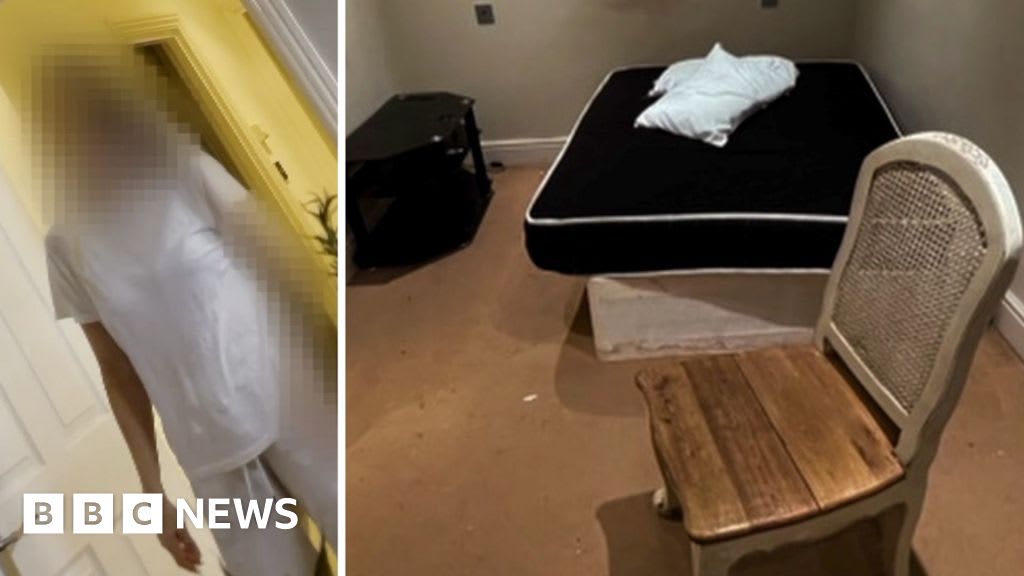
A BBC Panorama investigation reveals how organized crime gangs are infiltrating the UK private rental market. Criminals are utilizing fake IDs to seize properties for illicit activities like prostitution.
The Infiltration of the UK Rental Market
A recent investigation by BBC Panorama has shed light on a disturbing trend within the United Kingdom's private rental sector: the systematic exploitation of residential properties by organized crime syndicates. As the demand for housing remains high and the rental market continues to tighten, these criminal networks have identified significant vulnerabilities in the vetting process. By leveraging sophisticated tactics, such as the use of forged identification documents, these groups are successfully securing tenancy agreements to repurpose private homes for illegal operations.
Case Study: The Victimization of Property Owners
The documentary brings the human cost of this criminality to the forefront through the testimony of Craig Shepheard, a landlord and property developer. Shepheard’s experience serves as a harrowing example of how unsuspecting property owners can suddenly find their assets co-opted by illicit enterprises. In his case, a flat he owned was surreptitiously transformed into a brothel managed by a Brazil-based network. This incident highlights the profound lack of control landlords may face once a fraudulent tenant gains legal or physical access to their property.
The Mechanics of Fraudulent Tenancies
At the heart of this issue is the ease with which criminals can bypass standard tenant screening procedures. Reporter Hazel Martin’s investigation underscores that the use of fake IDs is not merely an occasional occurrence but a calculated methodology employed to deceive letting agents and private landlords. Because many rental agreements rely on digital or cursory physical verification of identity, these criminal entities exploit the administrative gaps in the process to establish a foothold in residential neighborhoods.
Broader Implications for the Housing Sector
The implications of these findings extend far beyond the individual experiences of landlords like Shepheard. This phenomenon threatens the integrity of the UK’s private rental market, potentially driving up costs and risks for legitimate tenants and property owners alike. Furthermore, the conversion of residential units into hubs for prostitution and other organized crimes brings instability and security concerns to local communities, often without the immediate knowledge of neighbors or local authorities.
Future Trends and Regulatory Challenges
Looking forward, this investigation poses serious questions for the regulation of the UK housing market. As organized crime adapts its methods to mirror legitimate rental applications, the onus falls on stakeholders to implement more robust identity verification technologies and rigorous background checks. Without a coordinated effort between law enforcement, property associations, and the government to combat the use of fraudulent documentation, the rental market will likely remain a high-value target for criminal exploitation. The challenge lies in balancing the need for quick, efficient lettings with the necessity of ensuring that properties are not being diverted for criminal utility.