Yellow weather warnings issued for snow and ice as temperatures plummet
Source Entity
BBC News
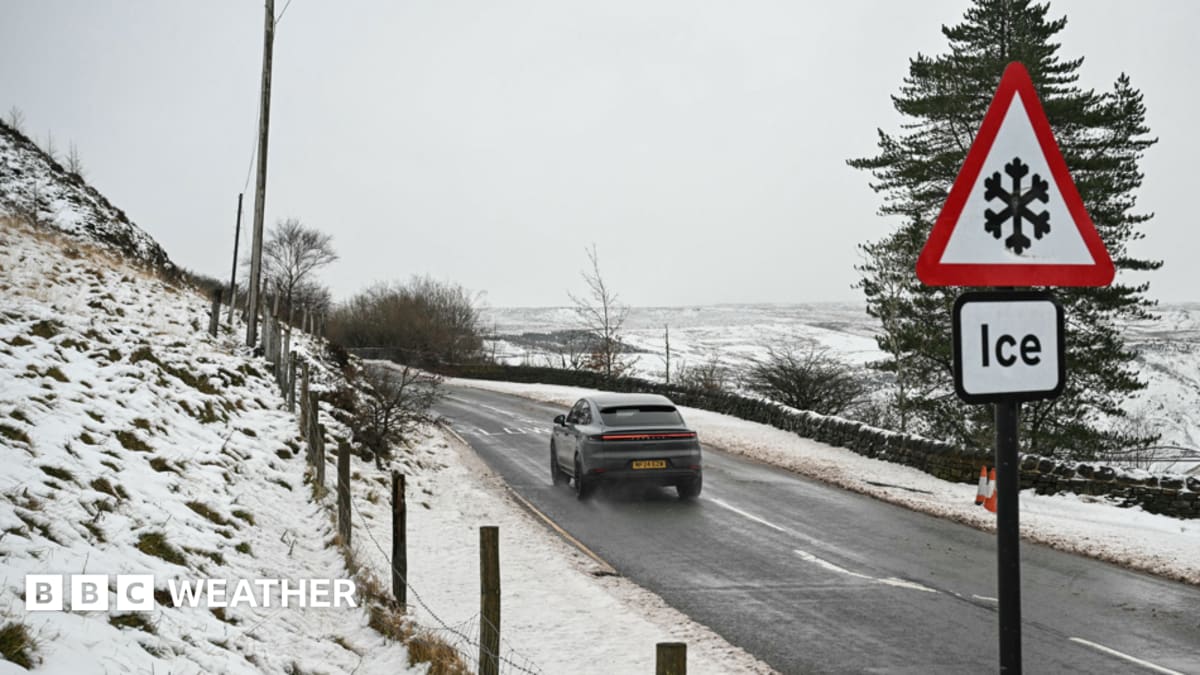
Northern parts of the UK are facing yellow weather warnings for snow and ice as Arctic air causes a sharp drop in temperatures. While the north remains under cold health alerts, southern regions are expected to see a return to milder temperatures by midweek.
Arctic Airfront Triggers Wintry Conditions Across Northern UK
As the week begins, northern regions of the United Kingdom are grappling with a significant shift in meteorological conditions. A surge of Arctic air, which moved across the country late Sunday night, has triggered a sharp decline in temperatures, prompting official weather authorities to issue yellow warnings for both snow and ice. This sudden transition underscores the volatile nature of the UK's late-season weather patterns, moving from standard conditions into a period of heightened caution for residents and travelers alike.
The Impact of Yellow Weather Warnings
The yellow weather warnings, which remained in effect through Monday morning, serve as a critical advisory for the public to exercise caution due to the high risk of ice on roads and walkways. These warnings are not merely precautionary; they signify a genuine risk of disruption to transport networks and potential hazards for pedestrians. The combination of plummeting temperatures and residual moisture creates black ice, which is notoriously difficult to detect and a primary cause of road traffic accidents during such weather events.
Public Health Implications and Agency Alerts
Beyond immediate travel risks, the cold snap has necessitated proactive intervention from national health bodies. The UK Health Security Agency (UKHSA) has maintained cold health alerts for northern England, which are slated to remain in force until Thursday evening. These alerts are designed to protect vulnerable populations, including the elderly and those with pre-existing health conditions, who are disproportionately susceptible to the physiological stresses induced by prolonged exposure to freezing temperatures.
Geographical Disparity in Weather Patterns
There is a notable geographical divide in the severity and duration of this cold spell. While the northern hills and mountains are expected to experience sustained wintry conditions, including accumulating snow, the southern regions of the UK appear to be in for a reprieve. Meteorological forecasts indicate that the chill in the south will be relatively transient, with temperatures projected to rebound to above-average levels by the middle of the week.
Future Trends and Climate Variability
This event highlights the increasing frequency of rapid temperature fluctuations that have become a hallmark of current weather patterns. While the current cold spell is expected to be short-lived in the south, the reliance on such warnings remains essential for regional preparedness. As the UK continues to navigate these shifts, the integration of real-time health alerts with meteorological data will remain a cornerstone of public safety strategy, ensuring that infrastructure and social services can adapt to the sudden onset of winter-like conditions.