Ukrainian drone strikes forced Russia to stop shipping in vital sea corridor
Source Entity
Jeremy Hsu
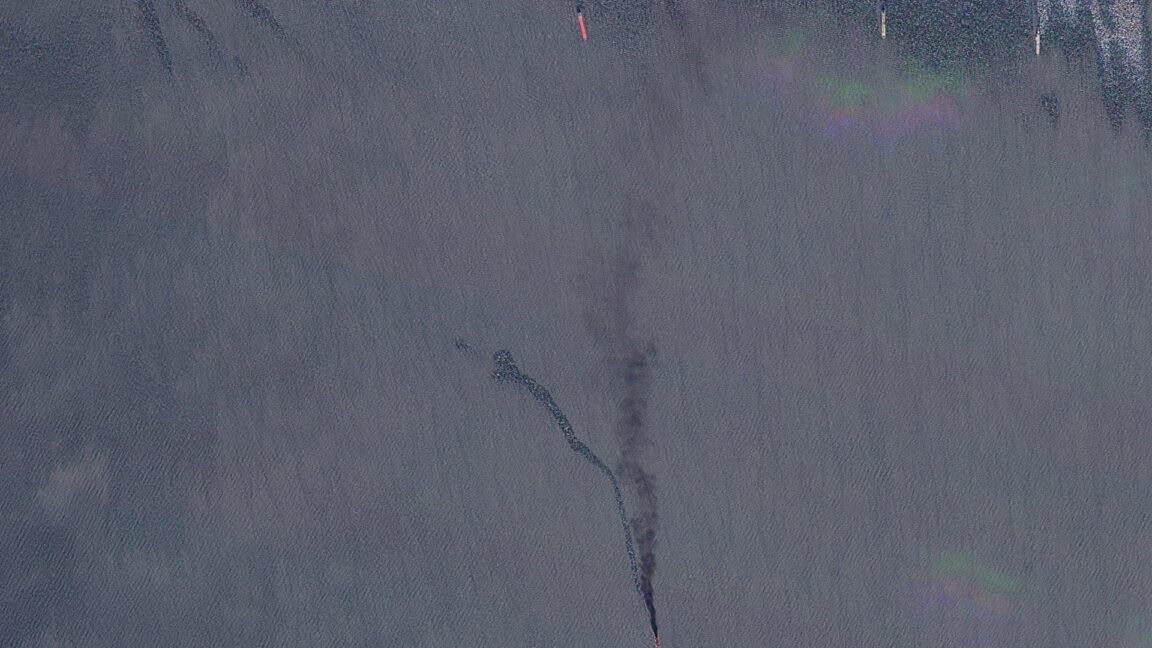
Ukraine’s drone blitz halted Russia’s Sea of Azov shipping in under a week.
Asymmetric Dominance: Ukraine's Drone Blitz in the Sea of Azov
In a significant escalation of maritime asymmetric warfare, Ukraine has successfully utilized a concentrated "drone blitz" to effectively shut down Russian shipping operations within the Sea of Azov. This development marks a critical shift in the conflict's naval dynamics, as Ukraine—possessing a severely limited conventional navy—has managed to project power and deny sea access to the Russian Federation in a vital corridor. The speed of this operation, achieving its objective in under a week, underscores the potency of unmanned aerial and surface vehicles in modern coastal warfare.
The Strategic Significance of the Sea of Azov
To understand the gravity of this disruption, one must consider the Sea of Azov's role as a logistical lifeline. For Russia, this shallow sea serves as a primary artery for transporting military hardware, fuel, and personnel to the occupied territories in southern Ukraine. By halting shipping in this corridor, Ukraine is not merely attacking ships but is actively severing the supply chains that sustain Russian frontline operations. Historically, the Sea of Azov has been a point of contention, but the current ability of Ukraine to render it impassable for Russian commercial and military vessels represents a strategic victory in maritime denial.
Tactical Analysis: The Role of Drone Technology
The use of a "drone blitz" indicates a coordinated effort to overwhelm Russian air defenses and maritime surveillance. By deploying multiple drones simultaneously or in rapid succession, Ukraine creates a saturation effect, making it nearly impossible for Russian forces to intercept every threat. This tactic transforms the sea from a safe transit zone into a high-risk environment. The psychological impact on crews and the physical risk to vessels have forced Russia to pause shipping, as the cost of losing high-value cargo or ships now outweighs the benefit of utilizing the corridor.
Economic and Logistical Implications
Beyond the immediate military impact, the cessation of shipping in the Sea of Azov triggers a cascading economic crisis for Russian logistics. With the sea corridor closed, Russia must rely on land-based rail and road networks, which are already strained and vulnerable to long-range missile strikes. This shift increases the cost of transport and slows the delivery of essential supplies. Furthermore, the disruption of commercial shipping in the region affects the export of raw materials and agricultural products, potentially impacting the regional economy and Russia's ability to maintain its administrative grip on the coastal territories.
Broader Implications for the Black Sea Theater
This event is a microcosm of Ukraine's broader strategy in the Black Sea. By demonstrating that they can neutralize Russian shipping in the Azov, Ukraine signals to the world—and to the Kremlin—that Russian naval hegemony in the region is an illusion. This mirrors previous successes where Ukrainian maritime drones forced the Russian Black Sea Fleet to relocate its headquarters and assets further away from the coast. The ability to shut down a vital corridor in under a week proves that Ukraine can effectively implement a "virtual blockade" without needing a traditional fleet of destroyers or submarines.
Future Trends and Russian Countermeasures
Looking forward, this development will likely prompt Russia to invest more heavily in electronic warfare (EW) and coastal defense systems to counter drone incursions. We can expect an increase in the deployment of signal jammers and short-range air defense systems along the Azov coastline. However, as drone technology evolves—incorporating AI for autonomous targeting and stealthier designs—the "cat-and-mouse" game will intensify. Ukraine is likely to continue refining these blitz tactics, potentially expanding them to other critical maritime nodes to further isolate Russian forces.
Conclusion
Ukraine's successful disruption of Russian shipping in the Sea of Azov is a masterclass in asymmetric warfare. By leveraging drone technology to achieve rapid results, Ukraine has turned a geographical vulnerability into a strategic advantage. This halt in shipping not only cripples immediate Russian logistics but also reshapes the geopolitical narrative of the conflict, proving that technological innovation can overcome traditional naval superiority.