"Fossil Fuels Must Go The Way Of Dinosaurs": UN Chief At COP31
Source Entity
NDTV News Search Records Found 1000
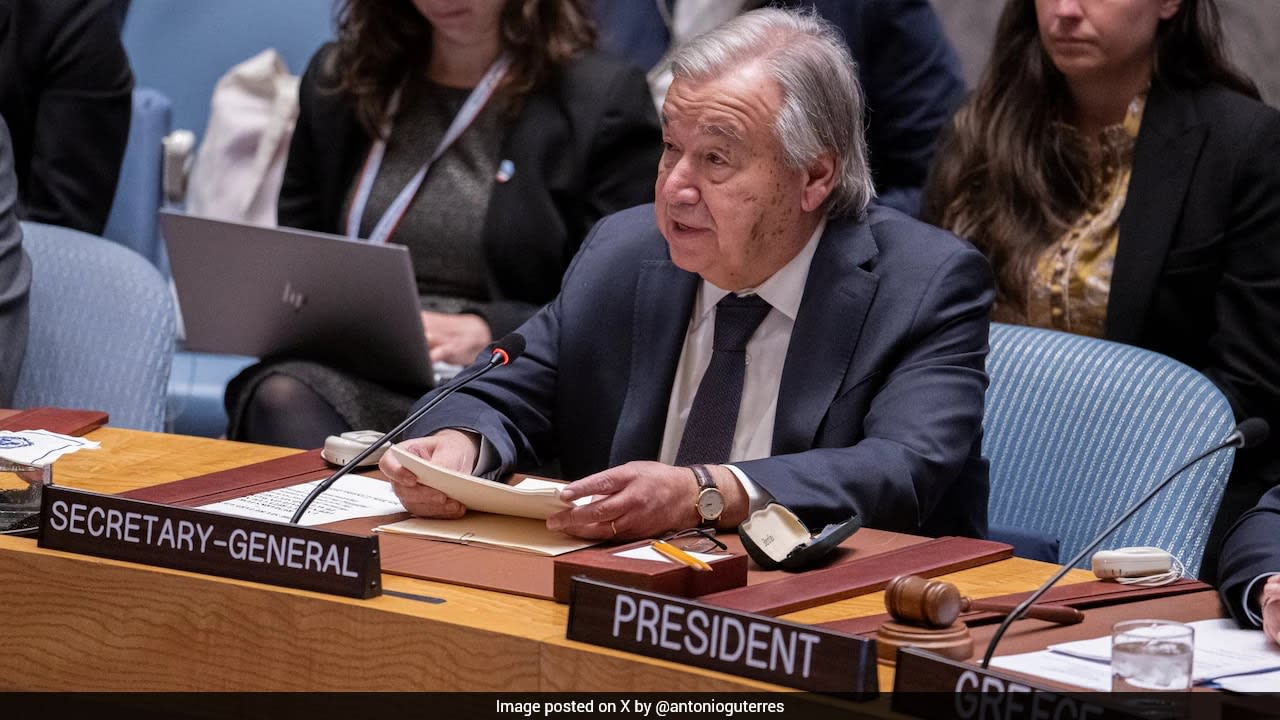
UN Secretary-General António Guterres has issued a stark call for the global phase-out of fossil fuels at COP31. The summit is notable for the absence of key leaders, including Canada's Mark Carney and Japan's Sanae Takaichi.
The Call for a Fossil-Free Future at COP31
At the recent COP31 climate summit, UN Secretary-General António Guterres delivered a blistering critique of the global reliance on hydrocarbons, declaring that fossil fuels must go the way of the dinosaurs. This uncompromising rhetoric signals a shift in the United Nations' approach toward climate policy, moving from incremental reduction targets to a demand for a fundamental systemic transformation. By framing the fossil fuel industry as an evolutionary relic, the UN is attempting to shift the moral and economic narrative surrounding energy production, positioning renewable transitions not merely as an environmental choice, but as an existential imperative.
Notable Absences and Diplomatic Implications
The summit is currently marked by the conspicuous absence of several high-profile political figures. Reports indicate that Canadian Prime Minister Mark Carney and Japanese leader Sanae Takaichi are not present on the most recent list of attendees. The absence of such influential figures from major G7 economies raises questions regarding the consistency of international commitment to the climate goals set forth in previous COP agreements. When leaders of industrialized nations skip these pivotal negotiations, it risks undermining the collective bargaining power of the summit and creates uncertainty regarding the implementation of national decarbonization strategies.
The Economic Conundrum of Decarbonization
The push to phase out fossil fuels faces significant headwinds due to the entrenched nature of global energy infrastructure. The UN’s stance implies that the transition will require not just a change in technology, but a complete overhaul of global supply chains and economic dependencies. For nations like Canada and Japan, balancing the urgent need for emissions reduction with the maintenance of energy security and economic stability remains a complex diplomatic challenge. The absence of key leadership at COP31 suggests that these nations may be navigating internal political or economic pressures that conflict with the aggressive timelines proposed by the UN.
Historical Context of COP Summits
Historically, COP summits have served as the primary theater for international climate diplomacy, evolving from the early framework of the Kyoto Protocol to the more flexible, pledge-based model of the Paris Agreement. Guterres’s recent comments reflect a growing frustration within the UN hierarchy regarding the pace of progress. By invoking the extinction of dinosaurs, the Secretary-General is employing a rhetorical device aimed at emphasizing that those who fail to adapt to the changing climate landscape face economic obsolescence. This reflects a broader trend where international bodies are adopting more alarmist and urgent language to catalyze action.
Future Trends in Climate Diplomacy
Looking ahead, the success of COP31 will likely be measured by whether the remaining delegates can reconcile the UN’s ambitious vision with the pragmatic limitations of individual member states. The trend toward 'absenteeism' among world leaders could signal a fragmentation of the global climate movement, where regional economic interests begin to supersede collective global targets. If the international community continues to see key leaders prioritize domestic issues over the global stage, we may see a decline in the efficacy of the COP process, necessitating a shift toward smaller, bilateral climate agreements between nations that remain fully committed to the energy transition.
Conclusion: A Critical Juncture
The assertion that fossil fuels must be relegated to history is a bold challenge to the status quo of the global energy market. While the UN continues to provide the necessary framework for dialogue, the absence of influential leaders like Mark Carney and Sanae Takaichi underscores the fragility of these international efforts. As the world moves forward, the disconnect between the urgency of the climate crisis and the political realities of global governance will remain the defining friction point in the fight against climate change.
Verification Required?