'Polluters must pay': UN chief urges govt to tax oil giants’ profits to fund climate action
Source Entity
Latest News: Todays Latest News Headlines from India & World | Hindustan Times
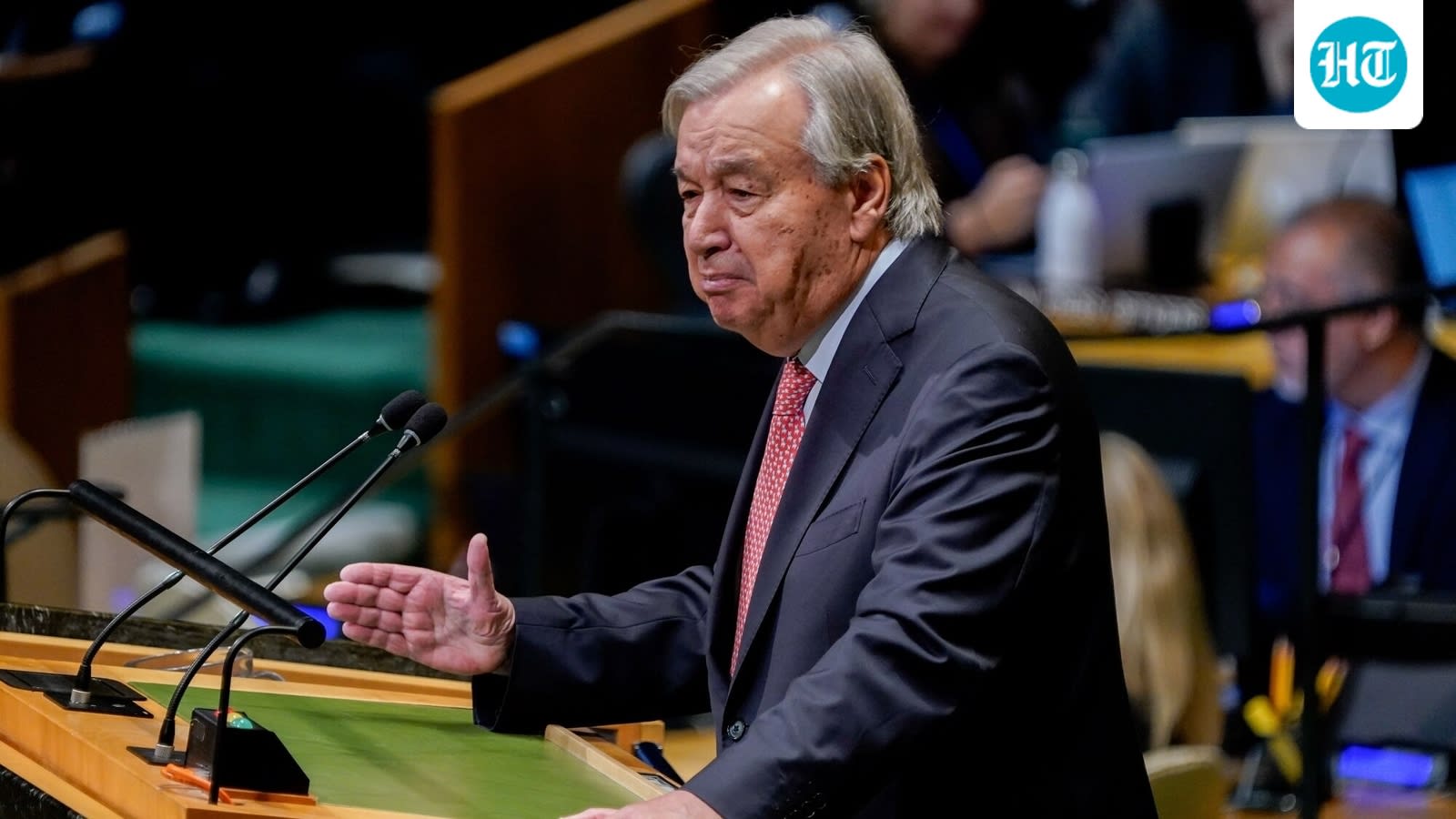
UN Secretary-General Antonio Guterres has called for taxing fossil fuel giants to fund urgent climate action. This appeal follows warnings that the critical 1.5C warming threshold is now likely to be exceeded.
The Call for Climate Accountability
United Nations Secretary-General Antonio Guterres has issued a stark ultimatum to the global community, urging governments to impose taxes on the windfall profits of oil giants to finance essential climate mitigation and adaptation strategies. This policy proposal comes at a critical juncture, as the UN recently confirmed that the world is no longer on track to prevent global warming from exceeding the 1.5C threshold established by the Paris Agreement. Guterres’s call to action is not merely a fiscal suggestion but a moral imperative aimed at shifting the financial burden of climate remediation onto the entities most responsible for historical emissions.
The Failure of Current Climate Benchmarks
The admission that the 1.5C limit is effectively out of reach represents a significant shift in international climate discourse. For years, this threshold served as the primary target for global policy, intended to prevent the most catastrophic outcomes of climate change. The inability to maintain this target underscores a profound disconnect between international climate pledges and the realities of global carbon output. As the UN emphasizes, this failure necessitates not a resignation to fate, but an intensification of global efforts to combat the accelerating climate crisis.
Documenting the Human and Ecological Toll
The urgency of Guterres’s message is grounded in the devastating climate-related events observed throughout the year. From lethal heat waves across Europe to catastrophic wildfires and the recent, tragic glacier collapse in Nepal, the physical evidence of planetary heating is undeniable. These events have resulted in tens of thousands of deaths and widespread environmental destruction, serving as a grim preview of the future if systemic changes are not implemented immediately. The human cost of these disasters has become a central pillar in the argument for holding major polluters financially accountable.
Mobilizing Resources Through 'Polluter Pays' Principles
By advocating for taxes on oil giants, the UN is attempting to bridge the massive funding gap required for climate action. Developing nations, in particular, often bear the brunt of climate change despite contributing the least to historical emissions. Redirecting profits from the fossil fuel industry into a global climate fund could provide the necessary capital for infrastructure resilience, renewable energy transitions, and disaster relief. This 'polluter pays' approach seeks to institutionalize corporate responsibility within the framework of global environmental governance.
The Path Forward: COP31 and Beyond
Speaking at the COP31 climate negotiations in Antalya, Turkey, Guterres underscored that science demands a renewed commitment to the fight against climate change. The summit serves as a platform for world leaders to reconcile their previous failures with the immediate need for aggressive emission reductions. The discourse in Antalya reflects a transition from passive goal-setting to an active search for the financial and political mechanisms required to survive a warming world. Future global trends will likely be defined by the success of these negotiations in translating corporate accountability into tangible, large-scale environmental policy.
Verification Required?