What is spiritual yoga? Experts explain why it's more than physical poses
Source Entity
Latest News: Todays Latest News Headlines from India & World | Hindustan Times | Hindustan Times
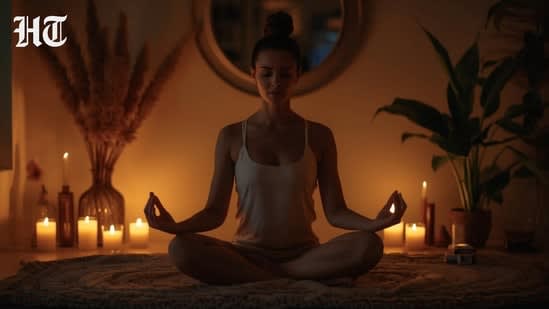
Yoga is increasingly recognized as a comprehensive spiritual practice rather than just a physical workout. Experts argue that integrating breath, meditation, and self-awareness is essential to unlocking the full potential of this ancient tradition.
Beyond the Mat: Reclaiming the Spiritual Essence of Yoga
In contemporary society, yoga has largely been commodified as a fitness trend, often reduced to a sequence of physical poses performed on a mat. However, spiritual leaders like Sadhguru, the founder of the Isha Foundation, argue that this perspective represents a significant misconception. By prioritizing the aesthetic and physiological benefits of 'asana,' the modern practitioner often overlooks the profound, multi-dimensional nature of a discipline that was originally designed for spiritual transcendence rather than mere physical exertion.
Understanding the Roots of Yogic Tradition
The historical context of yoga reveals a practice rooted in ancient traditions that viewed the body as a vehicle for higher consciousness. These traditions do not separate the physical from the metaphysical; instead, they treat the body, breath, and mind as an integrated system. When yoga is practiced solely as exercise, it functions as a form of physical therapy or athletic training. However, when the deeper roots are acknowledged, the practice shifts toward self-awareness, conscious living, and internal alignment, transforming the practitioner's relationship with their own consciousness.
The Role of Breath and Meditation
At the core of a comprehensive yoga practice lies the mastery of 'prana' or life force, facilitated through breathwork, and the stillness attained through meditation. While the modern consumer focus remains on flexibility and strength, experts emphasize that these are merely preparatory states. True yoga involves moving beyond the external muscles to engage with internal energy centers, such as the seven chakras. By integrating breath and meditative awareness, practitioners can move beyond the limitations of a workout and begin a journey of internal exploration that addresses stress at its psychological and spiritual roots.
Bridging the Gap Between West and East
There is a notable divide in how yoga is perceived in the Western world versus its traditional origins. In many Western contexts, the emphasis is on the 'workout' aspect, driven by the need for stress management and physical health. Sadhguru and other proponents of traditional yogic systems suggest that this is a fragmented approach. Bridging this gap requires a paradigm shift: viewing the mat not as a gym floor, but as a space for internal observation. This shift allows for a more holistic experience that integrates the physical, mental, and spiritual aspects of human existence.
Implications for Modern Well-being
The implications of viewing yoga as a spiritual path are significant for public health and personal development. When individuals treat yoga as a comprehensive lifestyle rather than a quick fix for flexibility, they often report deeper, more sustainable benefits. By embracing the full spectrum of yogic practices—including meditation and self-awareness—practitioners can develop a more resilient mental state. As we move forward, the trend toward 'spiritual yoga' suggests a growing societal interest in mindfulness and holistic health, moving away from high-intensity fitness fads and toward practices that offer long-term spiritual grounding.
Verification Required?