'Memory of the World': Rajatarangini, Mahabharata & Arthashastra get UN recognition
Source Entity
PRANJAL PANDEY
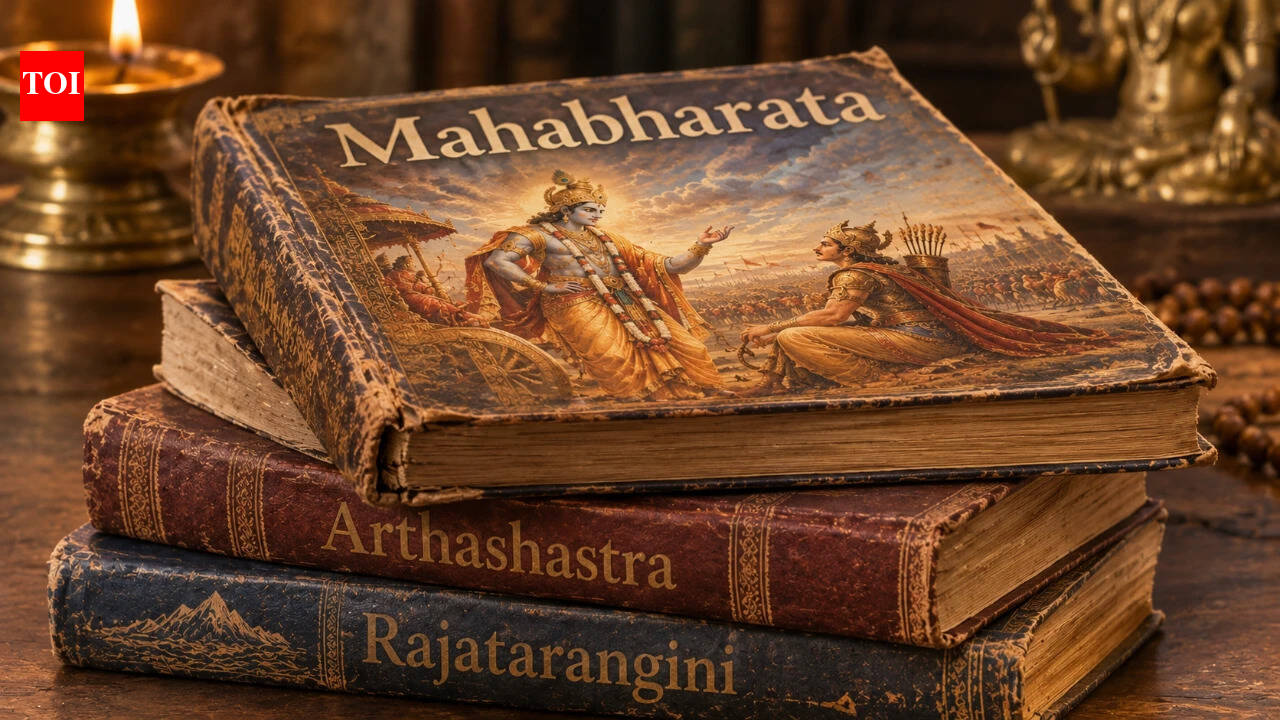
UNESCO has officially added India's Rajatarangini, Mahabharata, and Arthashastra to the Memory of the World Regional Register. This recognition aims to foster the preservation and digitization of India's ancient intellectual and governance heritage.
UNESCO Honors India’s Literary Heritage
In a significant development for global cultural preservation, three cornerstones of Indian literature—Kalhana’s Rajatarangini, the Mahabharata, and Kautilya’s Arthashastra—have been officially inscribed in the UNESCO Memory of the World Regional Register. The decision was formalized during the 11th session of the Memory of the World Committee for Asia and the Pacific (MOWCAP) held in Jakarta, Indonesia. This recognition marks a pivotal moment in acknowledging the depth and continuity of India's intellectual traditions on the international stage.
The Significance of the Inscribed Works
Each of these texts represents a profound pillar of human knowledge. The Rajatarangini, a 12th-century chronicle by Kalhana, is widely regarded as the first true historical text of India, providing a chronological account of the kings of Kashmir. The Mahabharata, one of the two major Sanskrit epics of ancient India, serves as an unparalleled repository of philosophical, ethical, and sociological insights. Finally, Kautilya’s Arthashastra remains a foundational treatise on statecraft, economic policy, and military strategy, offering governance principles that continue to be studied by political scientists today.
Preserving Intellectual Traditions
By including these works in the Memory of the World Register, UNESCO emphasizes their universal value and the urgent need for their protection. These inscriptions are not merely symbolic; they act as a catalyst for systematic efforts to preserve and digitize India’s vast manuscript heritage. In an era where physical documents face the threats of degradation, climate change, and neglect, digitization ensures that the wisdom contained within these ancient pages remains accessible to scholars and the public worldwide.
A Broader Strategy for Cultural Diplomacy
This recent announcement is part of a larger, ongoing effort by India to document its literary legacy. Following successful recognitions in 2024 for other regional works, the current inclusion of these three texts underscores a sustained diplomatic push to highlight India's contribution to global intellectual history. This initiative aligns with the Memory of the World program's broader mission to protect documentary heritage against collective amnesia, neglect, and the passage of time.
Future Implications and Digital Access
Looking ahead, the inclusion of these texts in the regional register will likely accelerate resource allocation for conservation projects. By bringing these manuscripts under the UNESCO umbrella, India can leverage international expertise in archival science and digital restoration. Furthermore, this recognition invites a new generation of global researchers to engage with these texts, potentially leading to fresh interpretations and interdisciplinary studies that bridge the gap between ancient governance models and modern societal challenges.
Conclusion
The formal recognition of the Rajatarangini, Mahabharata, and Arthashastra by MOWCAP is a testament to the enduring relevance of Indian intellectual history. By prioritizing the digitization and preservation of these manuscripts, the international community ensures that the foundations of historical writing, epic literature, and political theory are secured for posterity. This achievement not only celebrates past wisdom but also guarantees its availability as a living resource for future generations.