High yields, Covid-like volumes drive 23% gain in United’s cargo revenue
Source Entity
Yahoo Finance
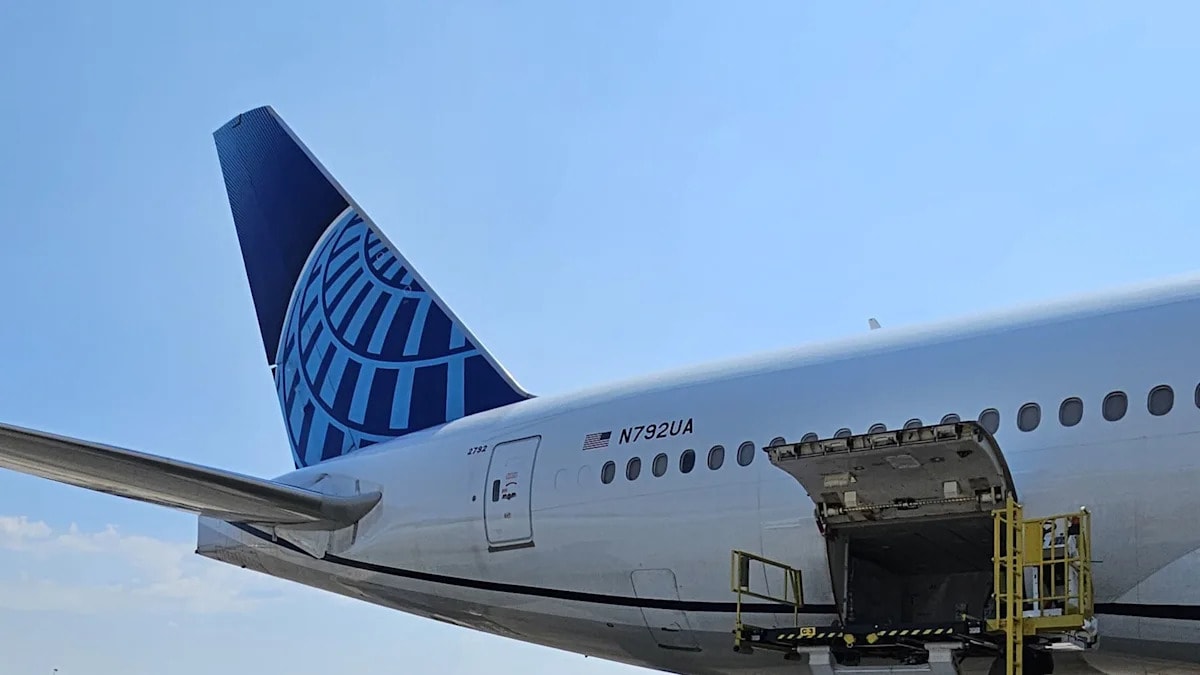
United Airlines reported a 22.6% increase in Q2 cargo revenue, totaling $527 million. This growth was driven by a surge in demand and spiked shipping rates resulting from geopolitical disruptions in the Middle East.
Analysis of United Airlines' Q2 Cargo Revenue Surge
United Airlines has experienced a significant financial windfall in its cargo operations, reporting a 22.6% increase in revenue for the second quarter, bringing the total to $527 million. This surge is particularly noteworthy as it mirrors the high-volume trends last seen during the COVID-19 pandemic boom of 2020. The growth is not merely a result of increased volume but is heavily influenced by a volatile global shipping environment where demand has significantly outpaced available capacity.
Geopolitical Disruptions and Capacity Constraints
A primary catalyst for this revenue spike is the instability in the Middle East. Following a U.S.-led military campaign against Iran that began on February 28, shipping space on aircraft within the region plummeted by more than 12%. As passenger and cargo airlines suspended or reduced their operations to mitigate ongoing war risks, a critical supply-side vacuum was created. This reduction in capacity, occurring simultaneously with steady global demand, created a high-pressure environment for pricing.
Market Dynamics: Demand vs. Supply
On a global scale, cargo demand grew by 4% during the first half of the year, with a sharp acceleration to 7% in June. While global capacity remained relatively stagnant, the localized collapse of shipping space in the Middle East forced a redistribution of logistics flows. This imbalance triggered a dramatic increase in pricing; spot rates—the prices for immediate shipping—surged by 35% to 40% year-over-year in the two months preceding the report. United Airlines was positioned to capitalize on these spiked rates, leveraging its network to absorb the shifted demand.
The Role of Spot Rates and Contract Pricing
The combined average of spot and contract rates has increased since the start of hostilities on February 28.
In the aviation industry, the interplay between contract rates (long-term agreements) and spot rates (market-driven prices) is crucial. The current situation demonstrates how geopolitical shocks rapidly inflate spot rates, providing an immediate revenue boost to carriers with available belly capacity. For United, the ability to move high volumes of cargo at these premium rates has turned a global crisis into a significant quarterly gain, highlighting the fragility and volatility of the air freight market.
Historical Context and the "Covid-Like" Volume
The mention of "Covid-fueled boom" levels is a critical benchmark. During 2020, air cargo became the primary lifeline for global trade as passenger flights vanished, leaving only freighter aircraft and limited belly space for essential goods. The current trend suggests a return to those extreme market conditions, though the driver has shifted from a global health crisis to a regional geopolitical conflict. This indicates that the air cargo market is highly sensitive to "black swan" events that disrupt traditional flight paths and capacity.
Broader Implications for Global Logistics
The situation underscores the systemic risk inherent in global supply chains. When a major transit hub or region like the Middle East becomes a conflict zone, the ripple effects are felt globally in the form of higher costs and reduced efficiency. For airlines, this creates a paradox where operational risk increases, but financial returns on cargo can spike due to the scarcity of safe and available transport options.
Future Outlook and Predictions
Looking forward, United's cargo revenue will likely remain tethered to the stability of the Middle East. If hostilities persist or escalate, the upward pressure on rates is expected to continue as long as capacity remains constrained. However, should the region stabilize, a correction in spot rates is inevitable. The long-term trend suggests that airlines will continue to prioritize the flexibility of their cargo operations to hedge against the volatility of passenger travel and geopolitical instability.