United Airlines stark warning could make your next flight more expensive
Source Entity
Yahoo Finance
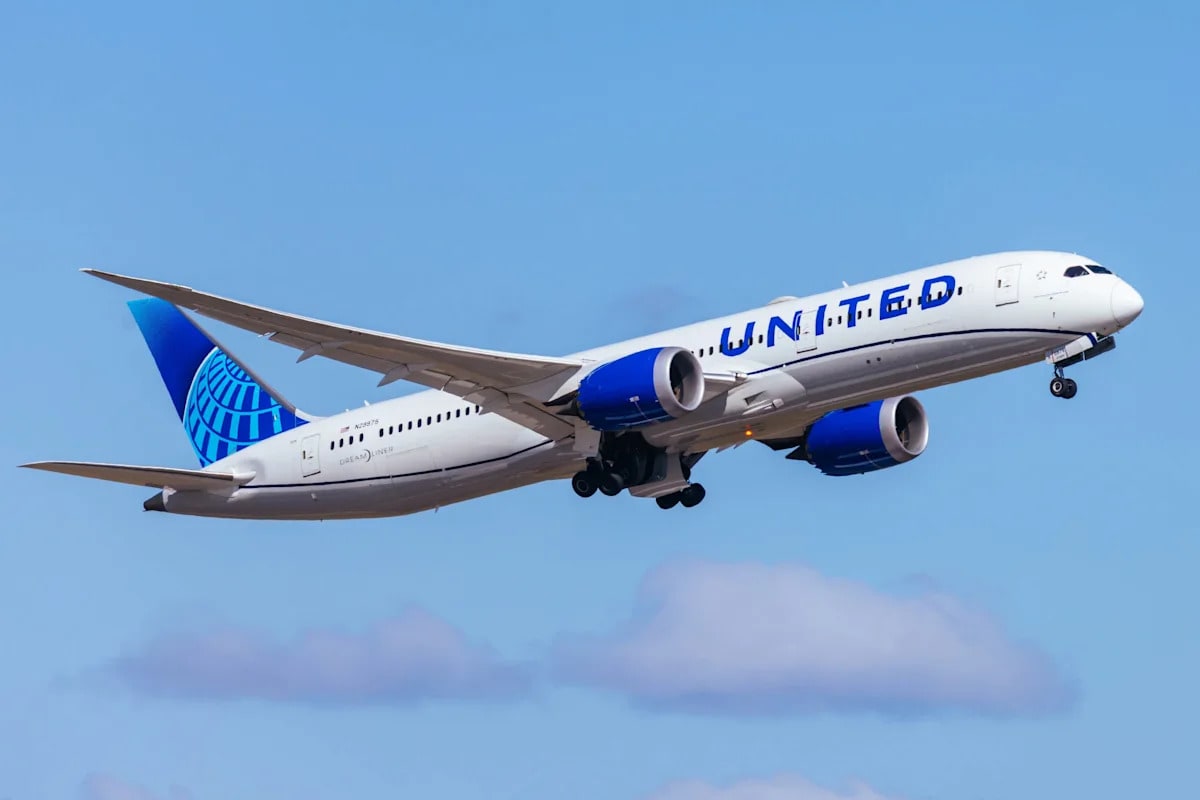
United Airlines has warned of a $6 billion increase in fuel costs for 2026 due to rising oil prices. This surge, fueled by geopolitical tensions, suggests consumers will likely face higher ticket prices as airlines pass on these expenses.
The Rising Cost of Air Travel: A United Airlines Perspective
The Impact of Geopolitical Volatility on Aviation
The aviation industry remains uniquely sensitive to global stability, particularly regarding the cost of Jet A fuel. United Airlines (UAL), a cornerstone of the global transit network for 95 years, recently issued a stark warning regarding its operational expenditures. Following renewed hostilities between the United States and Iran, the global energy market has reacted with characteristic volatility. With West Texas Intermediate (WTI) crude prices climbing approximately 15% since the start of July—moving up from a baseline near $67 per barrel—the airline industry is bracing for a significant fiscal shock.
Quantifying the Financial Burden
In its July 15 Q2 earnings release, United Airlines provided a transparent, albeit concerning, assessment of its future obligations. The company disclosed an expected $6 billion increase in fuel expenses for the full year of 2026 compared to its initial internal modeling. This massive variance highlights how quickly external geopolitical events can dismantle corporate financial planning. For an airline of United's scale, such a dramatic shift in overhead is not merely a line item; it is a fundamental challenge to the profitability of its entire route network.
The Consumer Consequence: Passing the Pain
The core issue for the average traveler is the direct correlation between fuel surcharges and ticket pricing. Historically, when fuel costs surge, airlines have little choice but to pass the burden to the consumer to maintain operational viability. The current pricing data pattern over the last several months confirms that the industry is already trending toward higher fares. As United Airlines struggles to absorb these rising costs, the inevitable result will likely be a reduction in the availability of budget-friendly inventory, making air travel increasingly expensive.
Historical Context and Economic Cycles
Historically, airlines have operated on thin margins where fuel typically represents one of the largest controllable—or in this case, uncontrollable—expenses. During periods of relative stability, airlines can hedge fuel prices to stabilize costs. However, when spikes occur as rapidly as they have in July 2026, hedging strategies often prove insufficient. This scenario mirrors past economic downturns where energy shocks forced structural changes in the airline industry, including fleet consolidation and the aggressive pursuit of fuel-efficient aircraft to mitigate long-term risk.
Future Trends and Strategic Outlook
Looking ahead, the aviation sector faces a period of recalibration. If geopolitical tensions persist, the $6 billion estimate provided by United could potentially serve as a floor rather than a ceiling for fuel-related costs. Future trends suggest that airlines will likely prioritize high-yield passengers and premium services to offset the rising cost of fuel. For the consumer, this suggests a future of 'dynamic pricing' where the cost of a seat is increasingly tethered to the daily fluctuations of the crude oil market, necessitating more careful financial planning for travel.
Conclusion
The transparency displayed by United Airlines in its latest earnings report serves as a warning signal for the broader travel economy. As the industry grapples with a $6 billion fuel deficit, the era of accessible, low-cost air travel faces significant headwinds. Travelers should prepare for a period of sustained high pricing as the airline industry seeks to stabilize its balance sheet in an increasingly volatile global environment.