Explainer-China's oil imports have plunged during the Iran war. How much will they recover?
Source Entity
Yahoo Finance
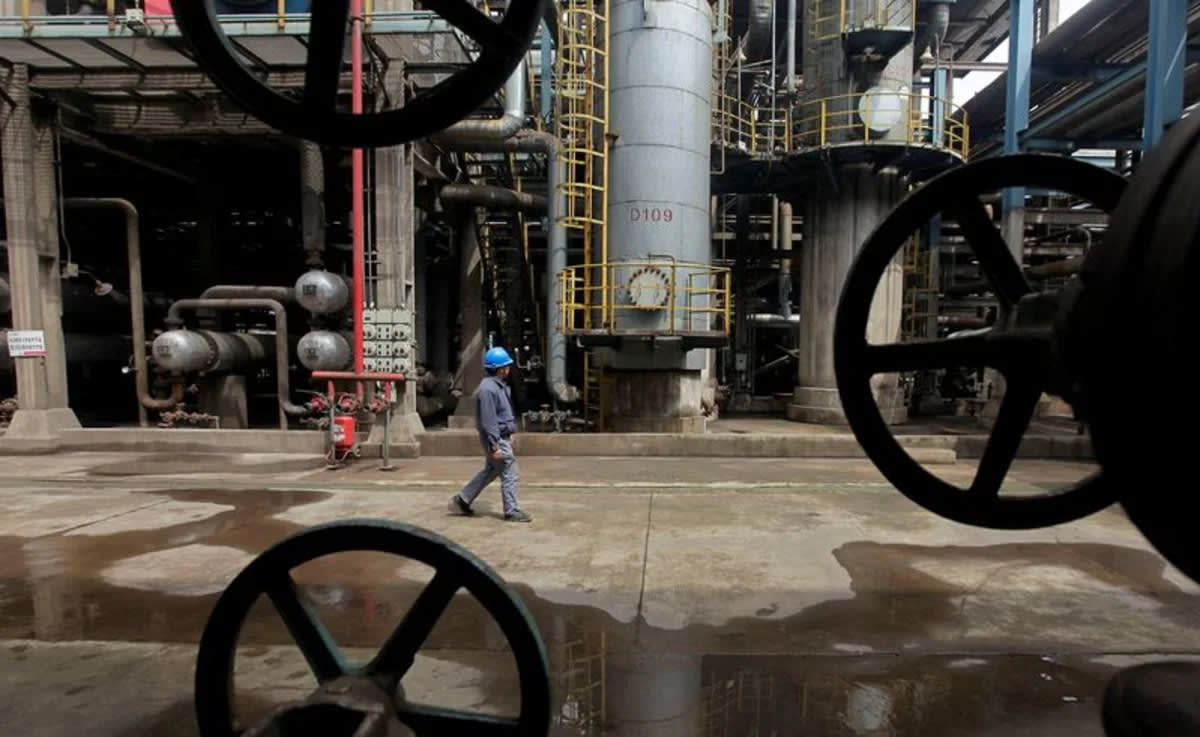
China's significant reduction in oil imports during the Iran conflict has acted as a critical safety net for global prices. Analysts warn that if China resumes normal purchasing, the market may face a supply shock as existing global buffers are exhausted.
The Fragile Stability of the Global Oil Market
The global oil market is currently navigating a precarious period defined by the convergence of geopolitical volatility in the Strait of Hormuz and an anomalous shift in Chinese import behavior. For months, the market has been shielded from record-high price surges, largely due to a combination of coordinated stock releases and a sudden, significant contraction in demand from China. However, as the window of relative stability closes, the underlying structural weaknesses in global supply chains are being exposed.
The Chinese Import Anomaly
For five years, China maintained a consistent import average of 11.5 million barrels per day (bpd). Since April, however, that figure has plummeted to an average of just 8 million bpd. By June, shipments had fallen to a mere 40% of pre-Iran war levels. This drastic reduction has effectively served as a de facto safety net, freeing up surplus cargoes for other nations and preventing a supply-demand mismatch that would have otherwise sent prices skyrocketing in the wake of the Iran-related disruptions.
Exhaustion of Global Buffers
While China's reduced intake provided a temporary cushion, other safety valves are reaching their limits. The U.S.-Iran memorandum of understanding—which allowed Middle Eastern producers to clear stockpiled crude out of the Gulf—has effectively collapsed alongside the ceasefire. Furthermore, the massive global coordinated stock releases that bolstered supply during the initial phases of the conflict have largely been processed by refiners, leaving global inventories at dangerously low levels.
The Uncertainty of Future Demand
Market experts, including those at the Oxford Institute for Energy Studies, remain puzzled by the scale and nature of China's import reduction. The lack of transparency regarding whether this drop is a permanent shift in energy efficiency or a temporary lull creates a 'million-dollar question' for traders. If China were to suddenly re-enter the market to replenish its own reserves, the global system would likely be unable to accommodate the surge, given the current lack of buffers.
Geopolitical and Economic Implications
The situation highlights the extreme sensitivity of the global energy market to regional conflicts. The Strait of Hormuz remains a critical chokepoint, and the 'all-but-dead' status of the ceasefire suggests that the risk premium on oil prices will likely remain elevated. Investors and policymakers must now prepare for a scenario where the world’s largest oil importer shifts from a state of reduced consumption back to full capacity, potentially triggering an acute supply crunch.
Conclusion: A Potential Tipping Point
In summary, the global oil market is currently operating on borrowed time. The combination of depleted strategic reserves, the failure of diplomatic efforts to maintain regional calm, and the looming threat of a Chinese import rebound creates a volatile outlook. As these various factors converge, the market is poised to test whether current supply infrastructures can withstand the pressure of a return to pre-war demand levels.
Multiple Citing Sources