Netflix tumbles as slowing growth, less viewership data spook investors
Source Entity
Yahoo Finance
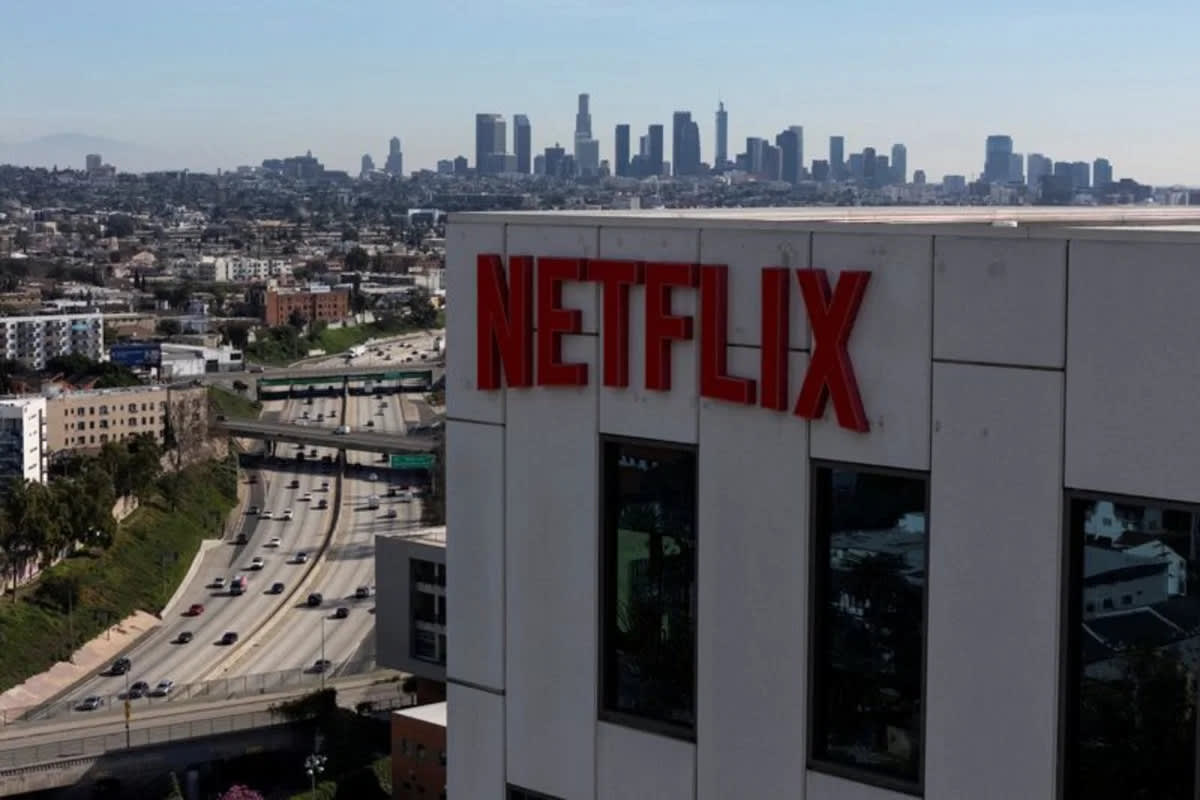
Netflix shares dropped over 10% following a weak revenue forecast and reduced financial transparency. The company's decision to limit viewership data reporting has sparked significant investor concern regarding its future growth trajectory.
Netflix Faces Market Volatility Amid Transparency Concerns
Netflix, the long-standing titan of the streaming industry, recently experienced a sharp decline in market valuation, with shares tumbling more than 10% following a lackluster revenue forecast. This sudden downturn reflects a growing anxiety among investors who fear that the company’s period of rapid, industry-leading expansion may have finally reached a plateau. As the stock neared a two-year low, the potential loss of $35 billion in market capitalization underscores the high-stakes environment in which modern digital media platforms now operate.
The Shift in Disclosure Practices
Central to this market reaction is Netflix's decision to further restrict the data it provides to shareholders and the public. The company announced a plan to reduce the frequency of its viewing-hours reports to just once a year starting in 2027. This move follows an earlier, controversial decision to stop reporting quarterly subscriber counts entirely. By narrowing the scope of available performance metrics, Netflix is effectively creating an information vacuum that complicates the ability of analysts to gauge the company's health in real-time.
Competitive Pressures and Market Saturation
This shift in transparency comes at a critical juncture where Netflix is battling intense competition from both traditional media conglomerates and digital-first platforms like YouTube. The streaming landscape has shifted from a blue-ocean market—where Netflix was the undisputed pioneer—to a highly saturated environment. Investors are increasingly wary of how these competitors are successfully capturing audience share, and the lack of granular data makes it difficult to determine if Netflix's core business model remains resilient against these external threats.
Investor Sentiment and Transparency Risks
Wall Street generally rewards predictability and transparency; therefore, the decision to withhold key performance indicators is often interpreted as a defensive maneuver. When a company chooses to obscure its metrics, investors often assume the underlying data is unfavorable. This erosion of trust can lead to increased volatility, as seen in the recent sell-off, where the market reacted negatively to the perceived lack of visibility into the company's long-term growth prospects.
Future Outlook and Strategic Implications
Looking ahead, Netflix must balance its desire to manage the narrative regarding its growth with the necessity of maintaining investor confidence. If the company continues to scale back data reporting, it may face continued pressure on its stock price until it can demonstrate that its revenue streams are sustainable despite the slowing pace of new user acquisition. The coming quarters will be a litmus test for whether Netflix’s strategic pivot away from traditional growth metrics can be successfully integrated into a new, sustainable business narrative that satisfies a skeptical financial market.