'WarshGPT': How Wall Street is adapting to the Fed's new era of communication
Source Entity
US Top News and Analysis
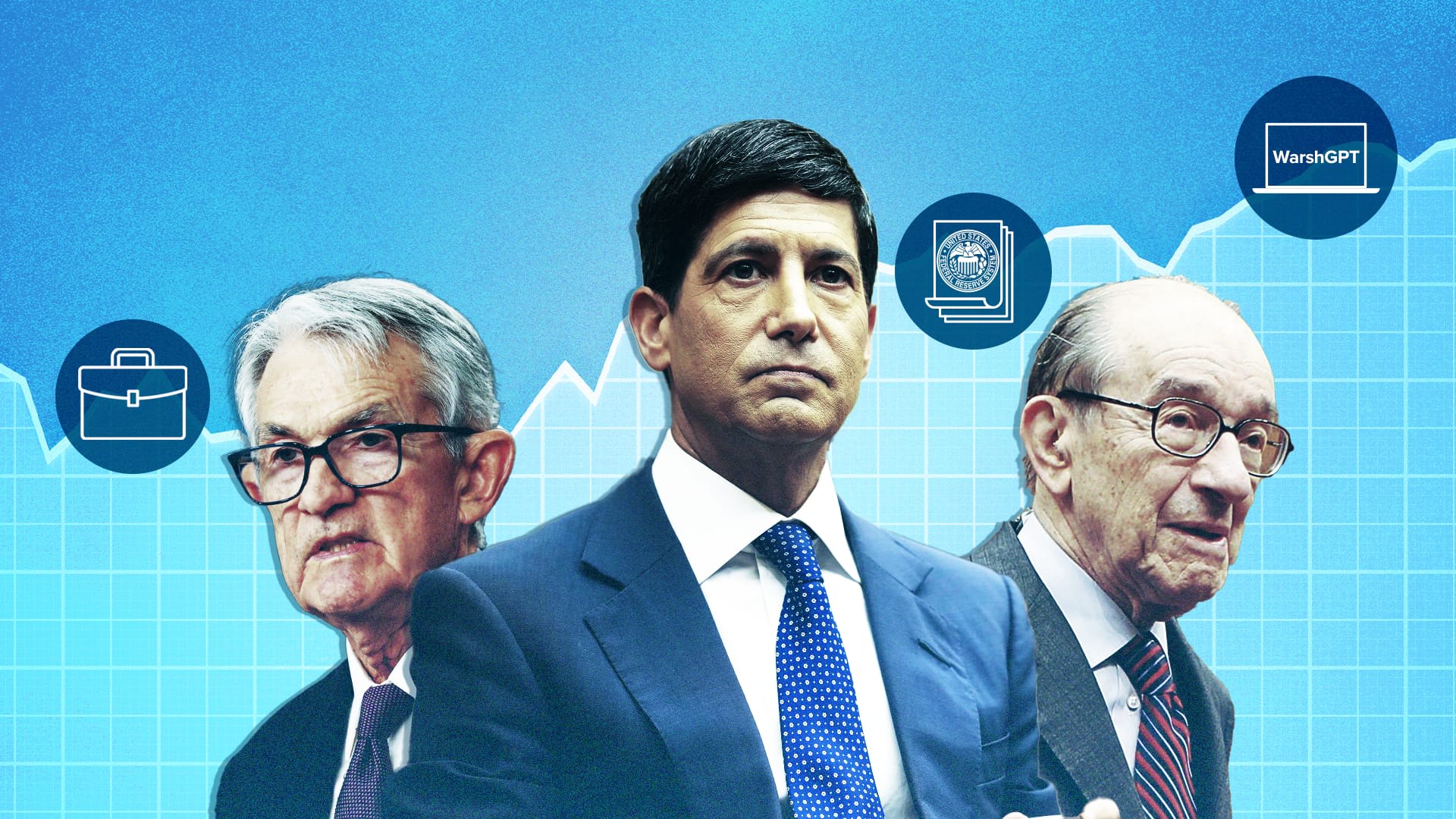
Wall Street firms are turning to AI tools to navigate a shift in Federal Reserve communication under Chairman Kevin Warsh. With the Fed moving toward reduced public commentary, investors are building custom models to decode policy shifts.
The Era of Silent Policy: Navigating the New Fed Communication Paradigm
A Shift in Central Banking Strategy
The Federal Reserve, long defined by its transparency and extensive public signaling, is undergoing a seismic shift under Chairman Kevin Warsh. Since assuming his post in May, Warsh has initiated a significant overhaul of the central bank's communication strategy, signaling a departure from the verbose, jargon-heavy 'Fedspeak' that market participants have relied upon for decades. This pivot toward a quieter, more reserved approach to policy guidance has created a vacuum that institutional investors are scrambling to fill.
The Challenge to Market Decoding
For firms like F/m Investments, the ability to interpret Fed sentiment has historically been a core competency. CEO Alexander Morris notes that the market had built a robust business model around 'decoding Fedspeak,' effectively turning central bank speeches and minutes into actionable trade signals. Warsh’s directive to reduce public commentary directly threatens these established analytical frameworks, forcing firms to reconsider how they anticipate interest rate adjustments and broader macroeconomic policy shifts.
The Rise of 'WarshGPT'
In response to this lack of traditional signaling, Wall Street is increasingly turning to artificial intelligence to maintain an information edge. By leveraging advanced natural language processing and machine learning, firms are developing proprietary AI tools—colloquially dubbed 'WarshGPT'—to analyze limited data points, historical patterns, and subtle shifts in institutional behavior. This represents a fundamental change in how financial markets interact with central banks: moving away from human interpretation of speeches toward algorithmic prediction.
Broader Implications for Market Stability
This transition to an AI-driven predictive environment carries significant implications for market stability. When human-led institutional analysis is replaced by automated models, there is a risk of heightened volatility if these algorithms misinterpret the Fed's silence or create feedback loops based on limited data. As firms like F/m Investments adapt their strategies, the reliance on AI may inadvertently create a new form of 'algorithmic Fedspeak,' where the market reacts not to the Fed itself, but to the machines' interpretation of the Fed's lack of communication.
Future Trends and Outlook
Looking forward, the interaction between central bank policy and financial technology will likely become more opaque. If the Federal Reserve maintains a policy of reduced public guidance, the competitive advantage will shift toward firms with the most sophisticated AI infrastructure. Investors should expect a period of adjustment as these new models are tested against real-world policy shifts, potentially leading to a more reactive market environment until the new equilibrium between central bank secrecy and algorithmic forecasting is fully established.