Big banks' record Wall Street profits are increasingly tied to AI
Source Entity
Yahoo Finance
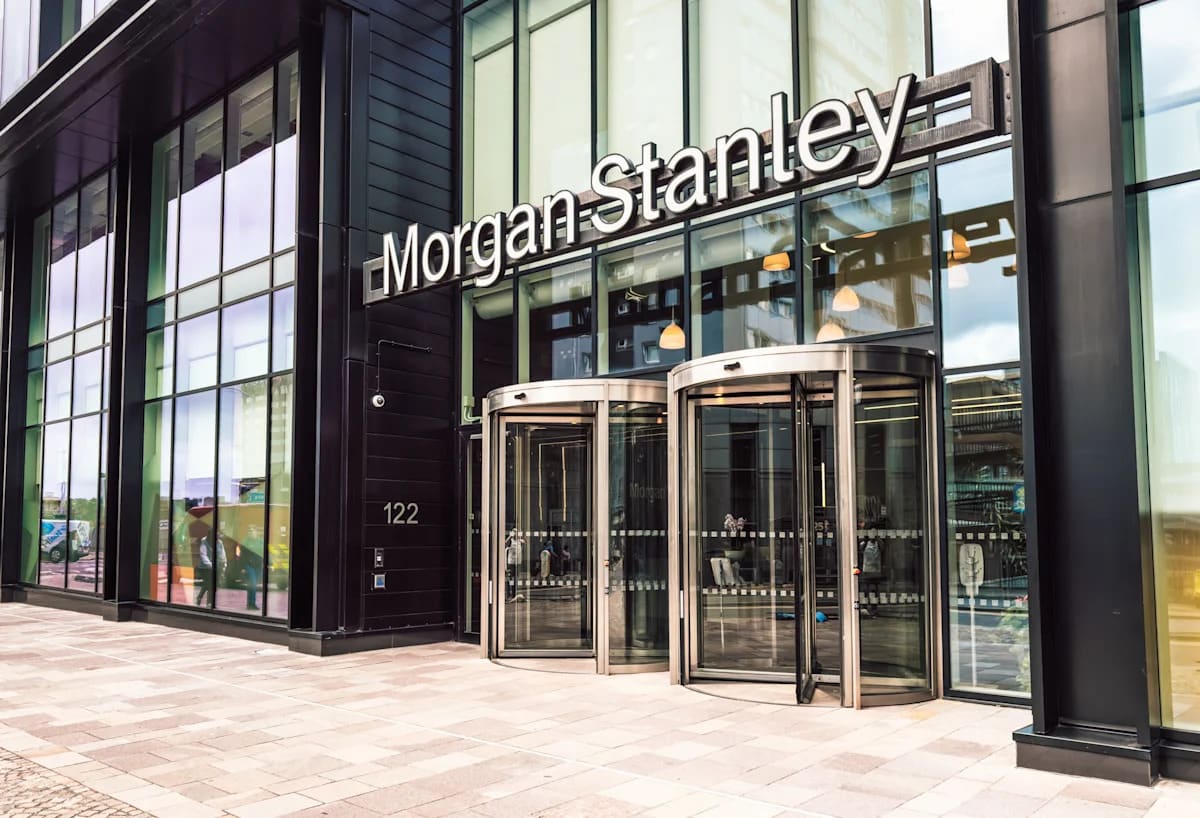
Major Wall Street banks reported record capital markets revenue of $114 billion in early 2026, largely driven by the ongoing artificial intelligence boom. Analysts now identify AI as the primary earnings catalyst for these financial institutions.
The AI-Driven Financial Surge
The global financial landscape has entered a transformative era, with the five largest Wall Street institutions—JPMorgan Chase, Bank of America, Citigroup, Goldman Sachs, and Morgan Stanley—reporting a historic $114 billion in capital markets revenue for the first half of 2026. This figure represents a staggering 31.5% increase compared to the previous year, signaling that the current market rally is not merely cyclical, but fundamentally anchored in the ongoing artificial intelligence revolution.
The Mechanics of the Windfall
Stock trading, which accounted for more than half of this revenue growth, has become the primary vehicle through which investors express their confidence in AI. By facilitating the buying and selling of equities tied to semiconductor manufacturing, cloud infrastructure, and software development, these banks have positioned themselves as the essential middlemen of the AI gold rush. The surge in dealmaking and corporate financing further illustrates that the capital required to build the infrastructure of the future is flowing directly through the ledgers of these major firms.
AI as the Primary Earnings Catalyst
According to industry experts, most notably Wells Fargo analyst Mike Mayo, artificial intelligence has effectively surpassed traditional macroeconomic factors to become the "No. 1 earnings driver" for big banks this year. This represents a significant shift in banking business models, where the reliance on interest rate spreads is increasingly complemented—or even eclipsed—by the high-velocity trading and advisory fees generated by the AI sector's rapid expansion.
Broader Market Implications
The deep integration of AI into bank profitability raises critical questions about market stability and long-term momentum. If the financial sector's record-breaking performance is tethered to the sustained growth of the AI industry, the volatility of the tech sector becomes a direct proxy for the health of the broader banking system. This creates a high-stakes environment where the success of technology deployment directly dictates the fiscal health of the world's most powerful financial institutions.
Future Trends and Outlook
Looking forward, the reliance on AI-driven revenue suggests that major banks will continue to prioritize technology-focused advisory services and trading platforms. As these institutions move deeper into the second half of 2026, the industry will likely face increased scrutiny regarding its exposure to the AI sector. Investors and regulators alike will be watching closely to see if this momentum can be sustained or if the financial markets are creating a feedback loop of dependency on a singular, rapidly evolving technological trend.
Conclusion
In summary, the record-breaking profits of 2026 highlight a pivotal moment in financial history where banking and technology have become inextricably linked. While the current windfall provides record capital, it also underscores a structural shift in how Wall Street generates value, firmly placing the future of traditional finance in the hands of the AI revolution.