Korean beauty products are becoming mainstream in the U.S. Why there may be even more growth ahead
Source Entity
US Top News and Analysis
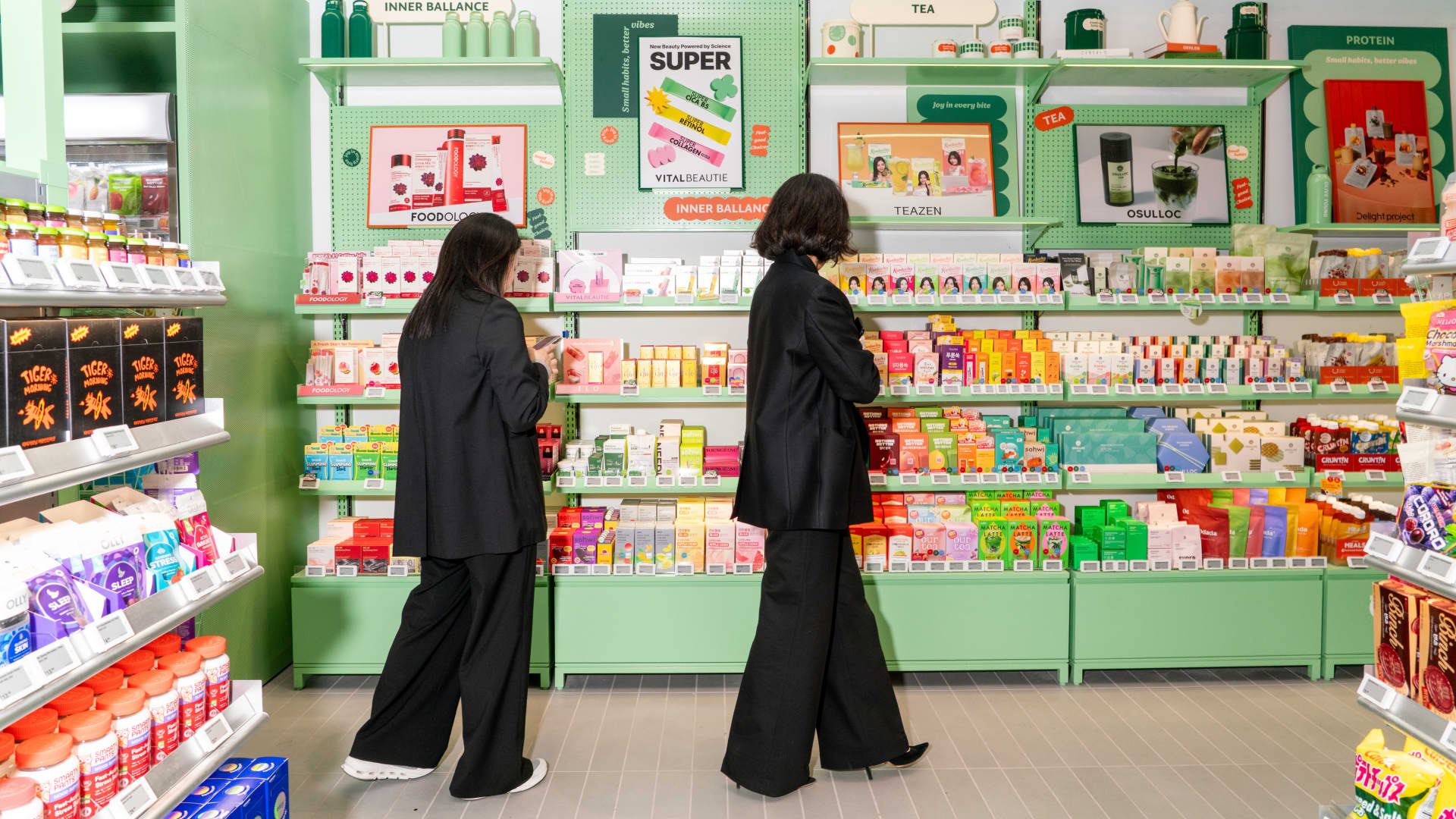
The rapid expansion of South Korean retailer Olive Young into the U.S. market signals a major shift in consumer beauty trends. With significant foot traffic and ambitious growth plans, the sector is projected to reach $4 billion in sales by 2026.
The Rise of K-Beauty: A Retail Phenomenon
The recent expansion of South Korean beauty giant Olive Young into the United States marks a pivotal moment for the global cosmetics industry. By opening its first storefront in Pasadena, California, in May 2026, the retailer has tapped into a burgeoning demand for K-beauty products that has transitioned from a niche online trend to a mainstream consumer requirement. The overwhelming public response, characterized by block-long lines and thousands of daily visitors, underscores a fundamental shift in how American consumers discover and prioritize skincare and cosmetic solutions.
Strategic Market Penetration
Olive Young’s entry strategy has been nothing short of aggressive and calculated. By securing high-visibility locations in hubs like Pasadena and Century City, the company is not merely testing the waters; it is establishing a permanent physical footprint. The data is compelling: with 6,000 customers during the opening weekend and a sustained average of 1,600 visitors daily, the brand has demonstrated that its model of high-curation and diverse product offerings resonates deeply with the American demographic, effectively bridging the gap between digital discovery and tangible retail experience.
Economic Projections and Market Growth
Financial analysts, including those at Morgan Stanley, have identified this trend as a significant economic driver. The forecast that K-beauty sales in the U.S. will reach approximately $4 billion by 2026 is a testament to the sector's explosive growth trajectory. This valuation reflects not only the popularity of individual products but the maturation of a supply chain that has successfully localized itself for the Western market, making high-quality, innovative formulations accessible to a broader audience.
The Cultural Context of Innovation
K-beauty has long been defined by its emphasis on gentle ingredients, sophisticated layering techniques, and rapid product innovation. As these concepts move into the U.S. mainstream, they challenge traditional Western beauty standards that often favored heavy makeup over long-term skin health. Olive Young’s success suggests that American shoppers are increasingly valuing the preventive and restorative philosophies central to the Korean approach, viewing skincare as a holistic wellness practice rather than a purely aesthetic endeavor.
Future Trends and Scalability
Looking ahead, the success of Olive Young’s initial U.S. locations serves as a blueprint for further expansion. The company’s stated intent to open more stores suggests that the current momentum is sustainable. As the brand scales, it will likely influence regional competitors to adapt their own inventories and store experiences to keep pace. The integration of K-beauty into the American retail landscape is likely to continue for the foreseeable future, as supply chains become more efficient and consumer appetite for these innovative products shows no signs of waning.
Conclusion
In summary, the arrival of Olive Young in the U.S. is more than a retail expansion; it is the culmination of years of international cultural influence and market evolution. With strong financial backing, high consumer engagement, and a clear growth strategy, K-beauty is firmly positioned to reshape the U.S. cosmetics industry, setting a new standard for customer-centric retail and product innovation.