Aloo paratha, ghee and saag: Saina Nehwal reveals the desi diet that fuels her
Source Entity
The Indian Express
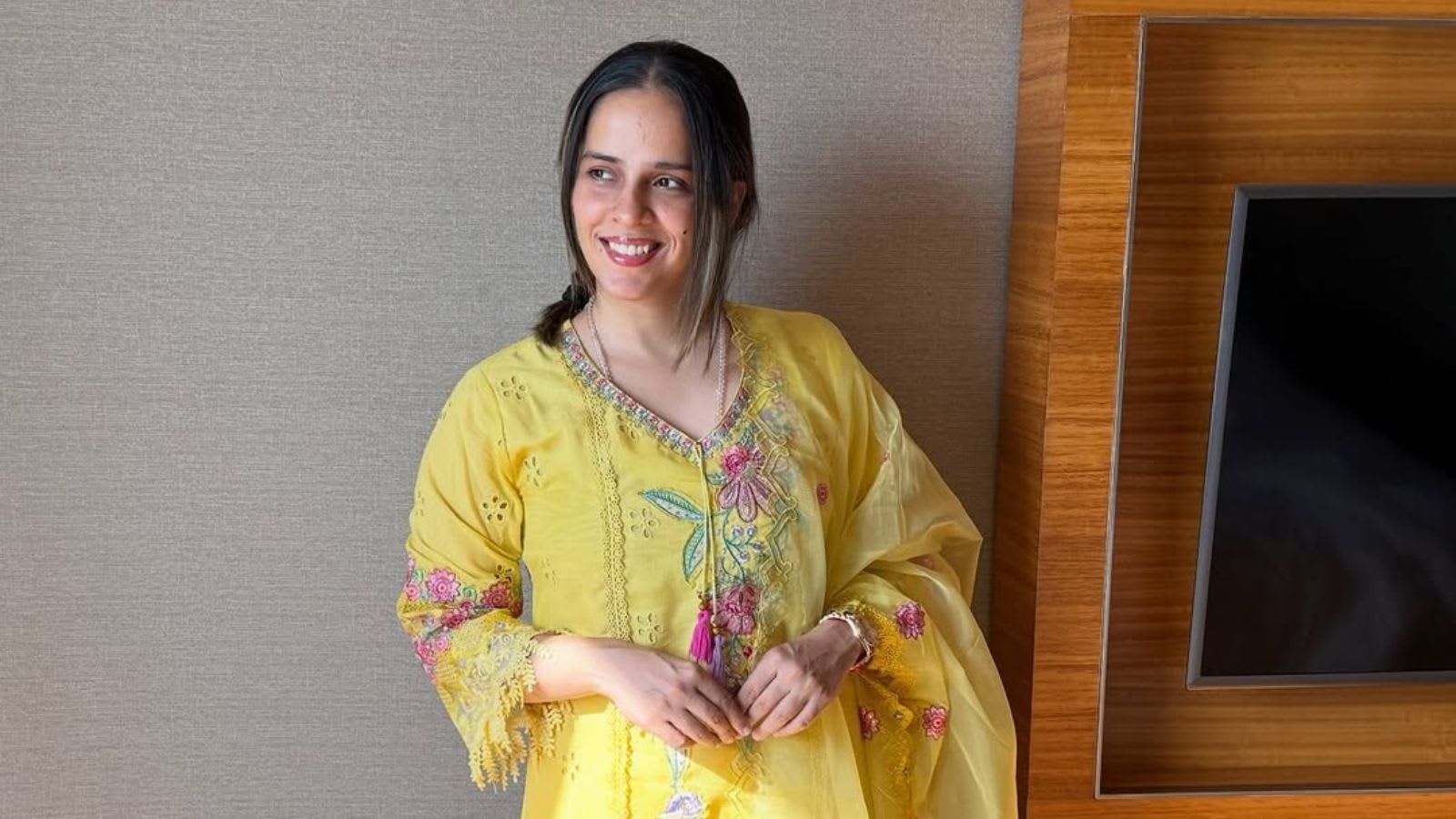
Indian badminton star Unnati Hooda is garnering attention for her unconventional footwork, which experts compare to past innovators like Hariyanto Arbi. Meanwhile, legend Saina Nehwal attributes her long-standing energy and success to a traditional, ghee-rich Haryanvi diet.
Redefining Technique and Tradition in Indian Badminton
The Evolution of Style: Unnati Hooda’s Unconventional Footwork
In the high-precision world of professional badminton, technique is often codified into rigid standards. However, young Indian talent Unnati Hooda has recently become the subject of intense debate due to her distinct footwork. Critics have been quick to scrutinize her movement, but seasoned observers suggest that 'different' does not necessarily mean 'wrong.' By drawing parallels to the legendary Hariyanto Arbi—who defied established norms with his inside-out slice smashes and unorthodox movement to claim world titles—analysts are beginning to appreciate the strategic value of Hooda’s unique style.
Expert Perspectives on Athletic Innovation
Former India international Aparna Popat has emerged as a key voice in defending Hooda’s progression. Popat argues that the sport must move beyond a singular definition of movement, posing the crucial question: if an unconventional style does not lead to injury or excessive energy expenditure, why should it be discouraged? Hooda’s recent performance at the Asian Games, where she reached the quarterfinals despite being outside the Top 20, serves as empirical evidence that her style is not a hindrance, but rather a functional asset that allows her to compete at an elite level.
Resilience and Performance Metrics
Hooda’s ability to navigate the physical demands of high-level competition is notable. During the Asian Games, her capacity to play three matches within an 18-hour window—including a victory over a Top 10 player—demonstrates that her movement patterns, while visually unconventional, are physically sustainable and effective. This resilience suggests that the biomechanical efficiency of her game is better than critics initially perceived, proving that performance output outweighs aesthetic conformity in professional badminton.
The Role of Heritage in Athletic Fuel
While Hooda pushes boundaries on the court, badminton legend Saina Nehwal offers a different perspective on the foundations of success: the role of traditional nutrition. Born in Hisar, Haryana, Nehwal has long championed the influence of her upbringing on her professional career. In a recent discussion with macrobiotic coach Dr. Shilpa Arora, Nehwal attributed her sustained energy levels to a diet deeply rooted in her Haryanvi heritage, featuring staples like aloo parathas, ghee, saag, and milk enriched with almond oil.
Sustaining Longevity Through Cultural Connection
Nehwal’s dietary narrative highlights a broader trend among Indian athletes who are increasingly embracing traditional, nutrient-dense meals to fuel their training. By integrating foods like rajma, kadhi, and chole into a high-performance regimen, Nehwal underscores that elite athleticism does not require a total departure from one's cultural roots. This holistic approach to health—balancing rigorous training with the comfort and nutritional density of home-cooked, ghee-laden meals—provides a blueprint for how athletes can maintain longevity in a demanding sport.
Conclusion: The Future of the Sport
Both Unnati Hooda and Saina Nehwal represent different facets of the modern Indian badminton landscape. Whether through the tactical innovation of unconventional footwork or the preservation of traditional dietary habits, these athletes are challenging the status quo. As the sport continues to evolve, the success of individuals like Hooda and Nehwal serves as a reminder that excellence in badminton is not found in a rigid manual, but in the intelligent adaptation of personal strengths and cultural foundations.