"Unprecedented" Heavy Rain Kills 4 In Japan, Thousands Stranded At Airport
Source Entity
NDTV News Search Records Found 1000
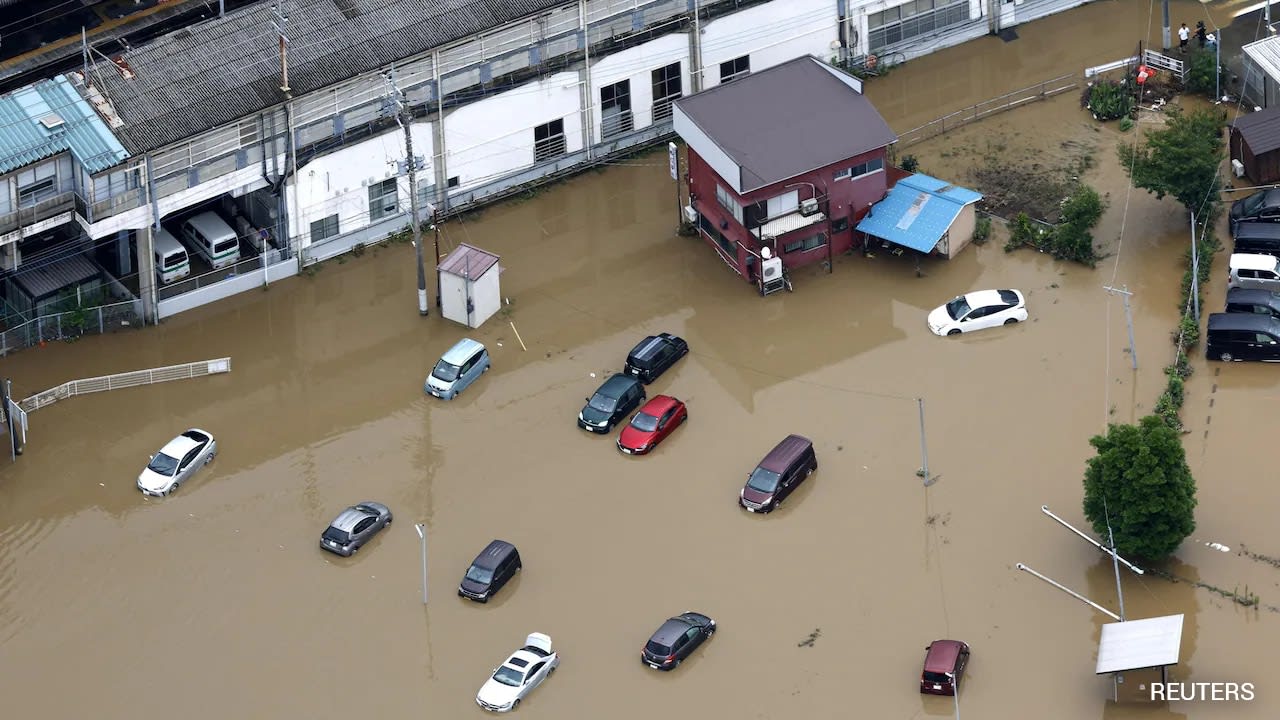
Unprecedented torrential rains in Japan's Chiba prefecture have resulted in at least four confirmed deaths and widespread infrastructure failure. The storm caused significant power outages for over 20,000 households and left thousands stranded at Narita Airport.
A Meteorological Anomaly in Chiba
Japan is currently grappling with the aftermath of an atmospheric event described by local authorities as "unprecedented." Heavy, persistent rainfall has pummeled the Chiba prefecture, situated adjacent to Tokyo, resulting in at least four confirmed fatalities and widespread infrastructure collapse. The meteorological conditions driving this crisis involve a convergence of warm, humid air currents meeting colder air masses, creating highly unstable conditions that have defied historical weather patterns.
The Human Toll and Infrastructure Impact
The human cost of this deluge has been severe, with victims identified in various tragic circumstances, including individuals found in submerged vehicles and flooded streets. Beyond the loss of life, the logistical disruption has been profound. Over 20,000 households have been left without power, and Narita International Airport, one of Japan's primary aviation hubs, saw thousands of passengers stranded as transport networks were rendered impassable by floodwaters.
Record-Breaking Precipitation
The severity of the event is underscored by the data provided by the Japan Meteorological Agency. Chiba has recorded rainfall exceeding 100mm per hour since Thursday, a figure that represents approximately three times the region's total average rainfall for the entire month of August. Chiba Governor Toshihito Kumagai noted the unique nature of this disaster, stating that despite his experience with past emergencies, this particular event stands out as an outlier in Japan’s long history of weather-related crises.
Broader Implications and Climate Context
This event highlights the increasing vulnerability of urban infrastructure to extreme weather phenomena. As atmospheric conditions become more volatile, the capacity of existing drainage and power grid systems is being tested to the breaking point. The fact that the precipitation levels reached the highest volume ever recorded in the country suggests that regional climate norms are shifting, necessitating a re-evaluation of disaster preparedness strategies in densely populated areas like Chiba and the greater Tokyo metropolitan region.
Future Trends and Resilience
Looking forward, the persistence of such weather patterns through the end of the week implies that the recovery phase will be delayed. Authorities are focusing on immediate search and rescue operations for the missing, while simultaneously assessing the long-term damage to road and rail infrastructure. The challenge for Japanese officials will be to integrate the lessons learned from this “unprecedented” event into future urban planning, ensuring that critical infrastructure can better withstand the intensifying nature of modern meteorological threats.
Multiple Citing Sources
Verification Required?