In UP, honorarium of anganwadi workers & helpers hiked, to get cashless treatment up to Rs 5 lakh
Source Entity
Bhupendra Pandey
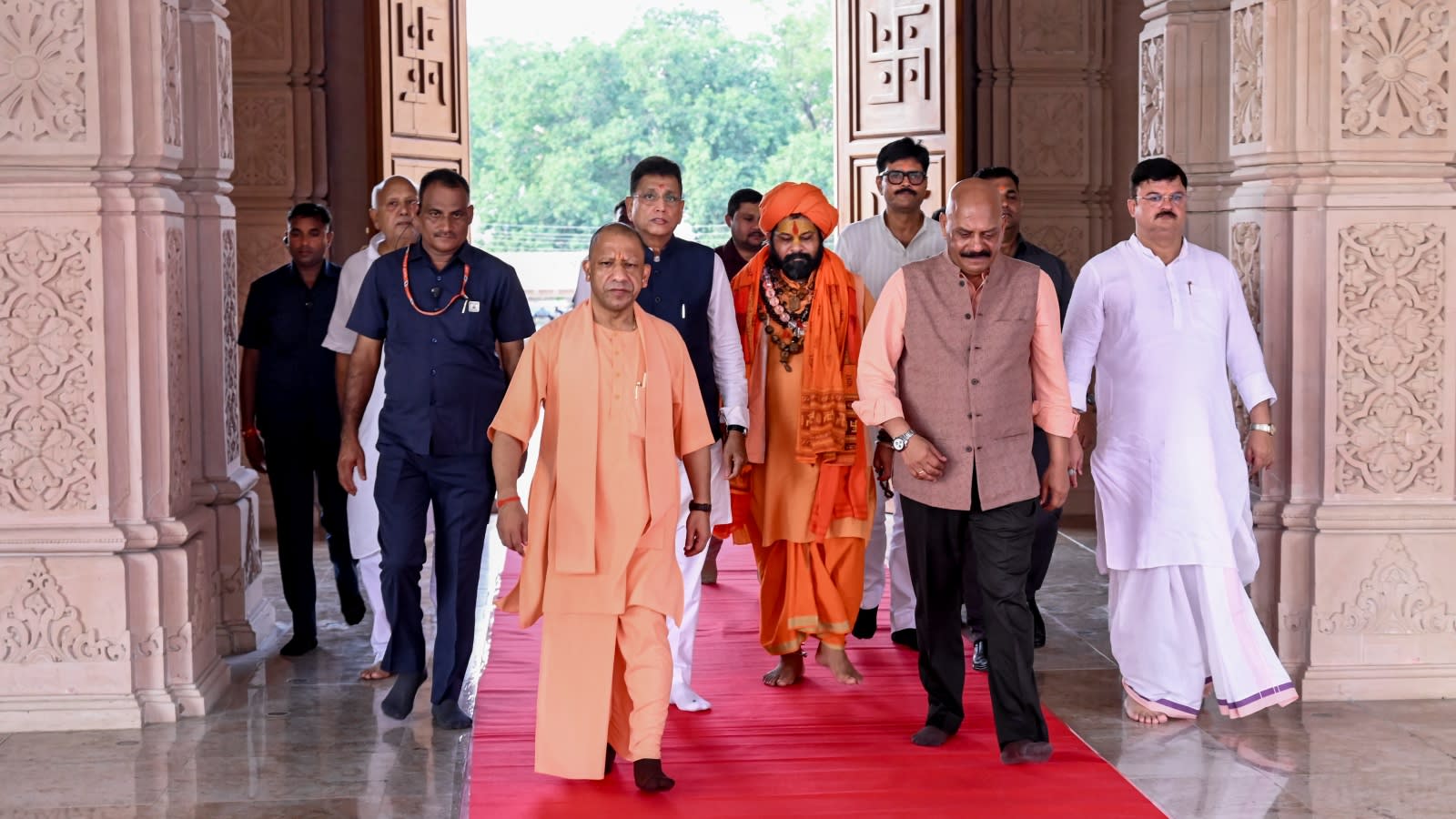
Chief Minister Yogi Adityanath has announced a significant honorarium hike and cashless health benefits for 2.91 lakh Anganwadi workers and helpers in Uttar Pradesh. The initiative, announced in Ayodhya, also includes the modernization of centers through smartphones and real-time data integration.
Strengthening the Social Infrastructure: UP Anganwadi Reforms
In a significant policy shift aimed at bolstering grassroots public service, Uttar Pradesh Chief Minister Yogi Adityanath has announced a major enhancement in the remuneration and welfare benefits for the state’s Anganwadi network. With over 2.91 lakh Anganwadi workers and helpers serving as the backbone of the state's maternal and child health programs, this move represents a critical investment in the human capital responsible for executing the Integrated Child Development Services (ICDS) scheme.
Financial Incentives and Welfare Coverage
Under the new mandate, the monthly honorarium for Anganwadi workers will increase from Rs 8,000 to Rs 12,000, while helpers will see their pay rise from Rs 4,000 to Rs 6,000. Beyond the direct salary adjustments, the government has introduced a landmark cashless medical facility. Workers, helpers, and their families are now entitled to annual medical coverage of up to Rs 5 lakh, valid at empanelled government hospitals and medical colleges. This safety net addresses a long-standing demand for better social security within the informal sector of government service.
Digital Transformation of Grassroots Centers
Modernization is a core component of this announcement. The Chief Minister emphasized the transition toward 'smart' Anganwadi centers. By providing smartphones and implementing real-time data tracking, the government aims to increase transparency and efficiency in the delivery of nutritional support. This digital integration is expected to reduce administrative delays and ensure that the benefits of 'Poshan Maah'—the national nutrition month—reach the intended beneficiaries with greater precision.
Strategic Context and Political Significance
The announcement, delivered in the historic city of Ayodhya, underscores the government's focus on integrating socio-economic welfare with infrastructure development. By timing these benefits ahead of the annual nutrition awareness campaign, the administration is positioning the Anganwadi workforce as a primary vehicle for public health delivery. This strategy acknowledges that the efficacy of large-scale state health interventions depends heavily on the morale and operational capacity of frontline personnel.
Future Implications for Public Health
The move to provide comprehensive health insurance suggests a shift in how the state views its contractual workforce. By providing financial stability and medical security, the government hopes to reduce attrition rates and improve the quality of community-level health monitoring. If successfully implemented, this model of digitizing center data while providing robust health benefits could serve as a blueprint for other states looking to optimize their ICDS performance and improve child and maternal health outcomes across India.