UP man never had a sister, so found 101 Hindu, Muslim women’s weddings
Source Entity
The Indian Express
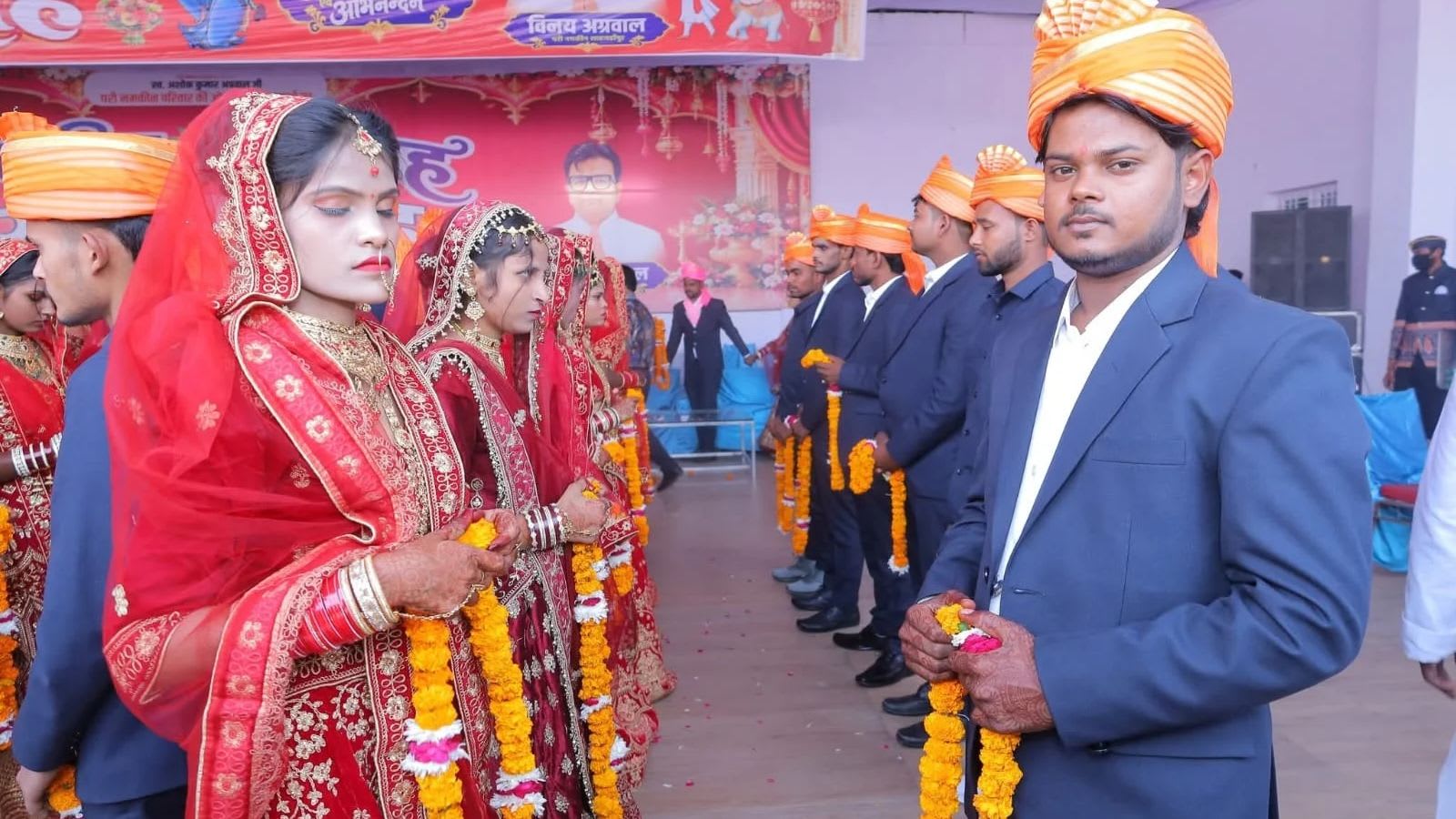
A Uttar Pradesh businessman, Vinay Agarwal, has sponsored the weddings of 101 underprivileged women to honor his desire for a sister. The event featured both Hindu and Muslim couples, fostering communal harmony through a large-scale, unified celebration.
A Gesture of Solidarity: The Mass Wedding Initiative in Shahjahanpur
In a heartwarming display of communal harmony and personal philanthropy, Vinay Agarwal, a businessman based in Uttar Pradesh, has undertaken a significant social initiative. Growing up without a sister, Agarwal sought to fill a personal void by assuming the role of a brother to 101 underprivileged women. By financing and organizing their weddings, he has transformed a personal sentiment into a large-scale act of community support that transcends traditional social boundaries.
Bridging Communities Through Celebration
The event, held at Khirni Bagh in Shahjahanpur, was notable not only for its scale but for its inclusive nature. By supporting both Hindu and Muslim brides, Agarwal bridged religious divides, creating a space where 93 Hindu couples were wed through traditional Vedic rituals and eight Muslim couples solemnized their nikah. This act of unity serves as a powerful reminder of the potential for grassroots movements to foster social cohesion in diverse regions like Uttar Pradesh.
The Logistics of Dignity
The organization of this mass wedding was marked by a commitment to dignity and celebration. Rather than a modest affair, the brides were provided with professional grooming at local beauty parlors, and the 101 couples were transported to the venue in a procession of 101 cars. By hosting the families in a shared festive pandal, the event ensured that the joy of the occasion was a collective experience, elevating the status of the underprivileged families involved.
Philanthropy as a Social Safety Net
For many families in India, the financial burden of weddings—often referred to as 'kanyadaan' in various cultural contexts—can be a source of significant economic hardship. Agarwal’s intervention acts as a vital social safety net, alleviating the debt burden that often traps poor families. This model of private philanthropy suggests a shift toward more direct, community-led support systems that address specific socioeconomic barriers faced by the marginalized.
Future Trends in Community Philanthropy
This event highlights a growing trend in India where successful entrepreneurs are increasingly looking toward localized, high-impact social projects. By focusing on life-cycle events like marriages, these initiatives provide immediate and tangible relief to the community. As such, the 'brotherhood' model established by Agarwal may serve as an inspiration for others to engage in targeted, culturally resonant philanthropy that strengthens the fabric of the local community.
Summary
Vinay Agarwal’s efforts in Shahjahanpur illustrate how individual initiative can mobilize community support to address systemic inequality. By honoring his personal wish for a sister, he has provided 101 couples with a dignified start to their married lives, setting a commendable example of interfaith cooperation and social responsibility.