‘No free parking space’ for 2 years despite promise, homebuyer wins slot from builder
Source Entity
Ashish Shaji
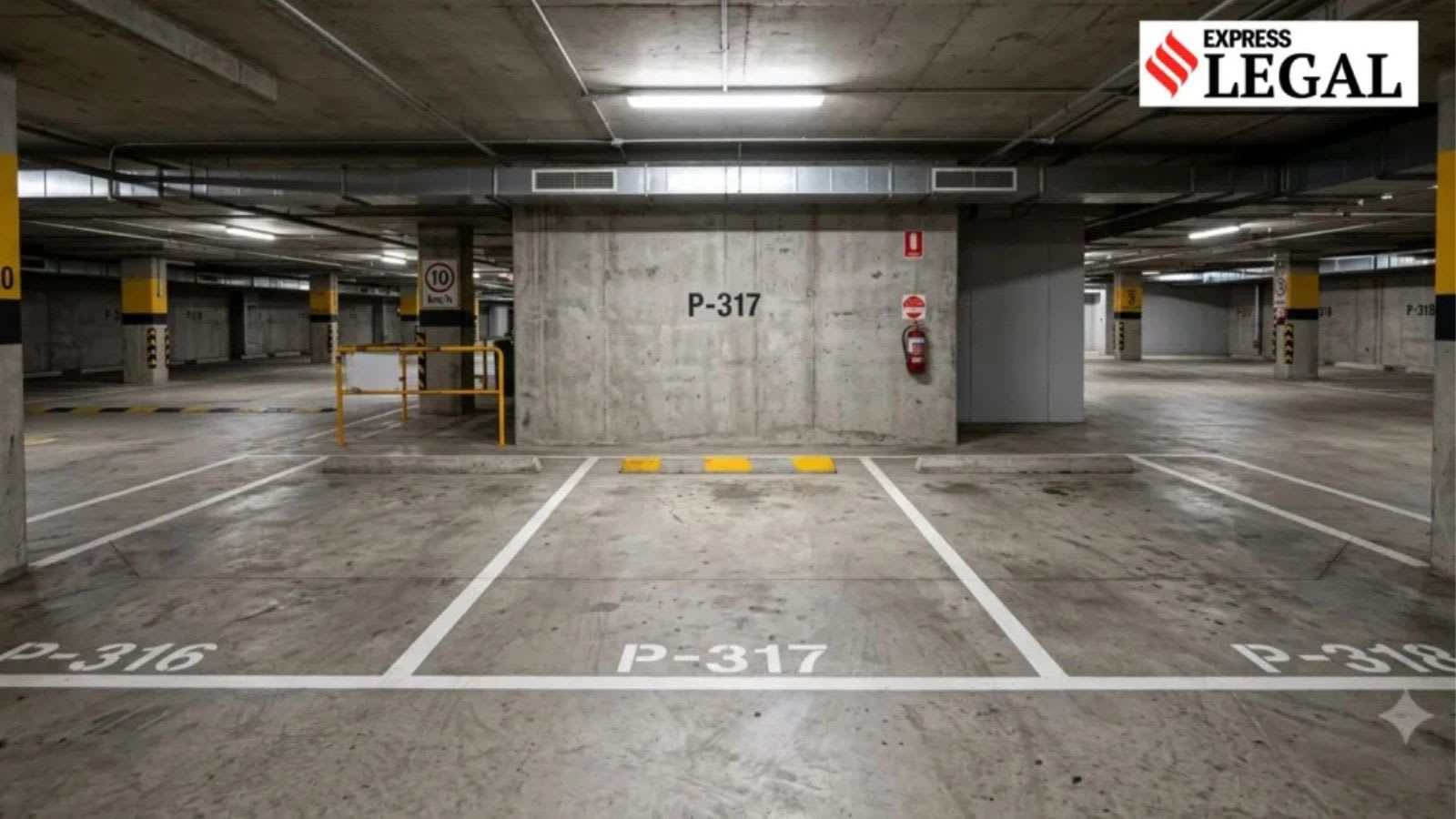
The Gautam Buddh Nagar District Consumer Commission has ruled in favor of a homebuyer, ordering a developer to provide a promised free parking space. The commission cited a deficiency in service and mandated the payment of litigation costs to the complainant.
Consumer Rights Victory in Real Estate Dispute
The recent ruling by the Gautam Buddh Nagar District Consumer Commission marks a significant reinforcement of consumer rights within the Indian real estate sector. By directing a developer to honor the commitment of a free open car parking space, the commission has signaled that contractual obligations regarding amenities are not merely suggestions but enforceable promises. The complainant, who had been waiting for two years, successfully demonstrated that the builder’s failure to deliver the promised facility constituted a clear deficiency in service.
The Legal Basis for the Ruling
President Anil Kumar Pundir and member Anju Sharma delivered the order on August 12, emphasizing the legal responsibility of builders to adhere to their project brochures and sales agreements. In many residential developments, parking is often a point of contention, with developers occasionally attempting to monetize spaces that were originally marketed as complimentary. This judgment serves as a precedent that once a facility is promised in the initial contract, the builder is legally bound to provide it without additional charges.
Implications of Service Deficiency
Defining the failure to provide parking as a 'deficiency of service' under the Consumer Protection Act is a critical distinction. It moves the dispute beyond a simple breach of contract into the realm of consumer protection law, which is specifically designed to guard individuals against unfair trade practices. By ordering the developer to pay Rs 2,000 in litigation costs, the commission has also acknowledged the time and financial burden placed on the homebuyer while seeking justice for a basic contractual entitlement.
Broader Trends in Real Estate Litigation
This case reflects a growing trend of homebuyers in Uttar Pradesh and across India utilizing district consumer commissions to hold developers accountable. As residential projects become more complex, the gap between sales promises and final delivery has often led to frustration. This ruling underscores the importance of transparency in real estate transactions and suggests that courts are increasingly sensitive to the power imbalance between individual buyers and large development firms.
Future Outlook for Homebuyers
For prospective buyers, this verdict reinforces the necessity of retaining all marketing materials, brochures, and sales agreements that detail promised amenities. As the regulatory environment tightens, developers may be forced to exercise greater caution in their marketing claims to avoid litigation. Moving forward, such rulings are likely to encourage more homebuyers to seek legal redress when their rights are violated, fostering a more disciplined and accountable real estate market that prioritizes the delivery of promised value over cost-cutting measures.