UP revises SIR draft: Ghaziabad district adds 61,235 electors, Noida adds 6,041
Source Entity
Drishti Jain
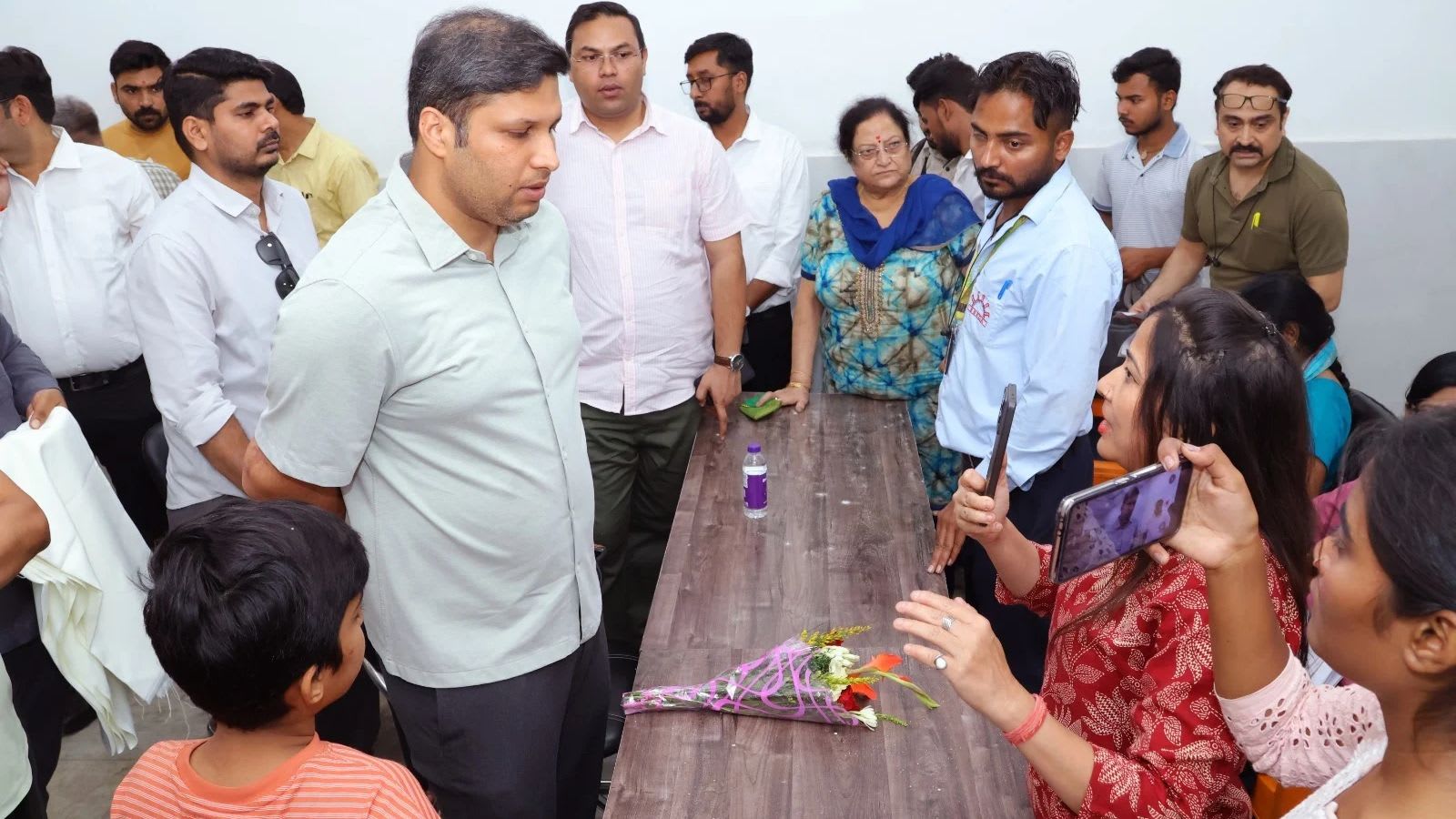
Uttar Pradesh has published a draft electoral roll showing an increase of 1.88 million voters ahead of the 2027 assembly elections. The update comes amidst political debate regarding previous voter exclusions.
Uttar Pradesh Electoral Roll Update: A Comprehensive Analysis
The Latest Electoral Shift
Uttar Pradesh has officially released a draft electoral roll as part of a Special Summary Revision (SSR), revealing a net addition of 1.88 million voters. This update brings the state's total electorate to approximately 135.9 million (13.59 crore). The data, presented by Chief Electoral Officer Navdeep Rinwa, highlights a significant demographic shift, with nearly 1.1 million of the new registrants being women. This revision process is a critical precursor to the 2027 state assembly elections, serving as a foundational document for voter participation.
Regional Growth Trends
Local data reveals distinct patterns in voter registration across high-density districts. Ghaziabad has seen a notable surge, adding 61,235 new electors to the rolls. Meanwhile, Gautam Buddha Nagar district recorded an increase of 22,346 voters, with 6,041 of those coming specifically from the Noida area. These figures reflect the ongoing urban migration and demographic growth within the National Capital Region (NCR) of Uttar Pradesh, which continues to be a focal point for electoral administrative efforts.
Political Context and Controversy
The publication of these rolls follows heightened political discourse surrounding the integrity of the voter registration process. Uttar Pradesh Chief Minister Yogi Adityanath recently alleged that 1.27 crore Hindu voters were excluded from the rolls during the previous Special Intensive Revision (SIR) that concluded earlier this year. The Opposition has contested these claims, demanding transparency and official sources for such figures. This tension underscores the high stakes associated with electoral rolls in one of India's most politically significant states.
Historical and Administrative Context
While the current draft shows a growth of 1.88 million, it is important to place this in a broader historical timeline. The current electorate of 135.9 million remains approximately 18.5 million smaller than the 154.4 million voters recorded prior to the Election Commission of India (ECI) undertaking a massive, intensive revision process. The discrepancy between historical highs and the current draft reflects the ECI's ongoing efforts to clean and update the rolls, a process that is often met with political scrutiny.
Implications for the 2027 Assembly Elections
As Uttar Pradesh prepares for the 2027 assembly elections, the accuracy and inclusivity of the electoral roll remain paramount. The ECI’s commitment to the Special Summary Revision process is designed to ensure that eligible citizens are not disenfranchised while maintaining the sanctity of the voter list. The inclusion of nearly 1.1 million women in this latest draft is a positive indicator for gender-inclusive democratic participation. However, the political friction between the ruling party and the opposition regarding voter exclusion suggests that the electoral roll will continue to be a central theme in the run-up to the polls.
Future Outlook
Moving forward, the Election Commission will likely continue to face pressure to balance administrative efficiency with political demands for total coverage. As the state moves closer to the 2027 election date, the finalization of these rolls will be a litmus test for the ECI’s administrative capabilities. Stakeholders will be closely monitoring subsequent updates to see if the gap between historical voter counts and current rolls continues to narrow, potentially influencing the campaign strategies of all major political parties in the state.