Why a UP minister has backed ‘encounter’ of accused if they do not surrender
Source Entity
Maulshree Seth
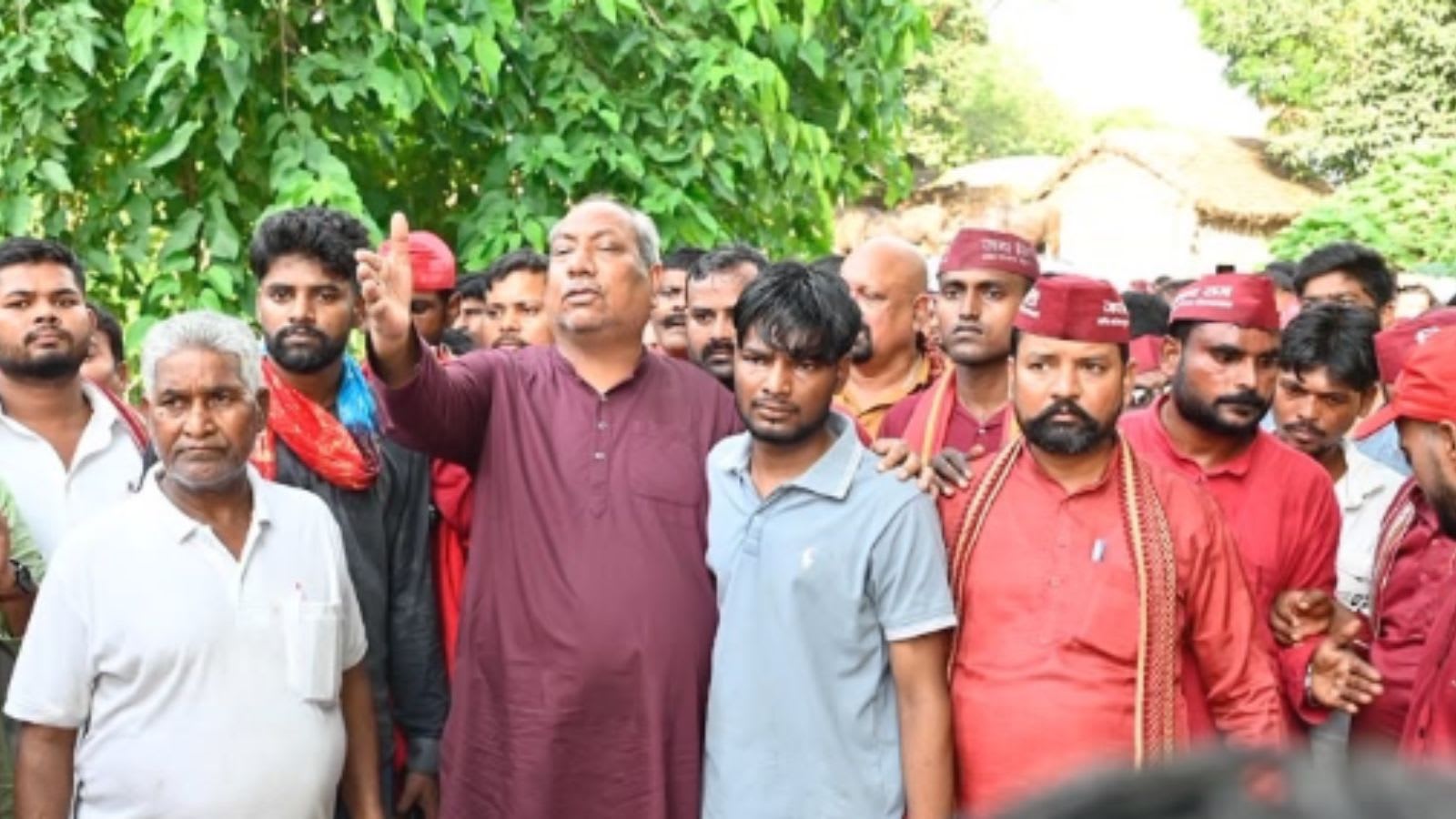
A UP minister has sparked controversy by demanding 'encounters' and the demolition of properties belonging to suspects in a communalized murder case. The incident highlights rising political tensions and caste-based friction ahead of the upcoming state Assembly elections.
Political Unrest in Gonda: A Call for Extrajudicial Measures
The recent death of a trader in Uttar Pradesh’s Gonda district following a dispute over social media posts has transcended a localized criminal incident, evolving into a volatile political controversy. The victim, a member of the Nishad community, succumbed to his injuries, triggering immediate outrage. This situation has been further inflamed by the involvement of Sanjay Nishad, a minister and BJP ally, who has publicly criticized the state government’s handling of the case, thereby creating a rare instance of internal political friction within the ruling coalition.
The Intersection of Caste and Crime
At the heart of the outcry is the perceived caste-based motivation of the crime. With the three arrested suspects identified as belonging to an 'upper caste' background, the incident has reignited long-standing social tensions in the region. Minister Nishad’s decision to lead a protest against his own government suggests a strategic pivot to consolidate his community's support base. By framing the tragedy as a failure of justice for the Nishad community, he is effectively using the platform to address broader grievances regarding social equity and protection under the current administrative framework.
The Rhetoric of ‘Encounters’ and Bulldozer Justice
Minister Nishad’s demand that the police conduct 'encounters' against absconding suspects and bulldoze their unauthorized property represents a significant escalation in political discourse. This rhetoric mirrors the populist 'tough on crime' narrative that has gained traction in Uttar Pradesh over recent years. By explicitly calling for extrajudicial actions, Nishad is challenging the standard legal process, reflecting a growing public impatience with the judicial system and a preference for immediate, visible punitive measures against those perceived as perpetrators.
Electoral Implications and Political Alignment
As Uttar Pradesh approaches its Assembly elections, every high-profile criminal case is scrutinized through the lens of electoral gain. The Opposition has seized upon the minister’s protest to highlight government fragility and the alleged failure of law and order. This convergence of interests—where a government minister and the Opposition find common ground in criticizing the administration—suggests that the incident will remain a potent talking point in upcoming political campaigns, potentially shifting voter loyalties based on caste-based political mobilization.
Broader Implications for Governance
The normalization of calls for 'encounters' and the destruction of property creates a complex precedent for the rule of law. When political figures advocate for circumventing due process to ensure 'justice,' it risks undermining the authority of the judiciary and the police. The Gonda incident serves as a microcosm of the challenges facing governance in a polarized environment where social media disputes can quickly escalate into violence, and political actors feel compelled to adopt extreme stances to satisfy their constituents' demand for swift retribution.
Conclusion: The Future of Political Accountability
Ultimately, the situation in Gonda illustrates the fragility of social harmony when criminal activity is viewed through the prism of caste identity. Whether this incident leads to specific policy changes or remains a rhetorical tool for electoral maneuvering, it underscores the intense pressure on the Uttar Pradesh government to balance law enforcement with the demands of its diverse political coalition. As the election cycle nears, the handling of this case will likely serve as a litmus test for the state's political stability and the endurance of its current governance model.