'MDR to boost UPI use in cross border payments': JP Morgan Global Payments co-head
Source Entity
MAYUR SHETTY
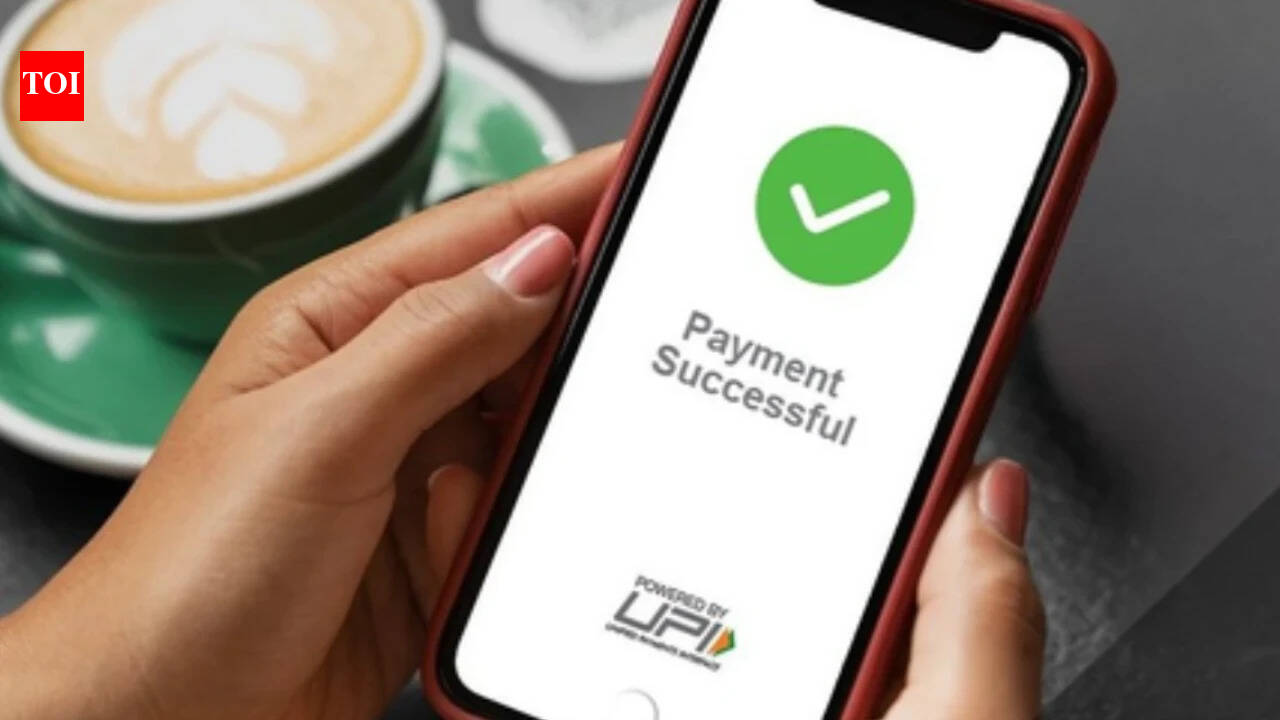
JP Morgan's Max Neukirchen suggests that implementing a Merchant Discount Rate (MDR) on UPI could incentivize intermediaries and accelerate its adoption for cross-border transactions. This shift would position UPI as a cost-effective alternative to traditional card and cash payment networks globally.
The Strategic Evolution of UPI in Global Finance
Recent insights from Max Neukirchen, co-head of JP Morgan Global Payments, suggest a pivotal shift in the trajectory of India’s Unified Payments Interface (UPI). While UPI has revolutionized domestic digital payments, the discourse is now moving toward its potential as a global standard. Neukirchen posits that the introduction of a Merchant Discount Rate (MDR) on person-to-merchant (P2M) UPI transactions could serve as the catalyst for this international expansion.
The Role of MDR in Ecosystem Growth
Historically, UPI has thrived on a zero-MDR model, which prioritized mass adoption and rapid digitization of the Indian economy. However, as the platform eyes cross-border utility, the absence of fees may limit the incentive for intermediaries—such as banks, fintechs, and acquiring partners—to invest in the complex infrastructure required for international settlements. By introducing an MDR, the system could provide the necessary financial viability to attract global players, effectively turning UPI into a commercially sustainable product for international merchants.
UPI as a Competitive Alternative
One of the most compelling arguments for the internationalization of UPI is its cost-efficiency. Compared to legacy card networks and cash-handling processes, UPI offers a leaner, faster, and more transparent architecture. Neukirchen suggests that for merchants operating across borders, UPI represents a viable alternative that reduces friction while maintaining lower transaction costs. This efficiency is crucial in a global market where businesses are constantly seeking to reduce processing overheads without sacrificing speed.
From Domestic Solution to Global Standard
Fast-payment systems like UPI were originally designed as domestic solutions to solve local liquidity and payment hurdles. Today, similar architectures have been deployed in dozens of countries, signaling a broader trend toward the modernization of payment rails. The next logical step, as noted by JP Morgan, is the integration of these disparate systems. A standardized, fee-based UPI framework could act as a bridge, facilitating seamless remittances and trade payments that bypass the traditional, high-fee correspondent banking models.
Future Trends and Market Implications
Looking ahead, the success of UPI on the global stage will depend on balancing accessibility with the incentives required for sustainable growth. If the introduction of MDR successfully incentivizes intermediaries, we can expect a rapid surge in cross-border adoption. This would not only benefit merchants by offering them a cheaper payment gateway but would also solidify India’s position as a leader in the global fintech landscape, setting the stage for UPI to become a standard for international, real-time retail payments.