Festive shopping to pinch as Iran war sets AC, TV prices on fire
Source Entity
AABHAS SHARMA
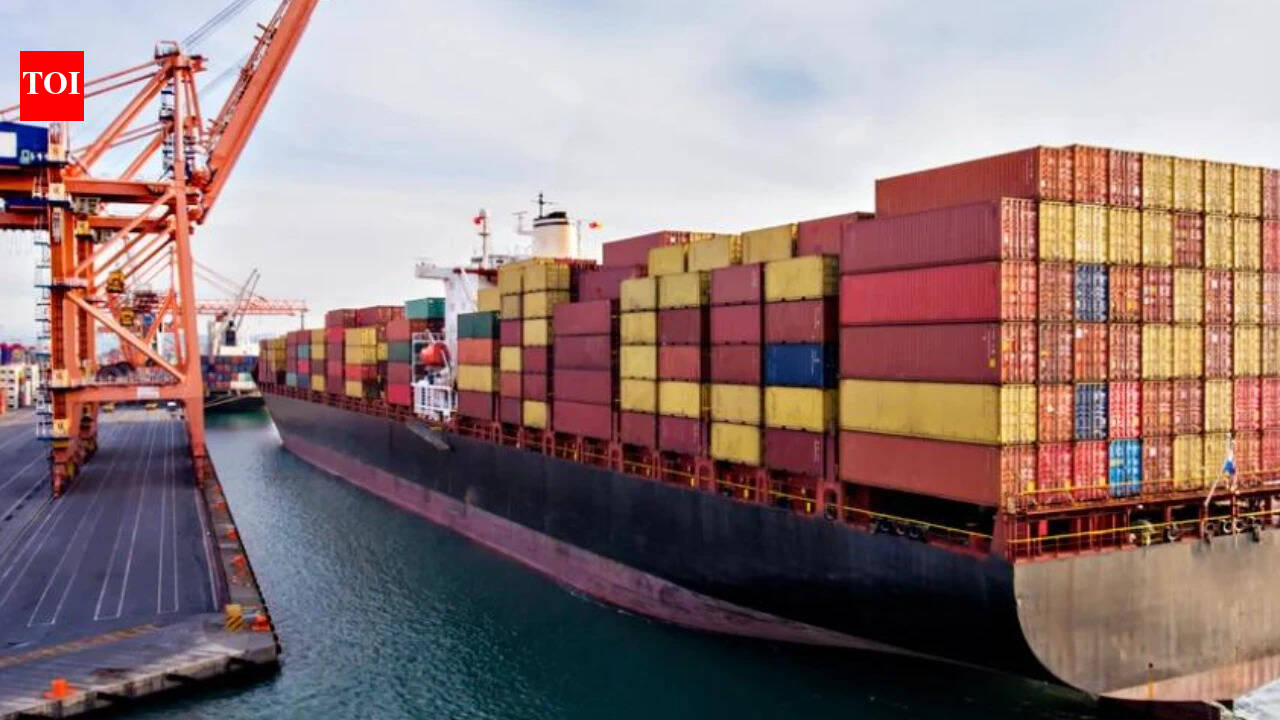
Consumer durable prices are rising as manufacturers increase costs for ACs, TVs, and appliances due to geopolitical tensions and supply chain constraints. Companies like Blue Star, Daikin, and Thomson are implementing hikes of 5-10% ahead of the peak festive season.
Impact of Geopolitical Instability on Consumer Electronics
The onset of the festive shopping season in India is facing a significant economic headwind as manufacturers of consumer durables—ranging from air-conditioners and refrigerators to LED televisions and washing machines—announce substantial price hikes. With industry leaders like Blue Star already implementing an 8% increase on AC units and brands like Thomson planning a 10% hike, consumers are bracing for a more expensive shopping experience. This trend is not isolated; major players including Daikin, Haier, and LG are either raising prices or preparing to do so, marking the third round of such hikes in 2026.
The Role of Geopolitical Tension and Commodity Costs
The primary driver behind these price adjustments is the volatility caused by the ongoing conflict involving Iran, which has sent shockwaves through global supply chains. As noted by industry experts, the surge in the cost of critical raw materials—namely copper, steel, aluminum, and crude oil derivatives—has directly eroded profit margins. Furthermore, the rising demand for copper in the rapidly expanding electric vehicle (EV) and data center sectors has created a supply-demand mismatch, further inflating costs that manufacturers are now passing on to the end consumer.
Logistics and Global Freight Challenges
Beyond raw material costs, the industry is grappling with significant logistical hurdles. Shipping delays and increased freight charges have compounded the financial pressure on appliance makers. These logistical bottlenecks are a direct consequence of the broader regional instability, which has disrupted maritime trade routes and increased insurance and transport costs. For manufacturers, these overheads are no longer sustainable to absorb, necessitating the price adjustments scheduled to take effect from October 1.
Market Dynamics and Consumer Sentiment
Despite the impending price hikes, the industry remains in a delicate position regarding consumer demand. While some brands like Intex Technologies are attempting to hold off on broad increases to keep products accessible during the festive window, others are moving forward with aggressive pricing strategies. There is a prevailing hope among some retailers that existing inventory purchased at older rates may offer a temporary buffer for price-sensitive buyers; however, the cumulative effect of these hikes is expected to be felt across the entire market by the end of the year.
Future Outlook and Economic Implications
Looking ahead, the consumer durable sector faces a period of continued uncertainty. The interplay between currency exchange volatility, sustained high commodity prices, and the unpredictable nature of global conflict suggests that the 'festive discount' culture may be muted this year. As companies struggle to balance volume sales with the need to protect margins, the market may see a shift in consumer behavior, with a potential move toward mid-range models or delayed purchase cycles as households navigate the higher cost of essential home appliances.